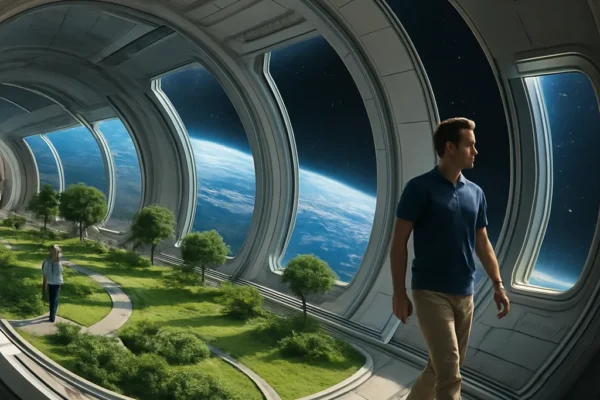
How Space Habitats Could Use Artificial Gravity

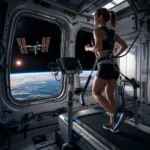
The quest to establish permanent human presence beyond Earth has driven researchers to explore creative solutions for mitigating the adverse effects of zero gravity. One promising approach involves the generation of artificial gravity through rotational motion. By simulating gravitational pull, rotating structures can address the physiological and psychological challenges faced by astronauts during extended stays…

Read Full News

How Space Exploration Is Funded Around the World

The journey from early satellites to interplanetary probes has been driven by a combination of ambition, technological prowess, and, above all, reliable funding. Understanding how space missions secure financial backing illuminates the complex tapestry of partnerships, policies, and priorities shaping humanity’s extraterrestrial ventures. This article explores the diverse mechanisms by which nations and organizations around…

Read Full News

How Space Exploration Influences Global Politics

The venture into outer space has not only fueled scientific discoveries but also reshaped international relations. As nations launch satellites, rovers, and human crews beyond Earth, the political landscape on the ground adapts to new alliances, competitions, and regulatory demands. Space exploration functions as a strategic domain influencing policy priorities, defense strategies, and economic partnerships….

Read Full News

How Space Agencies Plan for Deep Space Navigation

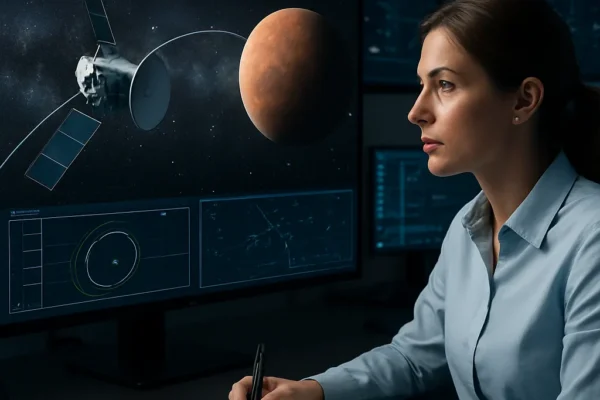
Navigating the vast expanse beyond Earth requires meticulous planning, cutting-edge technology, and a deep understanding of the cosmos. Space agencies blend physics, engineering, and computer science to chart precise courses for probes and crewed vehicles traveling millions of kilometers. From mastering celestial mechanics to ensuring reliable data links, each element plays a vital role in…

Read Full News

How Space Agencies Handle Astronaut Training

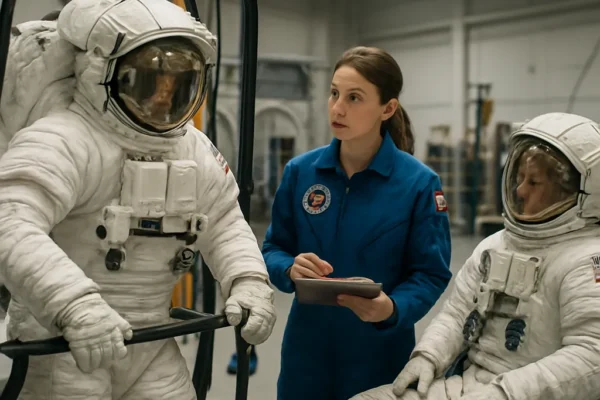
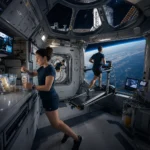
Becoming an astronaut involves more than a passion for discovery; it demands an unwavering commitment to training, physical endurance, and mental agility. As human spaceflight ventures further into the cosmos, space agencies meticulously design programs that transform candidates into mission-ready explorers. This article explores how leading organizations structure their astronaut preparation, blending advanced simulations, rigorous…

Read Full News

How Scientists Track Near-Earth Objects

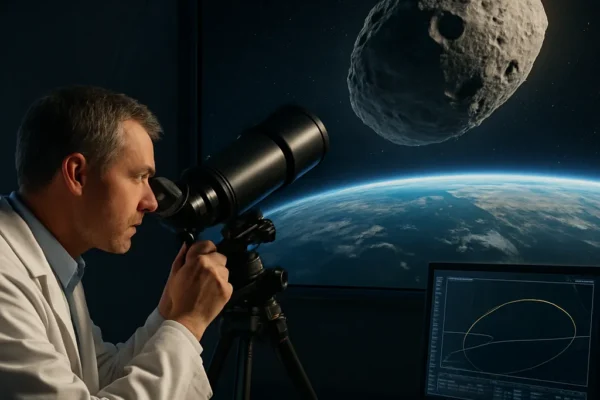
Near-Earth Objects represent a diverse population of comets and asteroids whose orbits bring them into close proximity with our planet. Tracking these bodies is vital to assess potential impact hazards and to unlock secrets about the formation of the solar system. Through a combination of ground-based facilities and spaceborne sensors, scientists have developed a multi-pronged…

Read Full News

How Scientists Study the Magnetic Field of the Sun

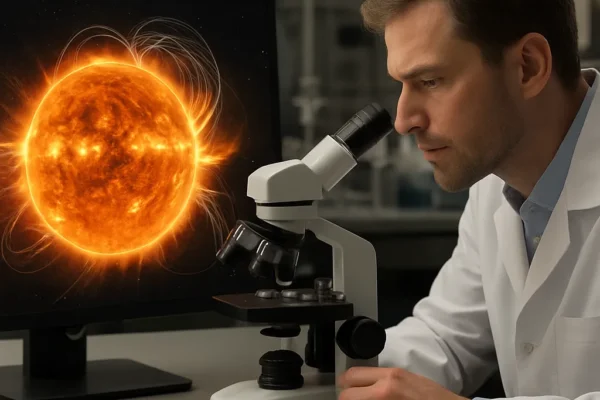
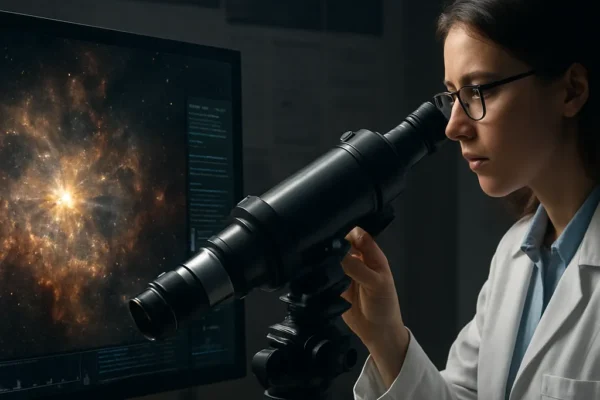
The magnetic environment of our nearest star, the Sun, shapes space weather and influences life on Earth. Scientists combine cutting-edge instruments, sophisticated models, and international collaborations to unravel the complex behavior of the magnetic field in the solar atmosphere. Understanding these processes offers insights into fundamental plasma physics, informs predictions of disruptive solar storms, and…

Read Full News

How Scientists Study Cosmic Radiation

The study of cosmic radiation reveals some of the most profound mysteries of our universe. By examining high-energy particles that constantly bombard Earth from outer space, scientists are able to explore fundamental processes in astrophysics, probe the behavior of matter under extreme conditions, and assess risks for future space missions. This article delves into the…

Read Full News

How Scientists Recreate Martian Conditions on Earth

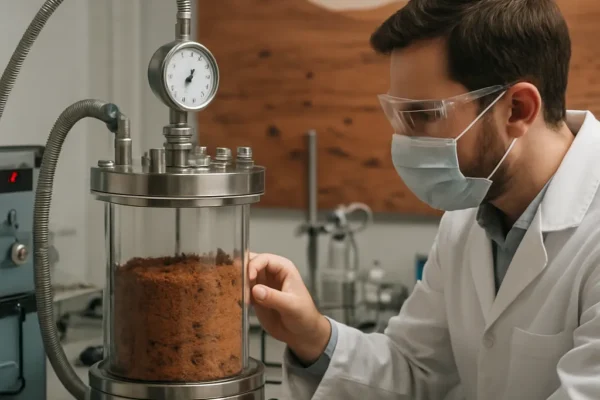
Recreating the Red Planet’s harsh environment in terrestrial laboratories requires a blend of cutting-edge technology, ingenuity, and meticulous attention to detail. Scientists worldwide strive to emulate Mars’s unique conditions to test equipment, study potential life forms, and prepare for future crewed missions. By simulating soil chemistry, atmospheric composition, and the relentless interplay of radiation and…

Read Full News