
Becoming an astronaut involves more than a passion for discovery; it demands an unwavering commitment to training, physical endurance, and mental agility. As human spaceflight ventures further into the cosmos, space agencies meticulously design programs that transform candidates into mission-ready explorers. This article explores how leading organizations structure their astronaut preparation, blending advanced simulations, rigorous fitness routines, and collaborative exercises to ensure every astronaut thrives in the unforgiving environment of space.
Candidate Selection and Foundational Preparation
Before embarking on any formal instruction, aspiring astronauts undergo a comprehensive selection process that assesses their technical expertise, psychological resilience, and interpersonal skills. Agencies like NASA, ESA, JAXA, Roscosmos, and CSA each maintain stringent criteria, typically requiring candidates to hold advanced degrees in science or engineering, demonstrate exemplary health records, and possess a proven track record of leadership.
Academic and Professional Requirements
- Educational Background: A master’s or doctorate in STEM fields ensures candidates grasp complex spacecraft systems and scientific objectives.
- Operational Experience: Pilots, engineers, and researchers with high-stakes fieldwork bring invaluable hands-on expertise.
- Language Proficiency: Fluency in English and, for International Space Station crews, Russian enhances cross-agency communication.
Psychological and Physical Screening
To evaluate mental fortitude, applicants face extensive psychological evaluations, assessing their capacity for stress management, teamwork, and adaptability. Simultaneously, rigorous medical tests gauge cardiovascular fitness, vision acuity, and musculoskeletal strength, ensuring each candidate can handle G-forces, extended confinement, and the microgravity environment.
Core Skill Development and Simulation Training
Following selection, astronauts engage in a multifaceted curriculum designed to cultivate essential competencies. Programs revolve around immersive simulation technologies, high-fidelity mockups, and real-world analog environments.
Spacecraft Systems and Operations
- Detailed study of life support, guidance, navigation, and communication systems.
- Hands-on practice with full-scale replicas of spacecraft cockpits, such as the Orion or Soyuz modules.
- Emergency drills covering depressurization, fire outbreaks, and systems failures.
Underwater Neutral Buoyancy and Zero Gravity Emulation
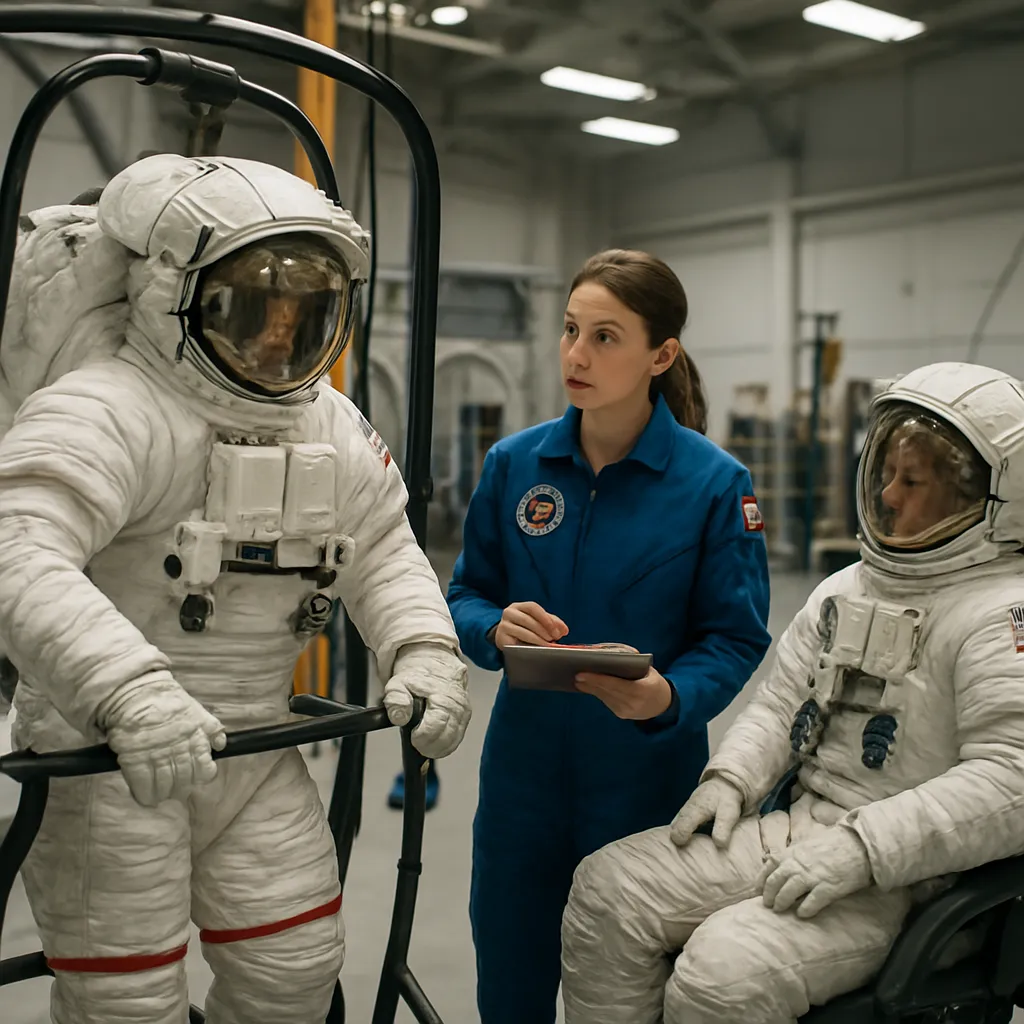
The Neutral Buoyancy Laboratory offers a large pool where astronauts perform Extravehicular Activity (EVA) rehearsals wearing full-scale suits. By simulating the microgravity of space, trainees learn to maneuver, handle tools, and carry out repairs on mock space station modules.
Virtual Reality and Robotic Interfaces
Advances in virtual reality allow for realistic mission scenarios, including docking procedures and planetary surface explorations. Meanwhile, robotics labs train astronauts in operating robotic arms, rovers, and experimental payloads—skills vital for station maintenance and future lunar or Martian missions.
Physical Fitness and Survival Training
Maintaining physical health is critical for body adaptation in microgravity and recovery after returning to Earth. Training regimens combine cardiovascular workouts, strength conditioning, and flexibility protocols tailored to individual needs.
Strength and Endurance Regimens
- High-intensity interval training (HIIT) to boost cardiovascular capacity.
- Resistance exercises simulating the load-bearing functions lost in space.
- Yoga and pilates to enhance flexibility and core stability, reducing injury risks during physical tasks in orbit.
Wilderness and Survival Camps
To prepare for potential off-course landings, astronauts undergo survival instruction in deserts, jungles, and arctic environments. These courses emphasize resilience, navigation with minimal equipment, and first-aid protocols, ensuring crews can endure until rescue arrives.
Team Dynamics and Leadership Exercises
Long-duration missions test interpersonal chemistry and collaborative problem-solving. Agencies incorporate team-based challenges designed to forge trust, effective communication, and adaptive leadership under pressure.
- Group expeditions in remote analog stations such as NASA’s HI-SEAS or ESA’s Concordia Station simulate isolation and confinement.
- Role-playing exercises introduce unexpected emergencies, requiring quick decision-making and collective strategy.
- Cross-cultural workshops prepare multinational crews to respect diverse working styles and values.
These experiences cultivate essential teamwork skills, enabling astronauts to support one another, share workloads, and maintain high morale during complex missions.
Mission-Specific and Ongoing Education
As space exploration evolves, each mission introduces unique objectives, from scientific experiments to technology demonstrations. Astronauts receive targeted instruction months before launch, focusing on payload operations, lunar surface construction, or deep-space navigation.
Scientific Experimentation and Payload Handling
Training modules cover experimental protocols in biology, materials science, and astronomy. Crews practice setting up free-flying laboratories, managing sample collection, and executing rigorous data-recording procedures to maximize research outcomes.
Lunar and Martian Surface Simulations
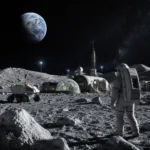
Preparing for Artemis and future Mars missions involves field tests in volcanic terrains and desert landscapes that mimic lunar regolith and Martian soils. Participants don prototype suits to assess mobility, tool usage, and habitat assembly.
Continuous Skill Refreshers
Even after deployment, astronauts receive real-time updates and virtual coaching. Ground teams monitor performance, adjust schedules for exercise and experiments, and deliver remote training to address evolving mission needs.
International Collaboration and Future Directions
Modern space endeavors rely on multinational partnerships to pool expertise and resources. Joint training camps bring together astronauts from various agencies, fostering interoperability and standardizing procedures across different spacecraft and stations.
Looking ahead, emerging programs aim to integrate artificial intelligence into training platforms, personalize physical regimens using biometric feedback, and expand analog habitats to simulate Martian caves or lunar lava tubes. By continuously refining their methods, space agencies ensure that every astronaut remains at the forefront of spacecraft navigation, extravehicular activities, and robotic operations—paving the way for humanity’s next giant leap.