

How Scientists Predict Solar Eclipses

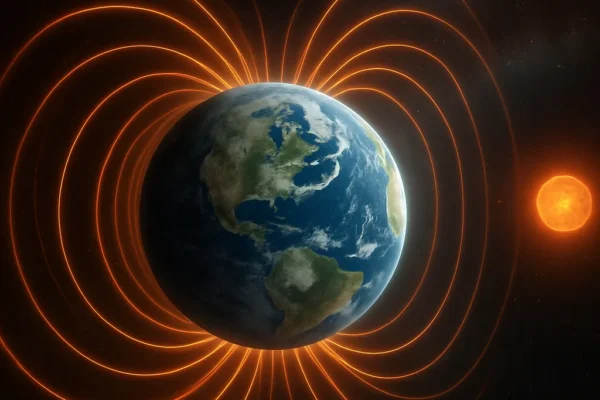
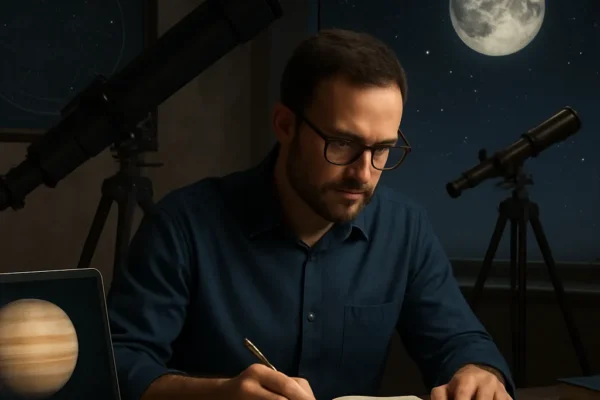
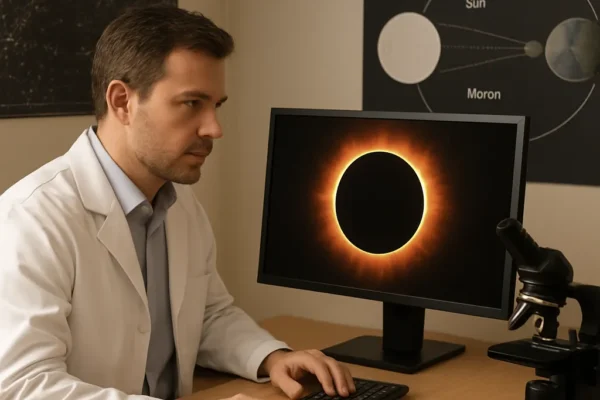
The shadow of the Moon sweeping across Earth has fascinated observers for millennia. Predicting when and where a solar eclipse will occur requires a blend of ancient wisdom, rigorous mathematical frameworks, and cutting-edge technology. By studying orbital whispers and cosmic alignments, astronomers can forecast these breathtaking events with astonishing accuracy. This article explores the journey…

Read Full News

How Scientists Detect Black Holes Without Seeing Them

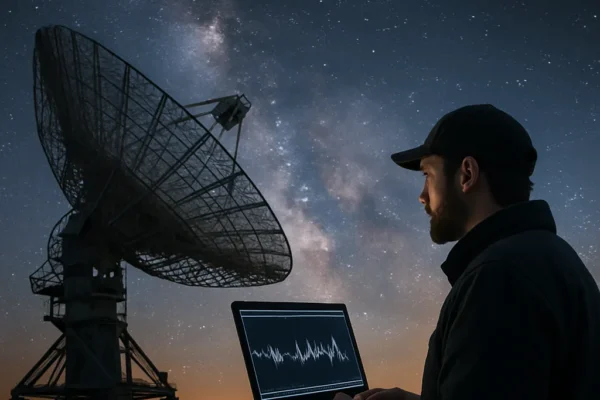
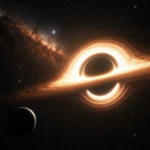
Invisible yet immensely powerful, the cosmic enigmas known as black holes challenge our understanding of the universe. Despite their name, these objects do not swallow light outright; instead, their intense gravity prevents even photons from escaping once they cross a critical boundary. Over the past century, astronomers have devised ingenious methods to reveal these hidden…

Read Full News

How Robots Explore Asteroids and Comets

Exploring small bodies like asteroids and comets demands precision, resilience, and innovation. Robotic explorers have become indispensable tools for unlocking the secrets of these ancient remnants of the Solar System. From the earliest flybys to complex sample-return missions, each endeavor pushes the boundaries of engineering and science. This article examines how these automated explorers navigate,…

Read Full News

How Interstellar Objects Like ‘Oumuamua Challenge Science

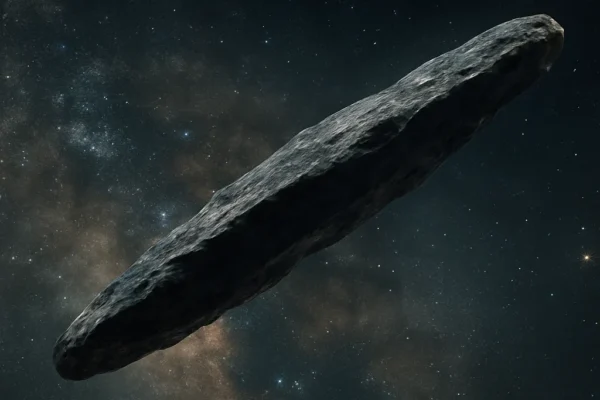
Since the landmark discovery of ‘Oumuamua in 2017, astronomers have been forced to rethink many assumptions about our celestial neighborhood. This elongated object, originating from beyond the Solar System, has ignited heated debates about the nature of interstellar visitors, challenged existing models of planetary formation, and compelled researchers to refine observational techniques. As the first…

Read Full News