Space Facts

Space Facts

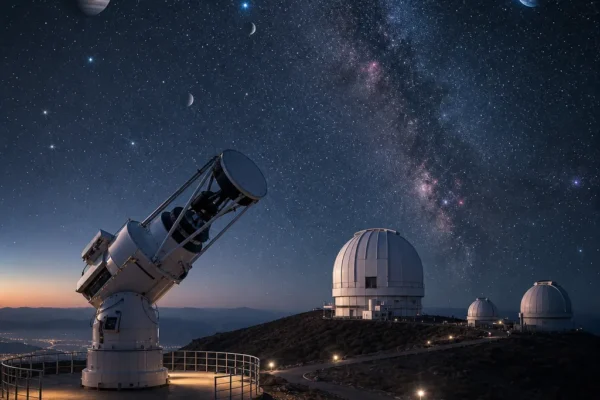
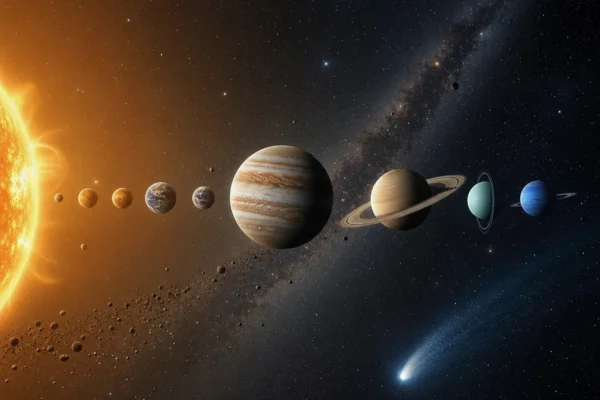
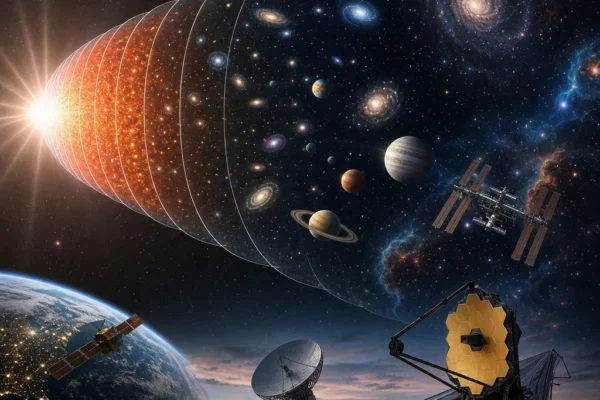
Space is not empty, silent nothingness. It is a dynamic environment filled with stars, planets, gas, dust, radiation, magnetic fields, and expanding structure on scales almost beyond intuition. Some space facts are simple and well established, such as the Earth orbiting the Sun, while others come from careful inference using telescopes, spacecraft, spectroscopy, and physics….

Read More

The Role of Chemistry in Planetary Exploration

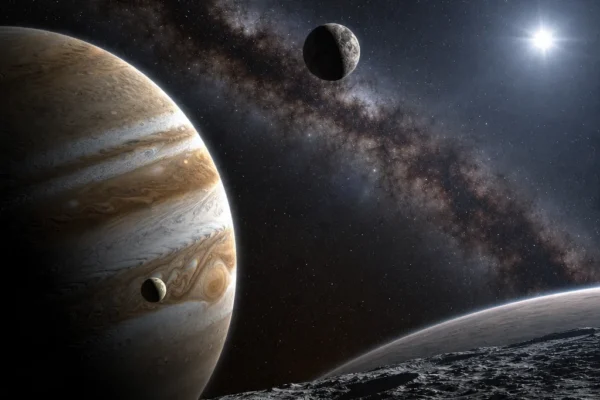
Planetary exploration represents one of the most thrilling frontiers of modern science, where chemistry plays a vital role in unraveling the mysteries of distant worlds. By combining analytical methods, cutting-edge instrumentation, and theoretical models, researchers decode the composition of atmospheres, surfaces, and interiors of planets, moons, and small bodies. Chemical insights guide mission planning, instrument…

Read More

How Astronomers Name Stars and Planets

Astronomers have long relied on a blend of tradition, systematic rules, and community consensus to assign names to the countless stars and planets scattered across the cosmos. Each designation carries with it a story of discovery, cataloging, or cultural significance. Understanding how these names come about reveals the care taken to maintain a consistent and…

Read More