
How Scientists Track Near-Earth Objects

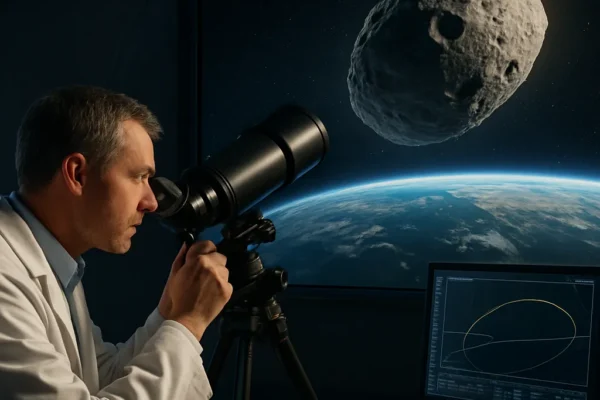
Near-Earth Objects represent a diverse population of comets and asteroids whose orbits bring them into close proximity with our planet. Tracking these bodies is vital to assess potential impact hazards and to unlock secrets about the formation of the solar system. Through a combination of ground-based facilities and spaceborne sensors, scientists have developed a multi-pronged…

Read More

How Scientists Study the Magnetic Field of the Sun

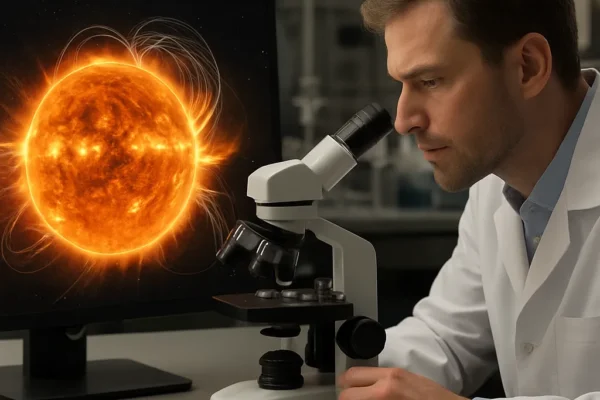
The magnetic environment of our nearest star, the Sun, shapes space weather and influences life on Earth. Scientists combine cutting-edge instruments, sophisticated models, and international collaborations to unravel the complex behavior of the magnetic field in the solar atmosphere. Understanding these processes offers insights into fundamental plasma physics, informs predictions of disruptive solar storms, and…

Read More

The Science of Space Navigation and Trajectory Planning

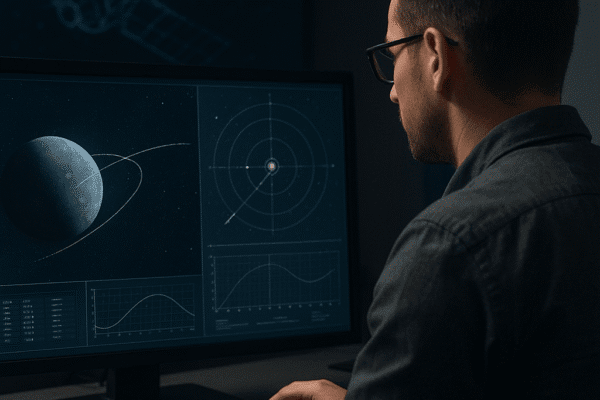
Exploring the vast expanse beyond our planet demands precise coordination of physics, mathematics, and engineering. Spacecraft must follow meticulously calculated paths to reach distant targets, avoid hazards, and accomplish scientific objectives. The Science of Space Navigation and Trajectory Planning blends centuries-old observations with cutting-edge computing to guide missions from low Earth orbit to the outer…

Read More

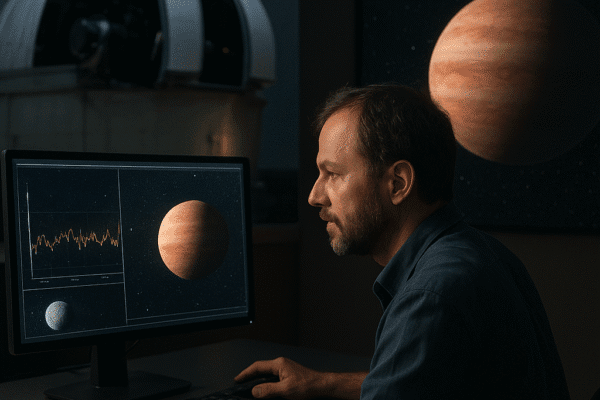
Discovering Exoplanets: How Scientists Find New Worlds

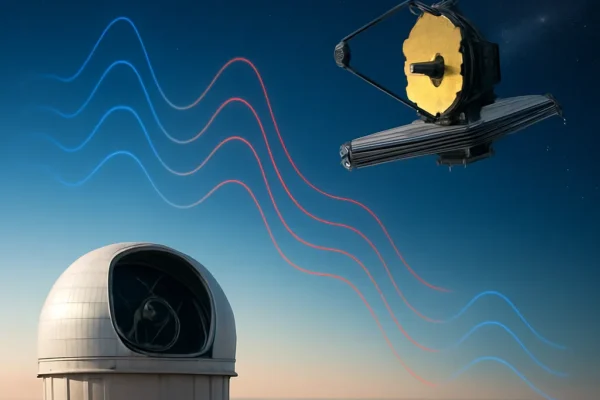
The quest to uncover distant worlds beyond our Solar System has captivated astronomers and enthusiasts alike for decades. With each new discovery, we gain a deeper understanding of the Universe and the processes that govern planetary formation, evolution, and potential for hosting life. Leveraging cutting-edge technology, innovative analysis, and international collaboration, scientists have successfully identified…

Read More