What Is Space?

What Is Space?

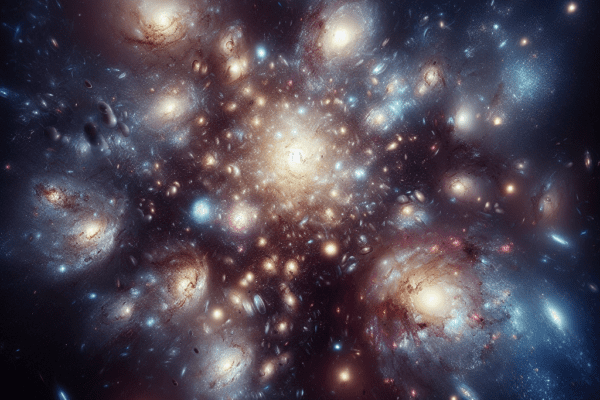
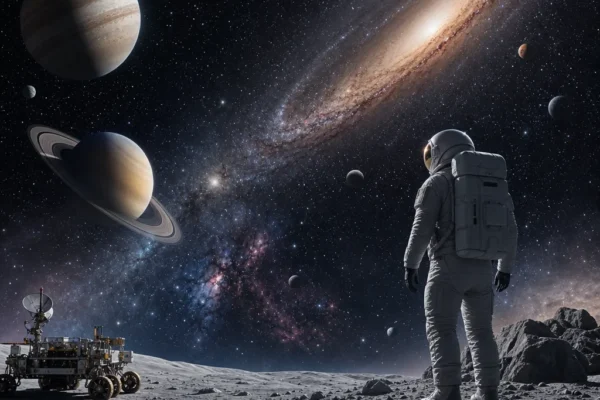
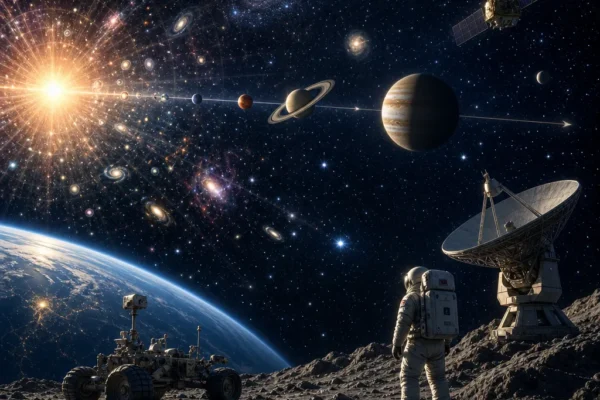
Space is the vast physical realm beyond Earth’s atmosphere, but in science it is more than “empty nothingness.” It contains matter, radiation, magnetic fields, and the structure of spacetime itself. Space begins gradually rather than at a perfectly sharp boundary, and on the largest scales it includes everything from the region around Earth to galaxies,…
Read More
How Old Is the Universe?

How Old Is the Universe?

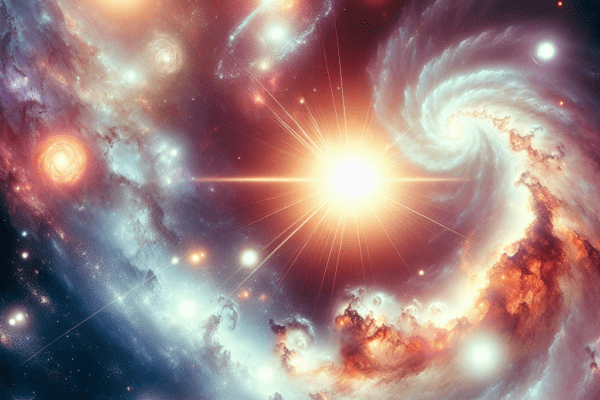
The best current estimate is that the universe is about 13.8 billion years old. More precisely, modern cosmology places its age at roughly 13.8 billion years based on measurements of how fast space is expanding and what the early universe looked like. This number does not come from a single clock, but from several independent…

Read More

The Physics Behind Gravitational Lensing

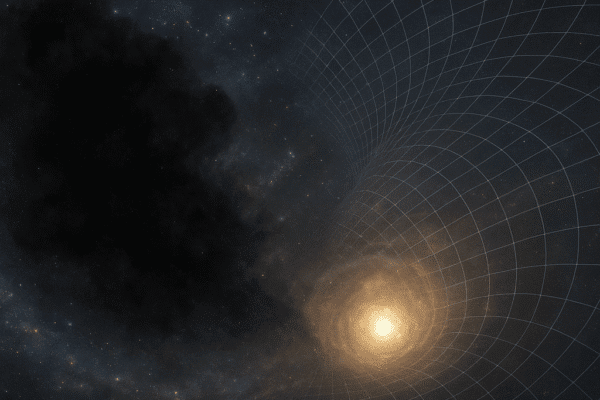
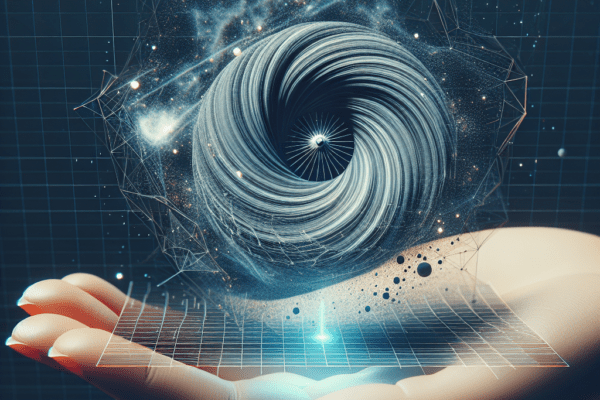
Gravitational lensing arises when massive objects cause a curvature in spacetime, deflecting light from distant sources. This phenomenon, predicted by Einstein’s theory of General Relativity, has become one of the most powerful tools in cosmology and astrophysics. By studying these cosmic distortions, astronomers can map the distribution of dark matter, magnify faint galaxies, and probe…

Read More

The Secrets Hidden in Cosmic Microwave Background Radiation

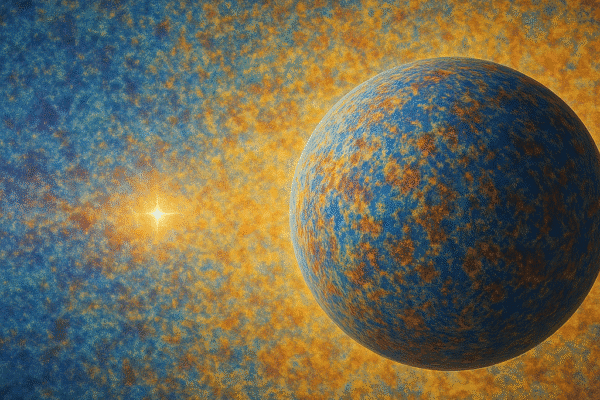
The cosmic microwave background (CMB) radiation offers an unparalleled window into the infancy of our Universe. Generated roughly 380,000 years after the Big Bang, this faint glow permeates every direction of space. By studying its subtle variations in temperature and polarization, scientists have unlocked clues about the inflationary epoch, the distribution of dark matter, and…

Read More
Mapping Dark Matter with Gravitational Lensing

Mapping Dark Matter with Gravitational Lensing

Mapping dark matter with gravitational lensing is a groundbreaking approach that has revolutionized our understanding of the universe’s most elusive component. Dark matter, which does not emit, absorb, or reflect light, remains invisible to traditional telescopes. However, its presence can be inferred through its gravitational effects on visible matter, radiation, and the large-scale structure of…

Read More