

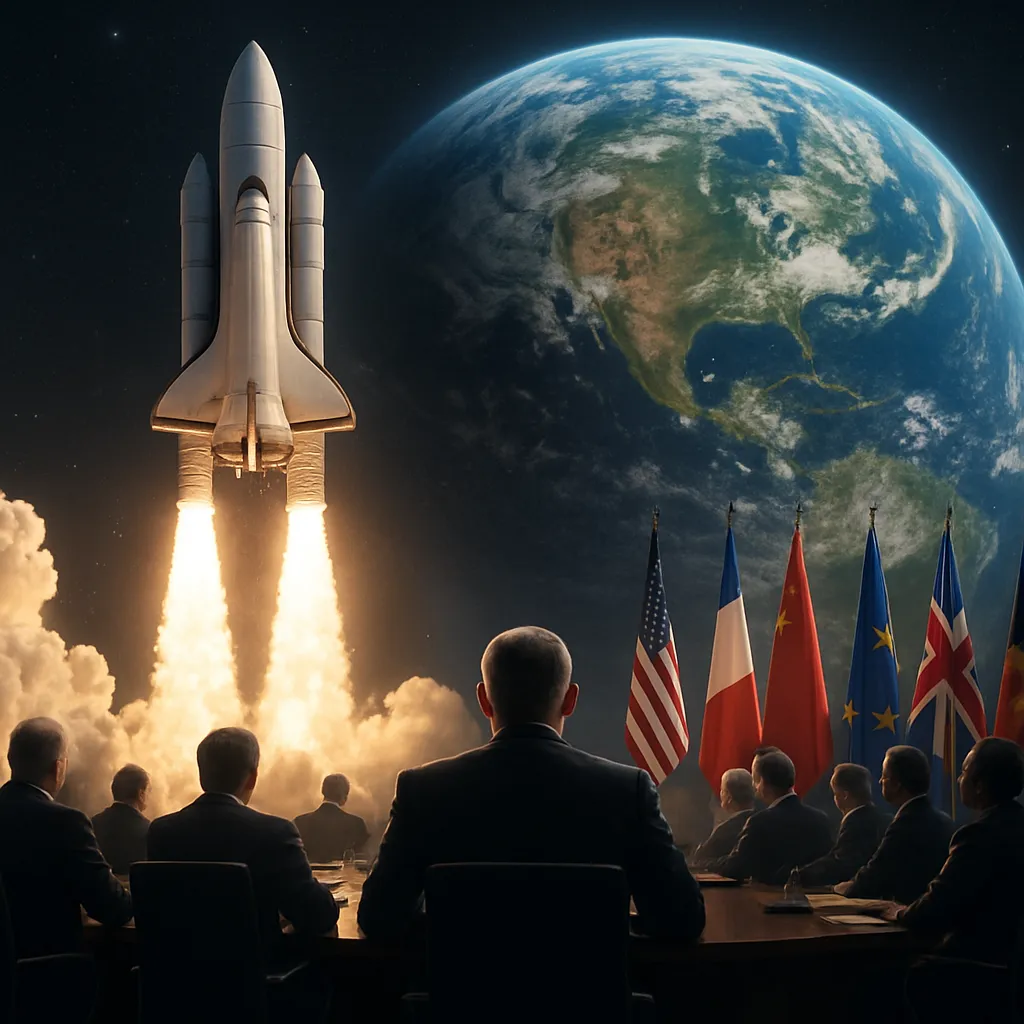
The venture into outer space has not only fueled scientific discoveries but also reshaped international relations. As nations launch satellites, rovers, and human crews beyond Earth, the political landscape on the ground adapts to new alliances, competitions, and regulatory demands. Space exploration functions as a strategic domain influencing policy priorities, defense strategies, and economic partnerships. By examining key facets such as strategic imperatives, diplomatic cooperation, resource competition, and governance challenges, this article unveils how cosmic endeavors drive global politics into uncharted orbits.
The Strategic Imperative of Space Exploration
National leaders view space as the ultimate frontier for asserting sovereignty and technological prowess. Investment in space programs boosts domestic prestige and conveys military readiness. Launch vehicles, advanced satellites, and crewed missions demonstrate a country’s capacity to protect its interests, monitor potential adversaries, and project soft power across continents. Governments allocate billions in budgets to orbiters, space stations, and planetary probes, highlighting space as a vital component of modern defense strategy.
Beyond defense, commitments to space research drive innovation in materials science, propulsion, and telecommunications. Breakthroughs originally designed for interplanetary dust analysis have yielded spin-off applications in medicine and industry. The synergy between defense agencies and civilian space organizations accelerates development cycles and fosters public–private partnerships. These alliances reinforce a nation’s global standing by combining state funding with corporate agility, creating a dynamic ecosystem for innovation.
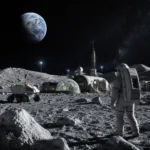
Geopolitical tensions manifest in the race for lunar bases and Martian outposts. As major powers outline their plans for lunar resource extraction and permanent habitats, alliances crystallize around shared or diverging objectives. Coalitions such as the Artemis Accords seek to establish common rules for lunar operations, while rival blocs pursue independent frameworks. This dynamic signifies a shift in how international law will adapt to the realities of off-world activity, with strategic implications for alliances on Earth.
Military doctrines now feature space as an operational domain on par with land, sea, and air. Anti-satellite tests, electronic warfare in orbit, and the deployment of space-based early warning systems underscore the emerging concept of space deterrence. While no full-scale conflict has erupted in orbit, the potential for disruption of critical assets has spurred emergency planning and bilateral talks aimed at preventing escalation. Space thus becomes both a shield and a potential flashpoint for international security.
Space Cooperation and Diplomatic Alliances
Multilateral projects like the International Space Station (ISS) embody the power of cooperation in transcending terrestrial disputes. Western, Russian, and Japanese modules coexist in microgravity, supporting research in biology, materials science, and human physiology. Such collaborations cultivate trust and establish channels for dialogue even when broader political relations sour. The steady operation of the ISS has buffered against interruptions that might otherwise arise from sanctions or diplomatic breakdowns.
Emerging spacefaring nations seek partners to develop indigenous capabilities. India’s collaboration with France on satellite launches, the United Arab Emirates’ ties with American aerospace firms, and China’s partnerships with Russia reveal a network of bilateral agreements tailored to national ambitions. These ties foster technology transfer, educational exchanges, and joint missions, weaving a complex web of interdependence. Diplomats leverage astronaut exchanges and shared payload launches as gestures of goodwill, reinforcing alliances beyond traditional trade or defense pacts.
Scientific diplomacy plays a key role in building trust among rival powers. Astrophysical observatories, deep-space networks, and planetary research centers operate under agreements that facilitate data sharing. Scientists from adversarial countries often collaborate on missions to the Moon, Mars, and beyond, forging professional relationships that can outlast shifts in political leadership. This track-two diplomacy in orbit complements formal treaties on arms control and non-proliferation.
Space cooperation also extends to regulating orbital traffic. As low-Earth orbit becomes increasingly crowded, states negotiate guidelines to mitigate debris, prevent collisions, and allocate radio frequencies. Forums like the United Nations Committee on the Peaceful Uses of Outer Space (UNCOPUOS) provide platforms for consensus-building. Successes in these arenas depend on sustained dialogue and goodwill, reinforcing the notion that space is a global commons requiring collective stewardship.
Resource Competition and Economic Stakes
The discovery of water ice at lunar poles and the presence of rare metals in asteroid belt objects have ignited discussions about extraterrestrial mining. Nations and private companies alike eye these resources as game-changers for both space infrastructure and terrestrial industries. Securing rights to extract and transport these materials fuels debates over property claims, revenue sharing, and environmental impact—debates that will shape the economic landscape of the 22nd century.
Resources such as helium-3, precious metals, and volatiles carry the promise of revolutionizing energy production and manufacturing. Companies propose autonomous mining platforms that can operate near the Moon or on near-Earth asteroids, sending extracts back to Earth or converting them in orbit for use by space stations. If realized, these ventures could reduce launch costs, expand in-space construction, and underwrite futuristic projects like solar power satellites.
However, competition for these assets risks igniting new rivalries. Nations without established space capabilities may feel excluded from the emerging space economy, fostering resentment and calls for more inclusive governance. Calls for a fair distribution of benefits echo historical debates over colonial resource extraction. Policymakers must navigate between incentivizing private investment and ensuring that the global community shares in the dividends of cosmic wealth.
The commercialization of space travel introduces additional economic drivers. Space tourism, microgravity manufacturing, and in-space research services represent budding industries that rely on clear regulatory frameworks. Trade agreements covering launch services, licensing, and liability shape the competitive dynamics among spaceports worldwide. As transit time to low-Earth orbit decreases, new hubs emerge from Europe to Asia, intensifying competition for talent and infrastructure.
Emerging Challenges to Space Governance
Existing treaties like the Outer Space Treaty of 1967 laid the groundwork for peaceful utilization, yet they offer limited guidance on contemporary issues. Questions around militarization, asteroid mining rights, and commercial exploitation remain unresolved. The absence of a binding enforcement mechanism complicates efforts to hold actors accountable for debris creation or hazardous activities. This regulatory gap spurs calls for modernized agreements that reflect technological progress.
Governance proposals range from establishing an international space authority to empowering regional blocs to negotiate specific mandates. Advocates stress the need for transparent compliance mechanisms, dispute resolution processes, and environmental safeguards to protect celestial bodies. Critics caution against overly centralized structures that may impede innovation and deter private-sector engagement. Striking the right balance will be critical to sustaining long-term stability.
Nonstate actors, including commercial ventures and academic institutions, play an increasingly influential role. Their activities can outpace diplomatic negotiations, creating de facto precedents that shape customary practice. Governments must therefore engage with industry leaders to ensure that evolving norms and standards align with broader public interests. Public–private forums, industry consortiums, and academic conferences have become testing grounds for norms before formal codification in treaties.
As nations articulate national space strategies, questions of sustainability and ethical conduct gain prominence. Efforts to mitigate orbital debris, limit contamination of other worlds, and preserve dark skies reflect a growing awareness of long-term responsibilities. Space policy now integrates environmental principles that echo terrestrial conservation efforts. Future agreements may embed obligations to conduct environmental impact assessments for off-world missions, underscoring the planet-scale stakes of cosmic exploration.