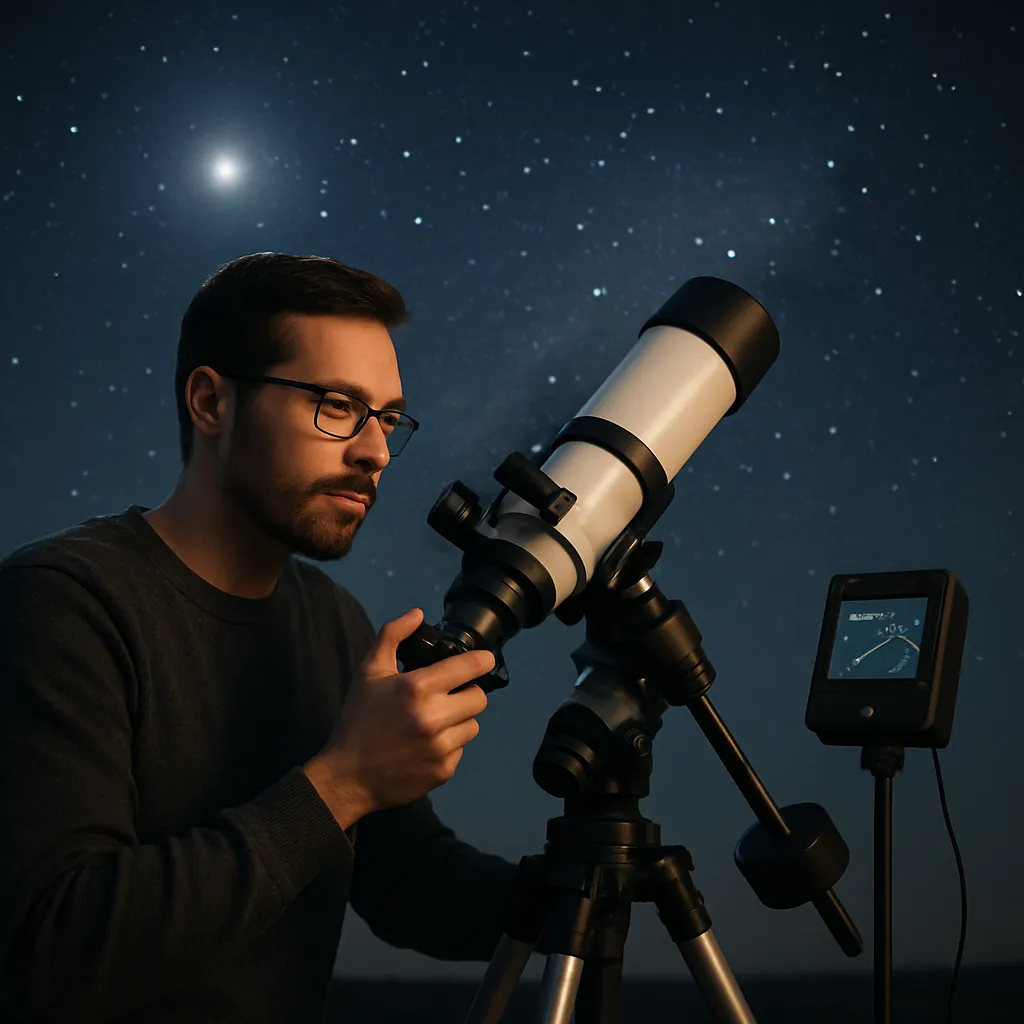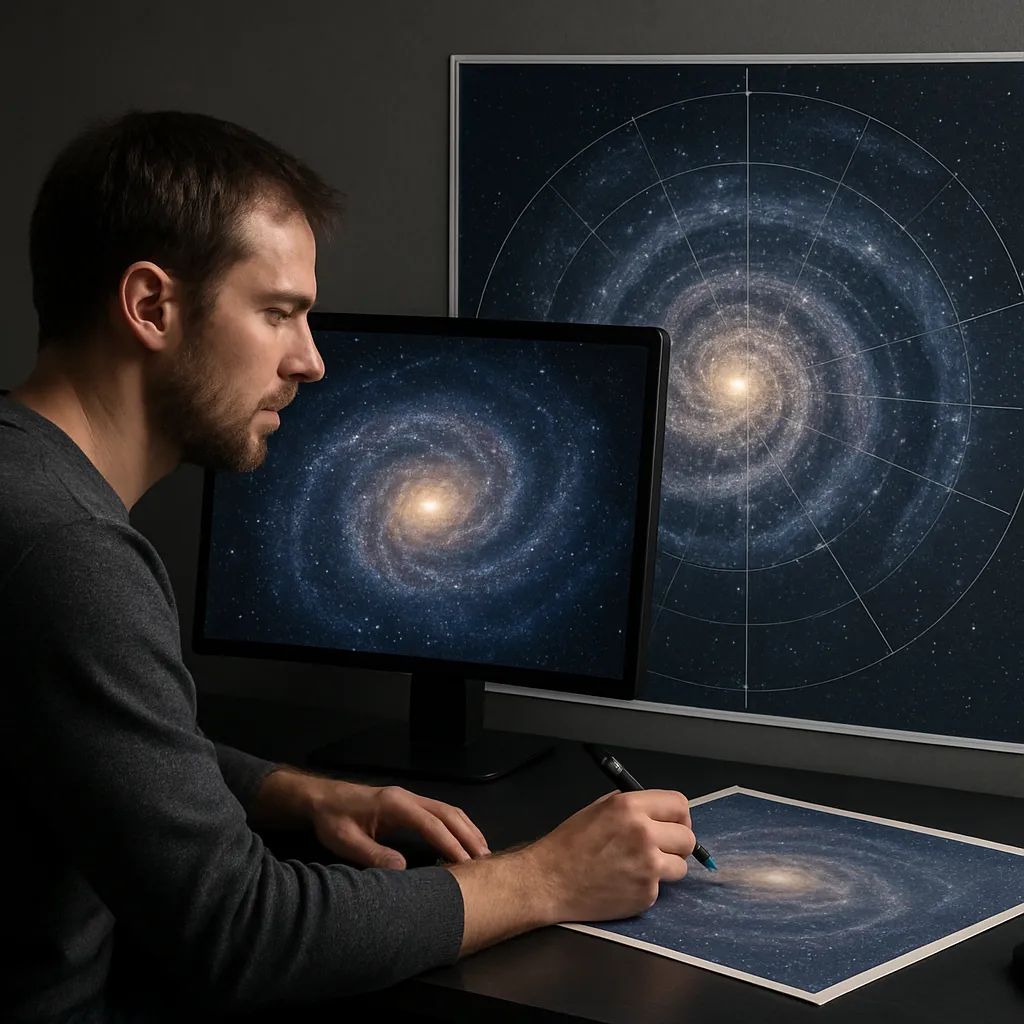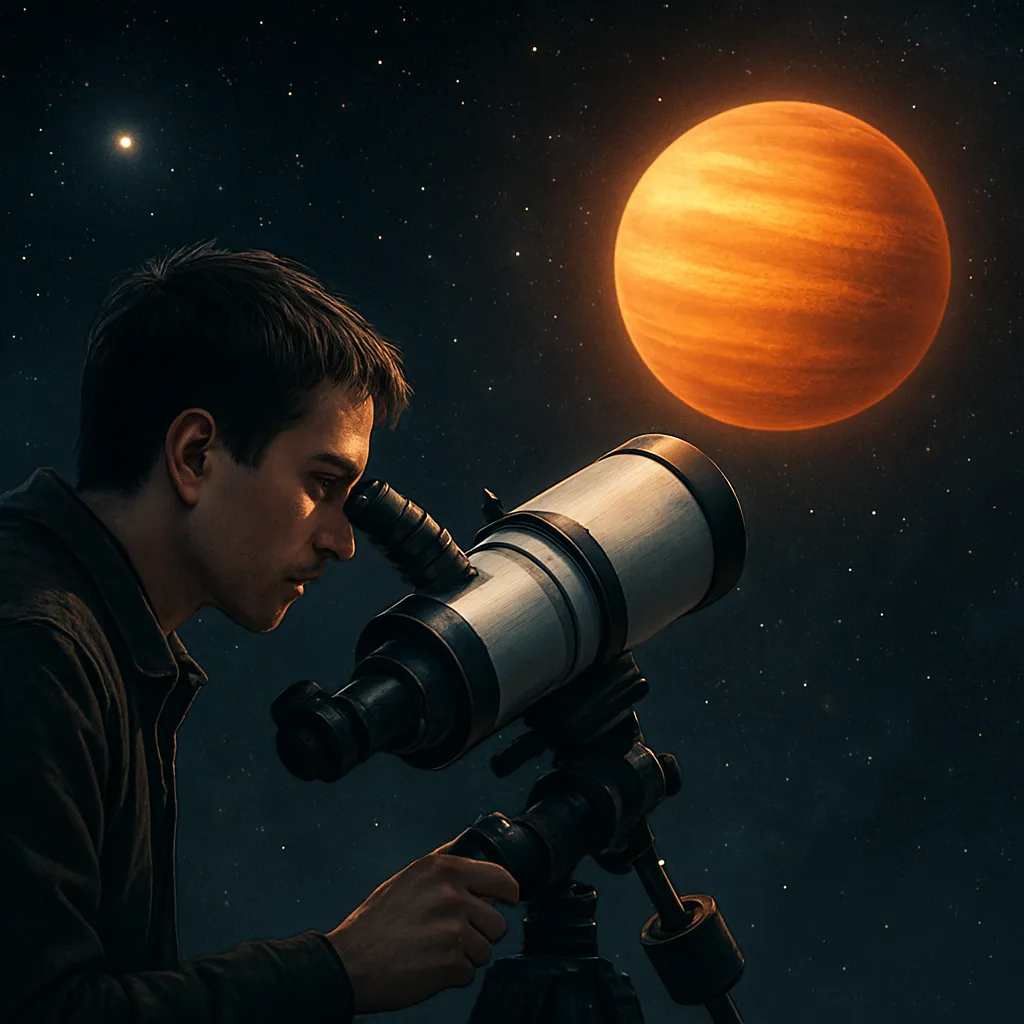



Exploring the vast expanse beyond our planet demands precise coordination of physics, mathematics, and engineering. Spacecraft must follow meticulously calculated paths to reach distant targets, avoid hazards, and accomplish scientific objectives. The Science of Space Navigation and Trajectory Planning blends centuries-old observations with cutting-edge computing to guide missions from low Earth orbit to the outer reaches of our solar system and beyond.
Understanding the Basics of Space Navigation
Celestial Mechanics and Early Exploration
The study of planetary motion began with Kepler and Newton, laying the groundwork for modern astrodynamics. Observers recorded the movements of stars and planets, enabling predictions of their future positions. This foundational science informs every decision when plotting a course through the cosmos. By understanding gravitational influences, mission designers harness natural forces rather than fighting them, achieving fuel-efficient trajectories.
Fundamental Principles of Motion
Every maneuver in space relies on Newton’s laws. A change in velocity, known as delta-v, directly affects orbital parameters. Effective navigation demands accounting for:
- Initial position and velocity vectors
- Gravitational pulls from celestial bodies
- Perturbations from solar radiation and atmospheric drag (in low orbits)
By modeling these factors, engineers predict how a spacecraft will drift over time, ensuring it arrives at the intended destination with optimal precision.
Orbital Mechanics and Trajectory Design
Orbit Types and Characteristics
Different missions require distinct orbits, each offering unique benefits:
- Low Earth Orbit (LEO) – ideal for Earth observation and communications
- Geostationary Orbit (GEO) – synchronizes with Earth’s rotation for constant coverage
- Polar and Sun-Synchronous Orbits – provide global scanning capability
- Transfer Ellipses – bridge between circular orbits, such as the Hohmann transfer
Engineers calculate required delta-v budgets to transition between these orbits, balancing mission goals with limited propulsion capacity.
Trajectory Planning and Gravity Assist
Deep-space missions often leverage the gravitational fields of planets for speed boosts. A well-timed flyby can reduce fuel consumption by altering velocity vectors through a maneuver called gravity assist. Key considerations include:
- Approach angle relative to the celestial body
- Periapsis altitude to avoid atmospheric interference
- Timing windows aligning with planetary positions
Advanced simulations integrate three-body dynamics—where the Sun, target planet, and spacecraft interact—to refine trajectories within tight tolerances.
Modern Technologies and Techniques
Autonomous Onboard Algorithms
Contemporary missions incorporate artificial intelligence to perform real-time course corrections. Autonomous guidance systems process sensor data, adjust attitude control, and execute mid-course maneuvers without ground intervention. Key features include:
- Star trackers and inertial measurement units for precise attitude determination
- Kalman filters to fuse data and estimate accurate state vectors
- Adaptive thruster scheduling optimizing propulsion usage
Such intelligent algorithms reduce communication delays and enhance mission resilience in unpredictable environments.
Ground-Based Tracking and Telemetry
Even with advanced autonomy, Earth-based facilities maintain oversight. Large antenna arrays monitor signal timing and Doppler shifts, inferring distance and velocity. Telemetry streams vital health data—temperature, power levels, and engine performance—allowing teams to validate models and update flight plans. The interplay between on-board systems and ground stations ensures the highest confidence in navigational accuracy.
Challenges and Future Directions
Interplanetary and Deep Space Navigation
As missions venture towards Mars, asteroids, and beyond, communication latency can exceed tens of minutes. Engineers develop robust fault-protection routines and enhanced optical navigation sensors, capable of autonomously tracking distant landmarks. Tools like starshades and laser ranging promise unprecedented positional accuracy, vital for rendezvous with small bodies or sample-return missions.
Quantum and Relativistic Considerations
Future navigation systems may harness quantum clocks, achieving nanosecond timekeeping to refine distance measurements. Relativistic corrections, once negligible in Earth orbit, become significant during high-speed departures and close solar passes. Incorporating general relativity into trajectory solvers ensures that even minute time dilation effects are accounted for in precise mission planning.
The Next Frontier
Innovations in electric propulsion, solar sails, and nuclear thermal engines will extend reachable regions of space. By combining advanced navigation techniques with next-generation propulsion systems, humanity can aspire to crewed missions to Mars, robotic explorers to the ice giants, and probes to interstellar space. Each success builds upon the delicate choreography of physics and cutting-edge technology, guiding us ever deeper into the universe.