
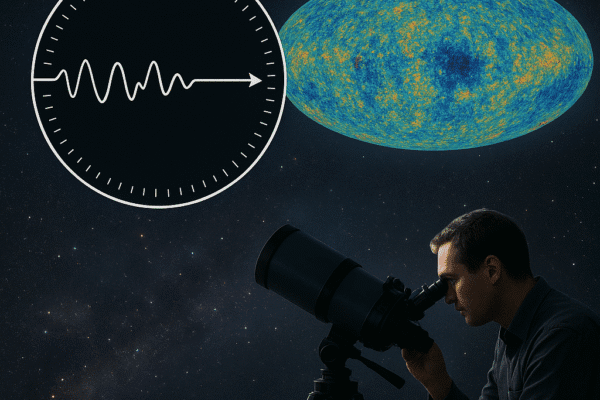
How Astronomers Measure the Age of the Universe

The pursuit to determine the universe’s age combines observational precision with theoretical insight. Astronomers rely on multiple independent techniques to cross-check results and refine their estimates. This article explores the primary methods used to piece together the timeline of cosmic history and understand how scientists arrive at a figure roughly 13.8 billion years. Observing the…
Read More

Discovering Exoplanets: How Scientists Find New Worlds

The quest to uncover distant worlds beyond our Solar System has captivated astronomers and enthusiasts alike for decades. With each new discovery, we gain a deeper understanding of the Universe and the processes that govern planetary formation, evolution, and potential for hosting life. Leveraging cutting-edge technology, innovative analysis, and international collaboration, scientists have successfully identified…

Read More
Mapping Dark Matter with Gravitational Lensing

Mapping Dark Matter with Gravitational Lensing

Mapping dark matter with gravitational lensing is a groundbreaking approach that has revolutionized our understanding of the universe’s most elusive component. Dark matter, which does not emit, absorb, or reflect light, remains invisible to traditional telescopes. However, its presence can be inferred through its gravitational effects on visible matter, radiation, and the large-scale structure of…

Read More