

The Fascinating World of Pulsars and Neutron Stars

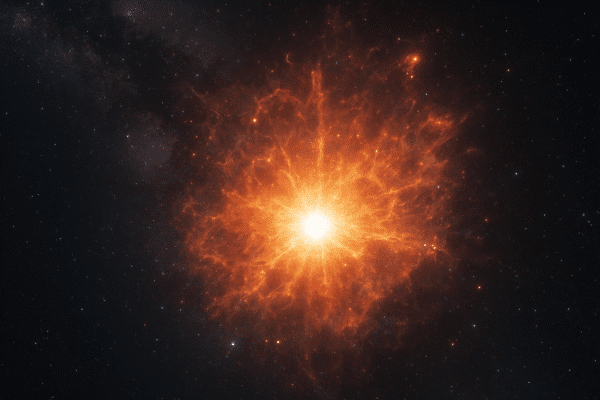
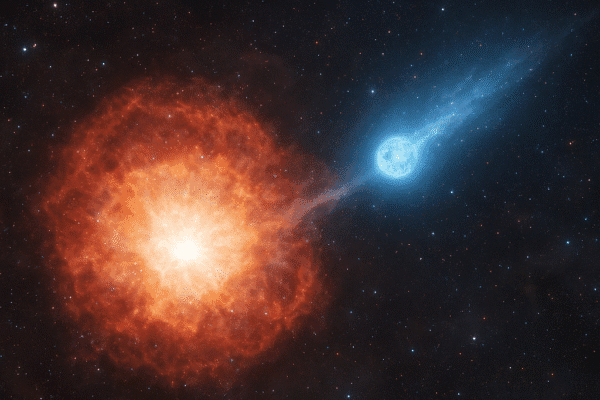
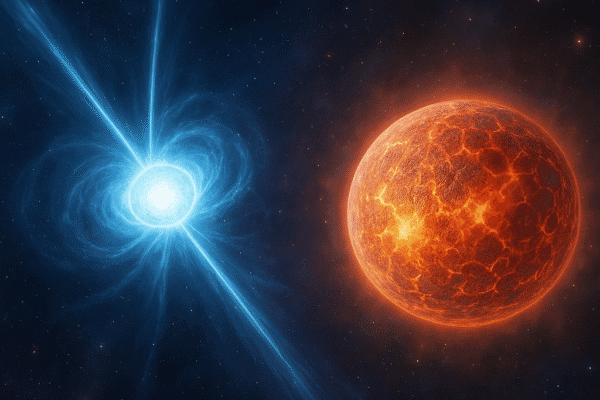
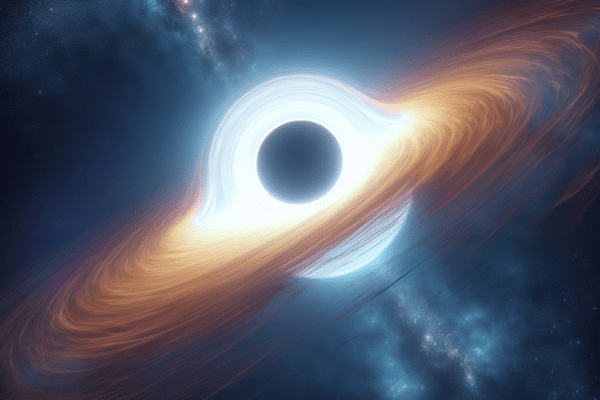
The cosmos is home to some of the most extraordinary objects ever observed. Among these, neutron stars and their rapidly spinning counterparts, pulsars, stand out as nature’s most compact and energetic laboratories. Born from cataclysmic supernova explosions, these remnants carry within them the blueprint of fundamental physics under the most extreme conditions. From the staggering…

Read More

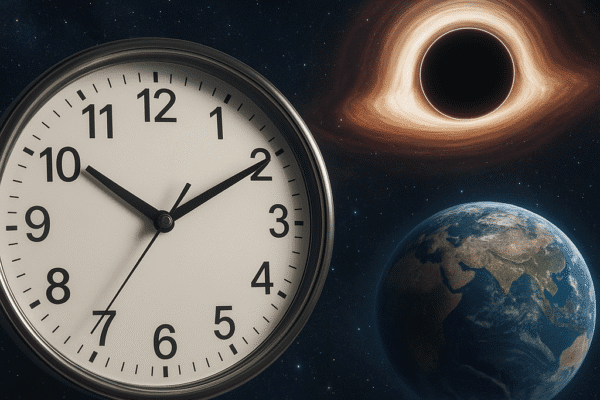
How Time Works Differently in Space

The nature of time shifts dramatically once humanity ventures beyond our planet. Far from a steady, universal metronome, time in space bends and stretches under the influence of massive bodies and rapid motion. Understanding these effects is essential for deep-space missions, satellite navigation, and fundamental physics research. This article delves into how time behaves differently…

Read More

How Scientists Simulate Zero Gravity on Earth

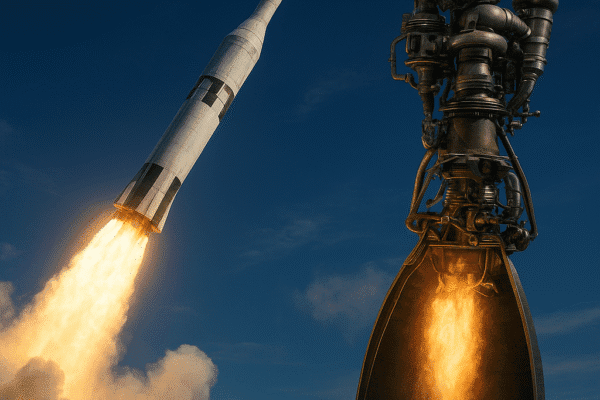
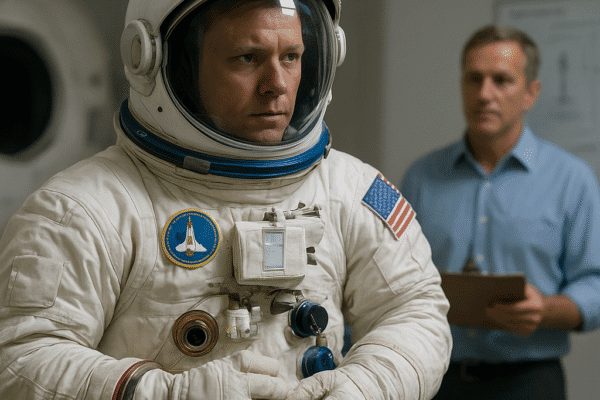
The quest to understand weightlessness has driven researchers to develop ingenious methods for **simulating** zero gravity on Earth. By mimicking space-like conditions, scientists can conduct critical **experiments**, train **astronauts**, and design **spacecraft** components without leaving our planet. This article explores a variety of terrestrial techniques—each harnessing unique principles of **physics**, **engineering**, and innovation—to create environments…

Read More

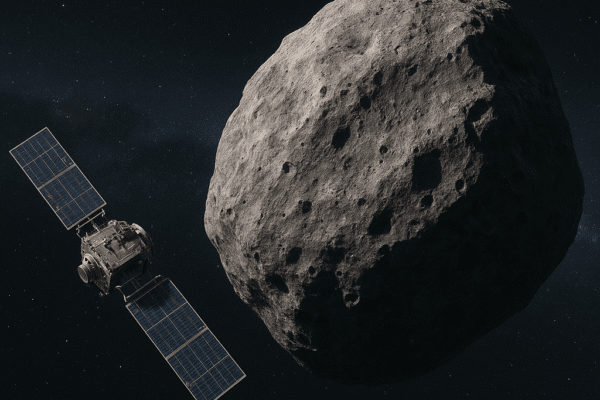
Could We Ever Capture an Asteroid?

The vision of capturing an asteroid and bringing it into Earth’s orbit has fueled both scientific inquiry and science fiction alike. As humanity pushes deeper into the cosmos, the idea of harnessing near-Earth objects for exploration, resources, and planetary defense becomes ever more enticing. However, this ambitious endeavor requires an intricate interplay of physics, cutting-edge…

Read More