

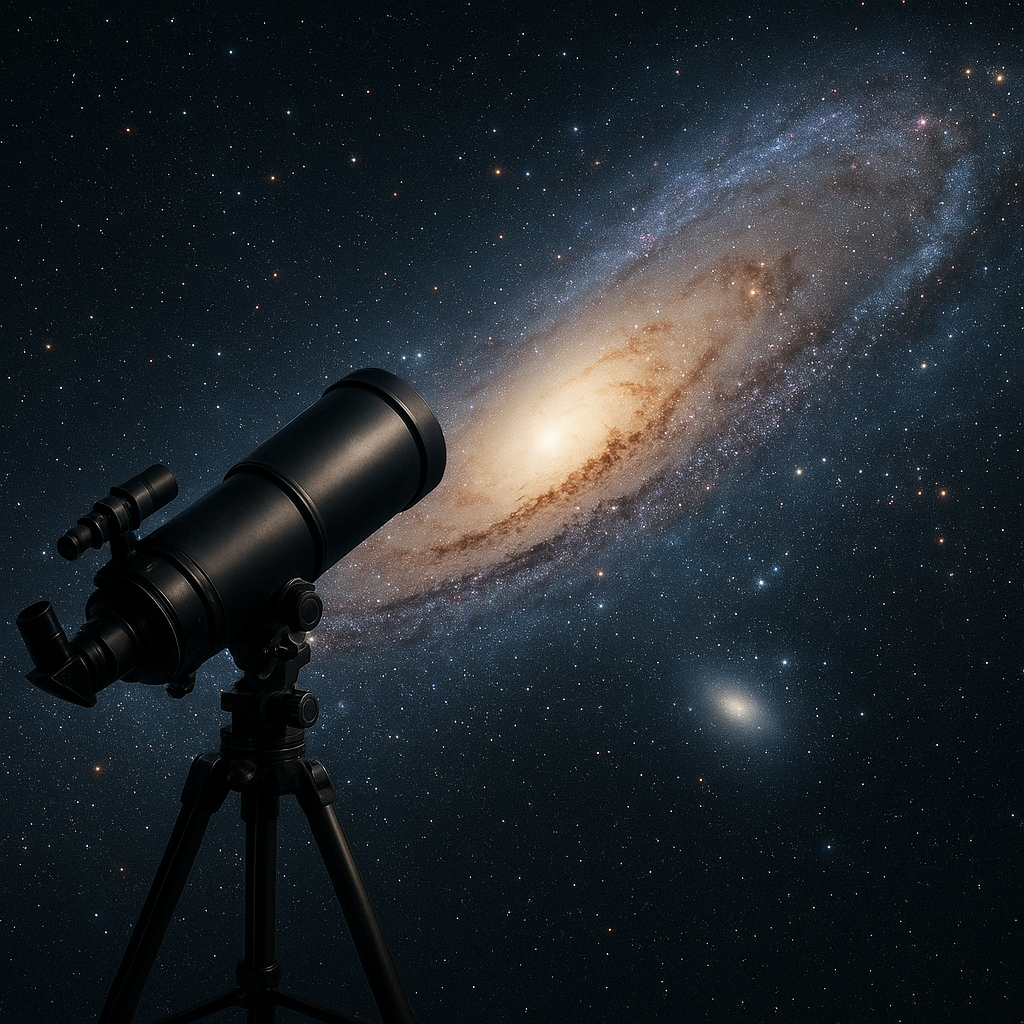
The exploration of the cosmos owes its most dramatic shifts in perspective to the advent of space photography. From grainy black-and-white snapshots captured by early rocket missions to the breathtaking, full-color panoramas beamed back by sophisticated space telescopes, each image has deepened our understanding of the universe and reshaped our sense of place within it. By studying light from distant stars, planets, and galaxies, scientists have pieced together the narrative of cosmic evolution, while the public has been captivated by the sheer beauty and scale of space. This article examines how space photography emerged, evolved, and continues to influence both science and culture.
The Dawn of Space Photography: From Earth to Orbit
Long before humanity could place a camera on the Moon, ground-based observatories and balloon-borne platforms laid the groundwork for modern space imaging. Early efforts to photograph the sky date back to the 19th century, when astronomers used glass plates to record star trails. However, atmospheric distortion limited the clarity of these images. The real breakthrough came with the post–World War II race to the stars. Rockets converted from military technology carried cameras above the bulk of Earth’s atmosphere, capturing clearer views of the Sun, Moon, and far-off cosmic objects.
- V-2 Rockets: In 1946, the United States launched a captured German V-2 rocket equipped with a 35mm camera, producing the first photographs from suborbital space.
- Pioneer Satellites: The late 1950s and early 1960s saw dedicated satellites like Pioneer 4 and Explorer 6, which delivered rudimentary images of the lunar surface and Earth’s curvature.
- Tilted Horizons: These pioneering snapshots opened public eyes to the globe’s fragility, planting the seed for the modern environmental movement.
By leaping above Earth’s weather and light pollution, these missions provided an unfiltered look at our world and the vast expanse beyond.
Technological Innovations That Transformed Imaging
Space photography advanced in tandem with developments in optics, electronics, and materials science. As technology progressed, so did the ability to gather light across multiple wavelengths, from ultraviolet to radio. Each new detector unlocked fresh insights into the composition and dynamics of celestial phenomena.
From Film to Digital Sensors
Original space cameras relied on photographic film, which required careful handling and return to Earth for development. The shift to electronic detectors like charge-coupled devices (CCDs) revolutionized data collection:
- Instant Readout: CCDs permitted immediate digital transmission of images, reducing risk and turnaround time.
- High Sensitivity: Electronic sensors detected fainter objects, revealing dim galaxies and nebulae.
- Multi-spectral Capability: Arrays of filters enabled simultaneous observations in different bands, crucial for understanding stellar processes.
Adaptive Optics and Interferometry
While ground telescopes adopted adaptive optics to counteract atmospheric turbulence, space instruments benefited from stable, vibration-free platforms. Interferometric techniques—combining signals from multiple telescopes—have pushed resolution to microarcsecond levels, akin to reading a newspaper in New York from London. These advances allowed scientists to map surfaces of exoplanets, track the orbits of stars around black holes, and detect the faint glow of the universe’s earliest structures.
Bridging the Gap: Exploratory Missions and Iconic Images
Over decades, an array of spacecraft has carried cameras that produced some of the most enduring images in history. Each mission has its own story of technical hurdles, political will, and scientific ambition.
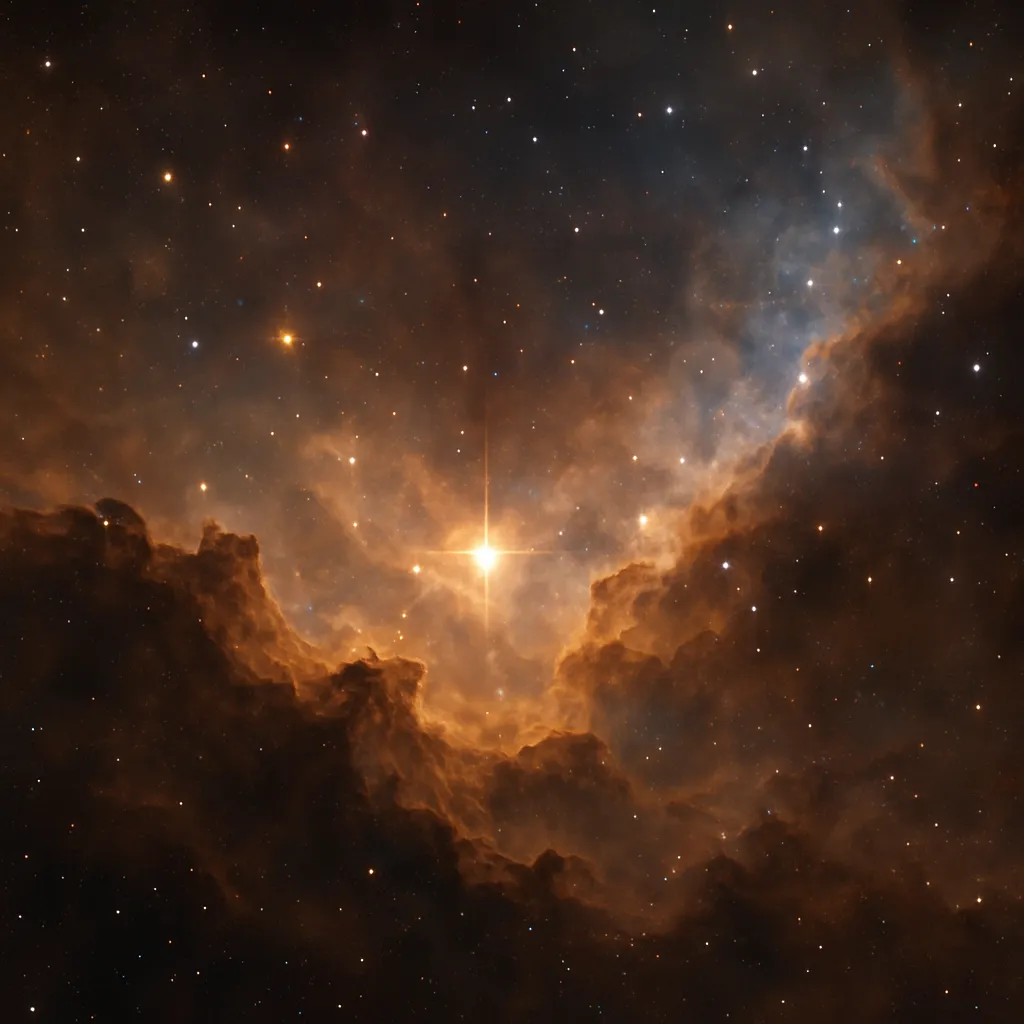
- Hubble Space Telescope (1990–present): Its Wide Field cameras have delivered million-pixel mosaics of the Pillars of Creation and the Hubble Ultra Deep Field, revealing galaxies millions of light-years away.
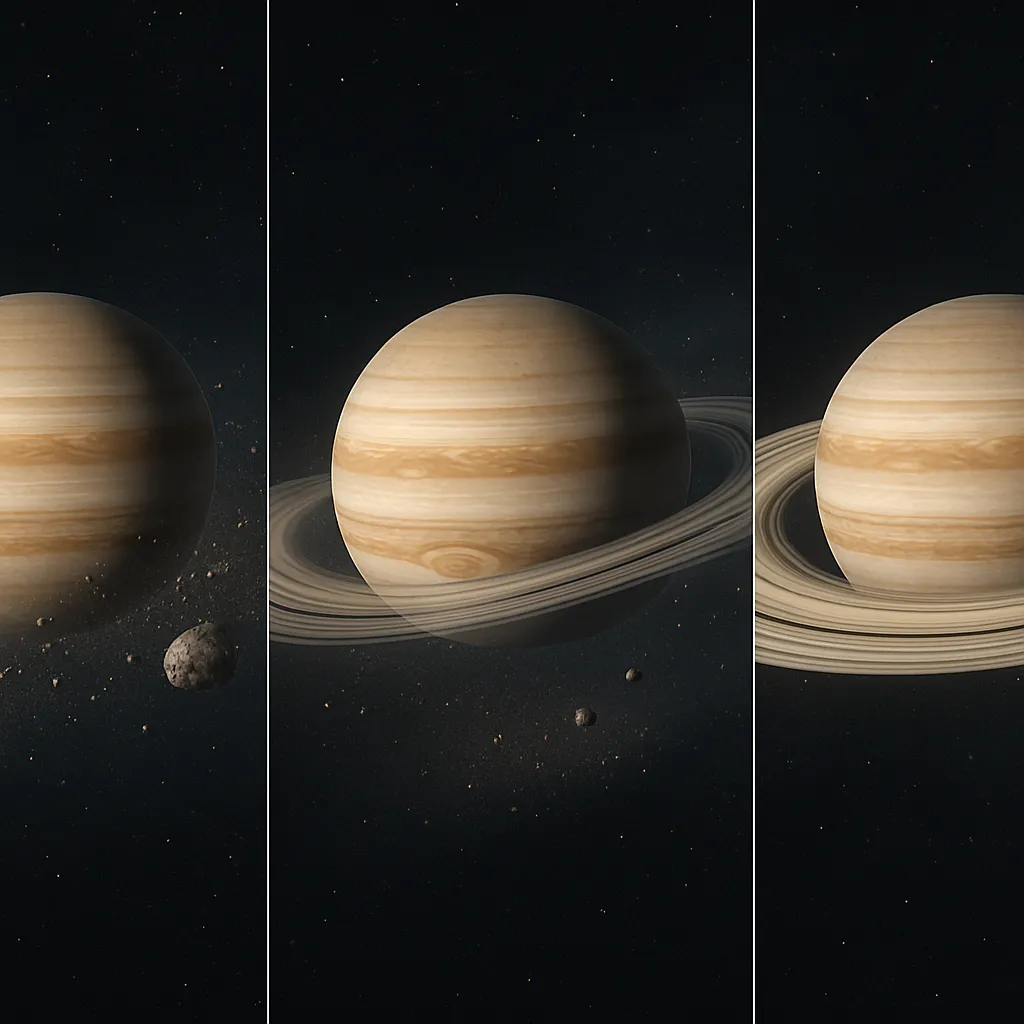
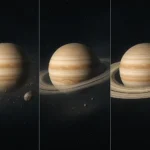
- Voyager Probes (1977): Voyager 1 and 2 provided the first close-ups of the outer planets, unveiling Jupiter’s turbulent storms, Saturn’s intricate rings, and Uranus’s muted hues.
- Cassini–Huygens (1997–2017): Detailed imagery of Saturn’s north-pole hexagon and Titan’s hydrocarbon lakes transformed our understanding of planetary weather systems.
- New Horizons (2006): Its 2015 Pluto flyby offered the first high-resolution views of the dwarf planet’s icy mountains and vast plains, redefining what small worlds can look like.
- James Webb Space Telescope (2021–present): Observing in the infrared, Webb peers through cosmic dust to reveal nascent stars and the first galaxies in the early universe.
These missions exemplify how targeted efforts to place cameras at strategic vantage points can yield a treasure trove of data, driving both discovery and public fascination.
Impact on Science, Culture, and Philosophy
The flood of high-resolution imagery has far-reaching implications beyond raw data. For scientists, space photographs serve as empirical evidence of theories ranging from stellar nucleosynthesis to dark matter distribution. In 1998, observations of distant supernovae hinted at cosmic acceleration, leading to the concept of dark energy.
On the cultural front, images like Earthrise and the Pale Blue Dot have inspired artists, poets, and filmmakers. They instill a sense of shared destiny and vulnerability, emphasizing that all of humanity occupies the same fragile sphere. Educational outreach programs leverage these visuals to ignite interest in STEM among youth worldwide, bridging gaps across languages and borders.
Philosophically, viewing the cosmos from afar prompts existential reflection. What does it mean to be a speck in an incomprehensibly vast expanse? How do we reconcile the human scale with cosmic time stretches measured in billions of years? Space photography challenges us to expand our perspective, fostering a global worldview that transcends local conflicts and parochial concerns.
Future Horizons in Space Imaging
As we look ahead, the synergy of miniaturized sensors, artificial intelligence, and networked satellite constellations promises to democratize space photography. CubeSats outfitted with advanced optics may soon deliver near–real-time coverage of dynamic events, from supernovae to terrestrial weather emergencies.
Breakthroughs in metamaterials and free-space optical communications could enable probes to capture ultra-high-resolution visuals of distant solar systems. Concepts like the Starshot initiative envision fleets of wafer-thin spacecraft propelled by laser sails, each carrying tiny cameras to photograph exoplanets up close.
Meanwhile, ground-based observatories will continue to complement orbital assets, employing machine-learning algorithms to sift through petabytes of data and flag anomalies that warrant closer inspection. The collaboration between professional astronomers and citizen scientists will grow, transforming amateurs into crucial contributors to image analysis and pattern recognition tasks.
Ultimately, each new snapshot from the void brings us closer to deciphering the secrets of creation itself. As technology marches forward, space photography will remain our most powerful tool for exploring the beyond—both enlightening the scientific community and inspiring the next generation of explorers.