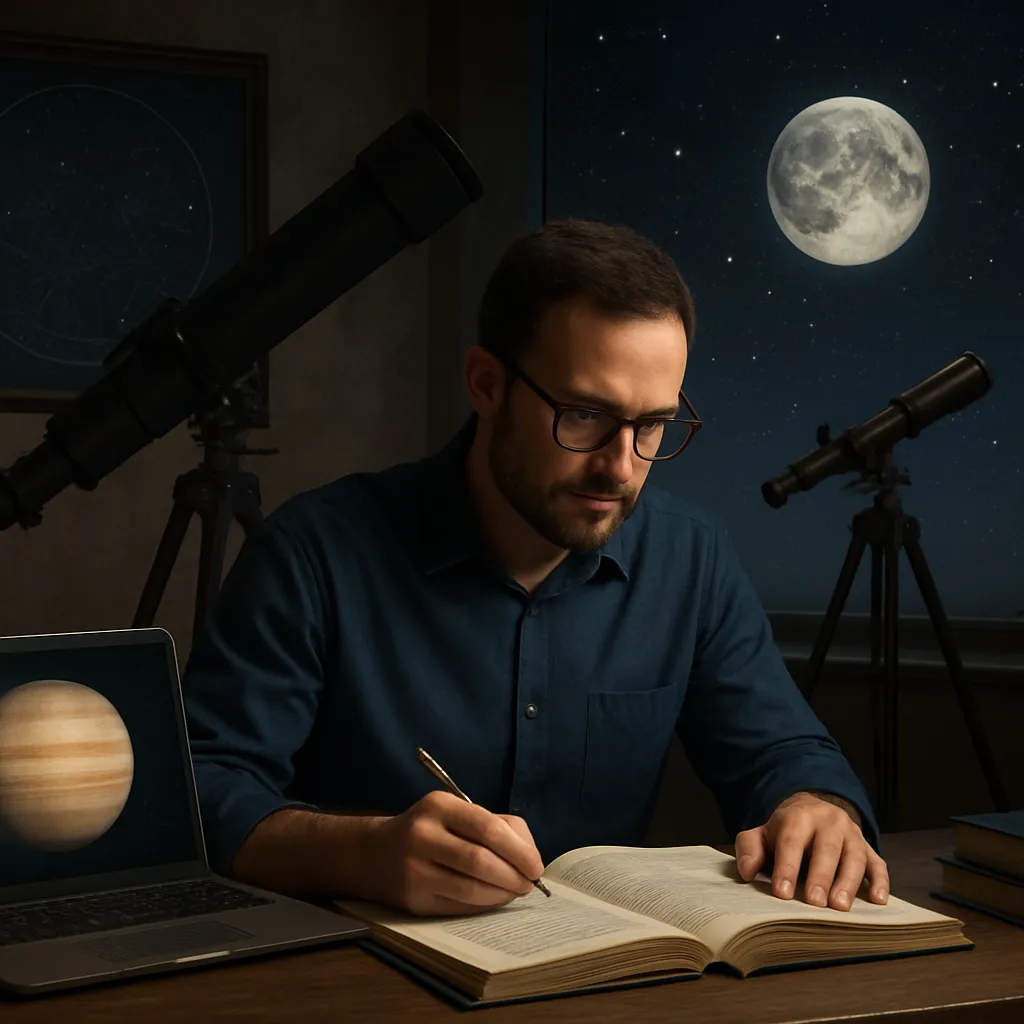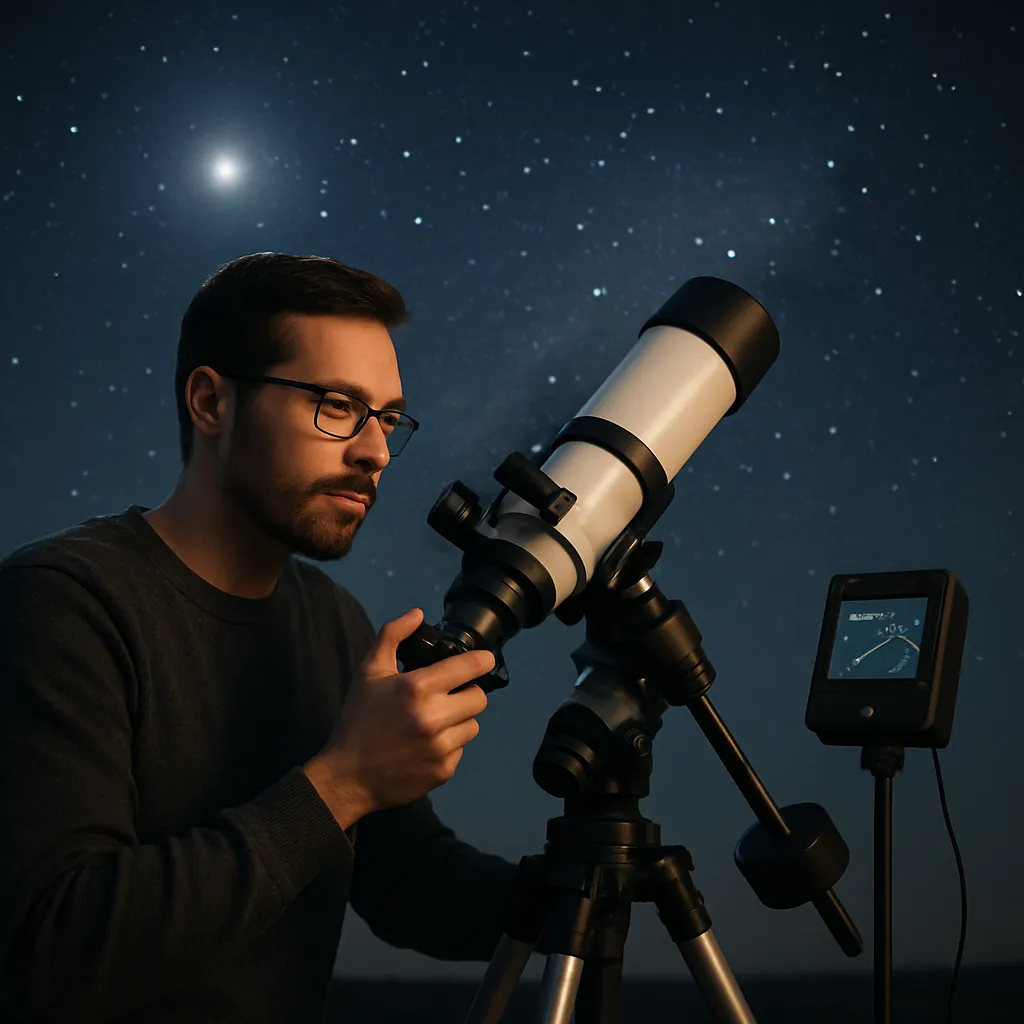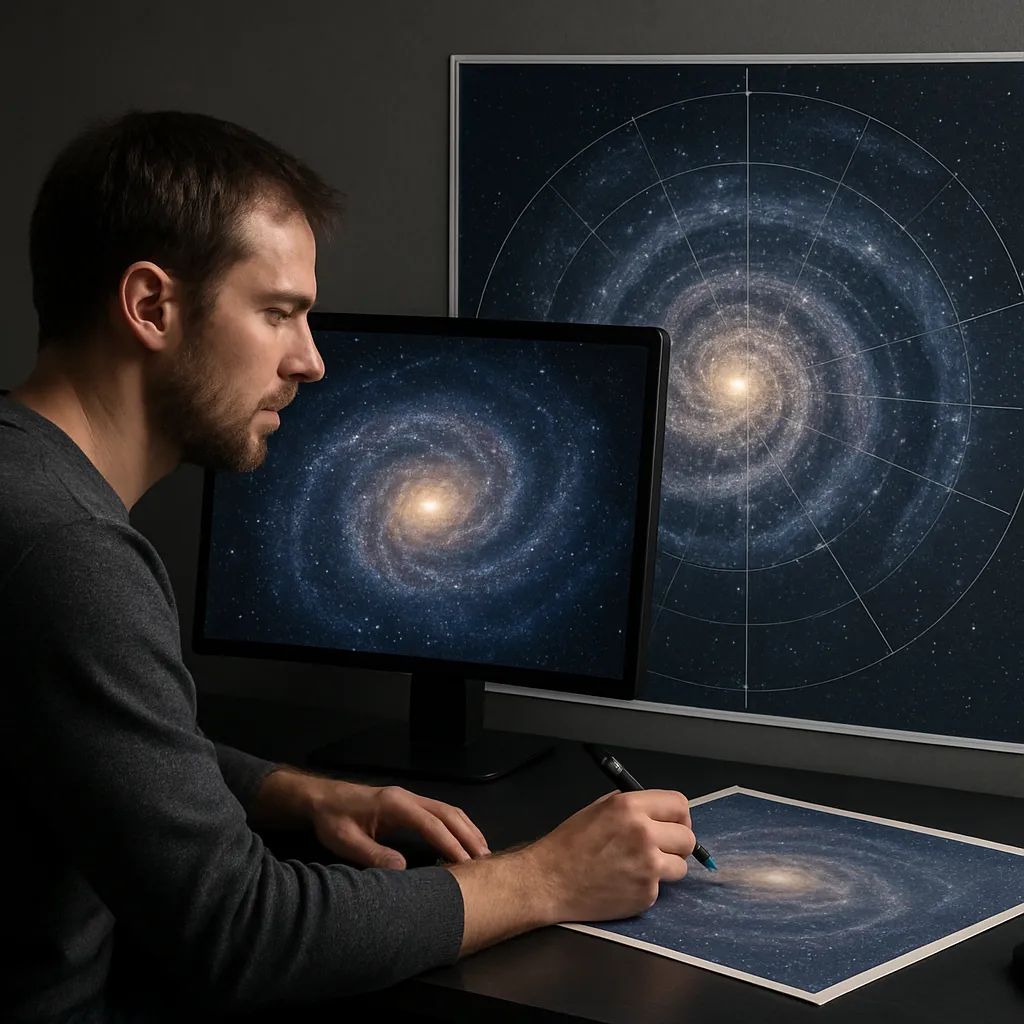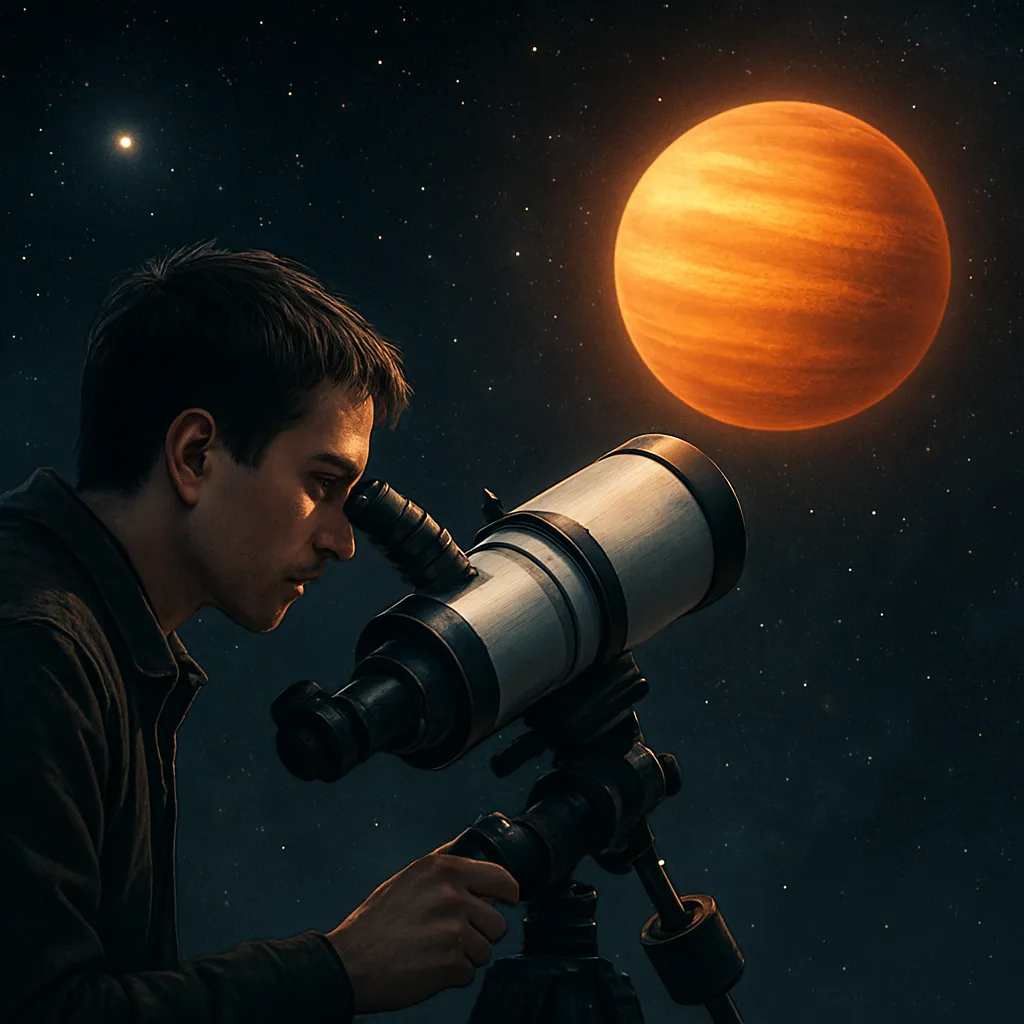

Space has long captured human curiosity, serving as a boundless canvas for both scientific quests and artistic expression. From the earliest stargazers to modern-day space missions, the vastness of the universe ignites a powerful spark of imagination and fuels creative minds across disciplines. This exploration of the cosmos is not merely a technical endeavor; it has become an enduring source of inspiration for visual artists, musicians, writers, architects, and performers seeking to transcend earthly boundaries and celebrate the sublime.
The Intersection of Space and Creativity
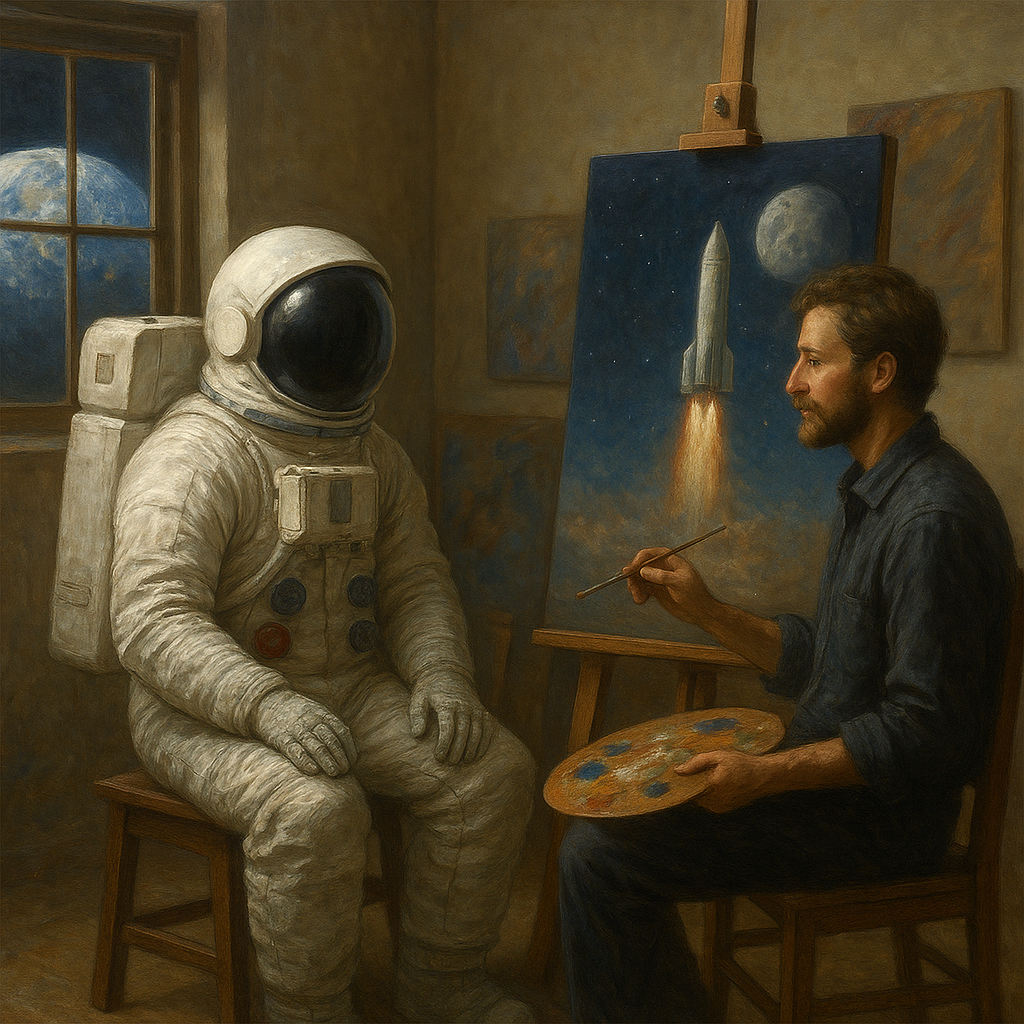
The collaboration between astronomy and the arts has given rise to a unique cultural fusion. Scientists and astronauts share their discoveries, while artists translate these findings into vivid representations that evoke a sense of wonder. This synergy has led to new forms of creativity that challenge traditional artistic practices. Researchers map out distant star systems, and painters respond with swirling canvases that capture the cosmic ballet of light and shadow.
At the heart of this collaboration lies a shared ambition: to communicate the profound beauty and mystery of the cosmos. Whether through stunning photographs from space telescopes or imaginative concept art for future colonies, each work bonds viewers to the dream of traveling beyond our home planet. This convergence underscores how scientific innovation and artistic vision propel one another forward, expanding the realm of what is conceivable.
Visual Arts Inspired by the Universe
Visual artists have been among the most immediate responders to the call of the stars. They employ a range of mediums—painting, sculpture, digital art, and installation—to evoke distant worlds and alien skies. A growing number of exhibitions and festivals focus on space-themed art, inviting audiences to experience the thrill of interstellar discovery.
- Planetary Landscapes: Painters often draw upon rover images and satellite data to craft hyperrealistic or surreal terrains that hint at the geology of Mars, Venus, and icy moons like Europa.
- Celestial Abstraction: Some creators explore abstract forms, using fluid shapes and color gradients to suggest nebulae, black holes, and the dance of charged particles across magnetic fields.
- Interactive Installations: Technology-driven exhibits allow visitors to walk through projected starfields, manipulate virtual spacecraft, or engage with responsive light sculptures that simulate solar flares.
Through these approaches, art becomes a bridge connecting the data-driven world of astrophysics to the emotional, introspective realm of human perception. The viewer is not simply an observer but an active participant in a narrative that extends far beyond Earth.
Music, Film, and Literature: Narratives beyond Earth
Storytelling mediums—music, cinema, and literature—have long turned their gaze skyward. Composers craft symphonies with sweeping motifs that mirror the ebb and flow of planetary orbits; filmmakers depict epic voyages to unknown star systems; novelists weave intricate tales of alien civilizations. These narratives tap into our collective yearning for freedom, discovery, and transcendence.
Symphonic Journeys
Icons like Gustav Holst and Richard Strauss captured the majesty of planets in orchestral works, while contemporary composers incorporate electronic sounds to evoke the hum of spacecraft and the whisper of vacuum. This fusion of traditional and modern elements reflects the ongoing evolution of musical aesthetics informed by space exploration.
Blockbusters and Indie Films
From grand franchises that span multiple galaxies to intimate indie projects exploring human drama aboard a lonely station, cinema presents diverse perspectives on our relationship with the galaxies beyond. Directors often collaborate with scientists to achieve visual accuracy, blending cutting-edge special effects with authentic astrophysical concepts.
Speculative Fiction and Poetry
Writers like Ursula K. Le Guin, Arthur C. Clarke, and newer voices in science fiction craft worlds that reflect contemporary issues—colonialism, ecology, and social order—projected onto alien backdrops. Poets, too, find fertile ground in the void, juxtaposing the infinite expanse of space with intimate human emotions, creating works that speak to both awe and vulnerability.
Architectural and Performance Art Influenced by Space Travel
Architecture and performance art have not been immune to the siren call of the stars. Designers envision lunar habitats, Mars research stations, and orbital hotels, applying biomimetic principles and sustainable materials to meet the harsh demands of extraterrestrial environments. These speculative blueprints often inform terrestrial projects, inspiring eco-friendly domes and modular living spaces.
- Conceptual Habitat Models: Scale models and full-scale prototypes reveal how life beneath radiation shields and inside pressurized domes could feel convincing and comfortable.
- Zero-Gravity Dance: Choreographers experiment with parabolic flight and drop towers to explore movement in microgravity, producing performances that defy conventional notions of dance.
- Virtual Reality Experiences: VR installations allow participants to walk on asteroid surfaces or navigate abandoned space stations, blending performance art with immersive storytelling.
These endeavors remind us that the frontier of space is as much about human adaptation and expression as it is about rockets and research. Performance and design become vehicles for imagining daily life lightyears from home.
The Future of Cultural Endeavors in the Space Age
As private companies and government agencies plan missions to the Moon, Mars, and beyond, artists will continue to play a pivotal role in shaping public perception and enthusiasm. Collaborative residencies aboard space stations, commissions for zero-G studios, and creative partnerships with space agencies promise to deepen the dialogue between art and science.
In this emerging era, every satellite launch or planetary rover touchdown offers a fresh opportunity for creative minds to respond, interpret, and reimagine. The next wave of art and culture may blend biotechnology, AI-generated soundscapes, and immersive holography, pushing the boundaries of what it means to experience the deep exploration of space.
By sustaining this dynamic interplay, humanity not only charts the heavens with telescopes and spacecraft but also commemorates each milestone with works that resonate across generations. From the dance of subatomic particles to the orbit of distant stars, the ongoing quest into space becomes a testament to human pioneers and their unyielding aspiration to create meaning in the vast tapestry of existence.