


The formation of stars is one of the most captivating processes in the cosmos, unraveling the mysteries of how matter coalesces into brilliant celestial bodies. From the **gravitational collapse** of dense gas to the ignition of nuclear fusion, astronomers employ a variety of innovative tools and techniques to study these early stages. This article explores how scientists probe the **molecular clouds**, leverage cutting-edge **telescopes**, and use sophisticated **computer simulations** to understand the birth of stars.
Understanding Molecular Clouds and Protostars
Stars are born within vast, cold, and dense regions of interstellar space called molecular clouds. These clouds, primarily composed of hydrogen molecules and traces of other elements, can span dozens of light-years. The delicate interplay of **magnetic fields**, turbulence, and gravity within these clouds sets the stage for **star formation**.
The Role of Gravitational Collapse
Within a molecular cloud, regions of higher density gradually collapse under their own gravity. As the material contracts, it heats up and forms a protostar—a dense, hot core still enshrouded in gas and dust. Observing this **gravitational collapse** provides critical insights into the initial mass and eventual evolution of a star.
Protostellar Evolutions and Classifications
A protostar passes through several evolutionary phases (Class 0 to Class III), each characterized by distinct observational signatures. In the earliest phase, the protostar is deeply embedded in its natal envelope, detectable mainly via **infrared observations** and **radio astronomy**. As the protostar evolves, outflows and jets clear away surrounding material, revealing the young star at optical wavelengths.
Tools and Techniques in Observational Astronomy
Astronomers rely on a multi-wavelength approach to penetrate the opaque dust clouds and capture the myriad processes of star formation. Each part of the electromagnetic spectrum reveals unique features of the protostellar environment.
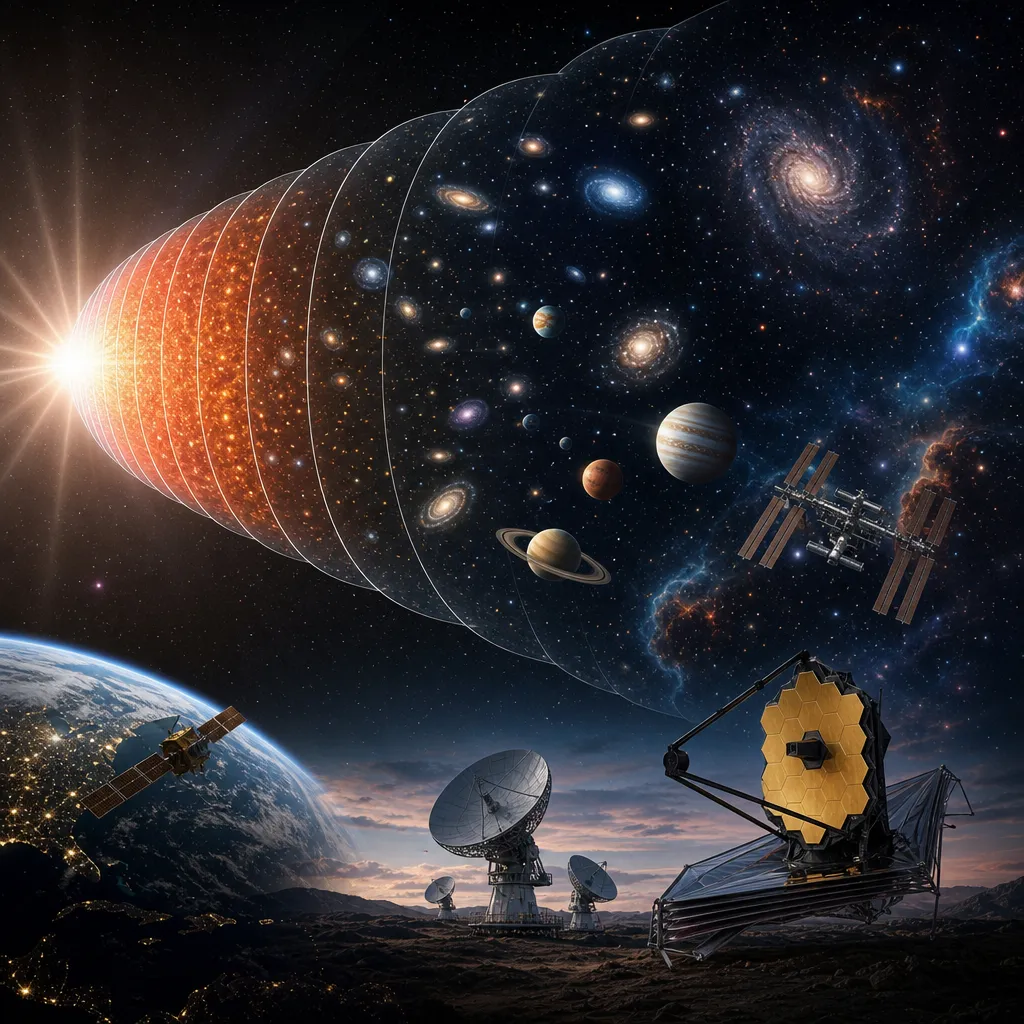
- Infrared Telescopes: Instruments like the James Webb Space Telescope (JWST) and the Spitzer Space Telescope excel at detecting the faint heat signatures of protostars hidden within dust. Infrared light can traverse dense gas clouds, unveiling the warm cores and disks forming around newborn stars.
- Radio Telescopes: Arrays such as ALMA (Atacama Large Millimeter/submillimeter Array) map the distribution of molecules like carbon monoxide and ammonia. These observations trace temperature, density, and velocity fields in molecular clouds, highlighting the dynamics of **stellar nurseries**.
- Optical and Ultraviolet Observations: While dust can obscure young stars at visible wavelengths, optical telescopes still capture later stages of protostellar development, including jets and shock fronts. Ultraviolet studies shed light on energetic processes during accretion and outflow events.
- X-ray Astronomy: Young stellar objects often emit strong X-ray flares due to magnetic reconnection events. Observatories like Chandra and XMM-Newton monitor these high-energy bursts, offering clues about the magnetic activity and corona formation in nascent stars.
Advanced Instrumentation and Surveys
Large-scale surveys and dedicated instruments enhance our understanding by providing comprehensive data sets across the sky.
Mapping the Milky Way’s Star-Forming Regions
The Gould Belt and other nearby star-forming complexes are subjects of extensive mapping campaigns. Combined data from infrared, submillimeter, and radio surveys build three-dimensional maps of **molecular clouds**, revealing filaments, cores, and clumps where protostars emerge.
Cutting-Edge Interferometry
By linking multiple telescopes, interferometers achieve unprecedented resolution, resolving structures down to scales of tens of astronomical units. This precision allows direct imaging of circumstellar disks, the birthplaces of planets around protostars, and the study of fragmentation processes that lead to binary or multiple-star systems.
Theoretical Modeling and Computer Simulations
Observations alone cannot capture the full complexity of star formation. **Computer simulations** complement empirical data by modeling the physics of collapsing clouds under various conditions.
Hydrodynamics and Magnetohydrodynamics
Simulations incorporate hydrodynamic flows, **magnetic fields**, radiation transport, and chemistry to reproduce filament formation, core collapse, and disk evolution. These models help test hypotheses about fragmentation scales, the initial mass function (IMF), and the impact of turbulence on star birth.
Zoom-In Simulations
To study individual protostars in detail, researchers employ zoom-in techniques that focus computational power on specific regions within a larger cloud. This approach reveals how small-scale physics influences accretion rates, disk stability, and jet launching mechanisms.
Synergy Between Observation and Theory
The interplay between observations and models leads to continuous refinement of our understanding. Discrepancies between predicted and observed star formation rates or mass distributions drive improvements in both telescopic capabilities and simulation algorithms.
Benchmarking Models with Observational Data
By comparing synthetic observations generated from simulations to real telescope data, scientists calibrate key parameters like cloud temperature, turbulence spectra, and magnetic field strengths. This benchmarking process ensures that theoretical frameworks remain grounded in empirical reality.
Collaborative International Projects
Large collaborations, such as the Star Formation Legacy Surveys, bring together observational astronomers, theorists, and data scientists. These teams share data repositories, develop open-source simulation codes, and host workshops to synchronize efforts across continents.
Future Prospects
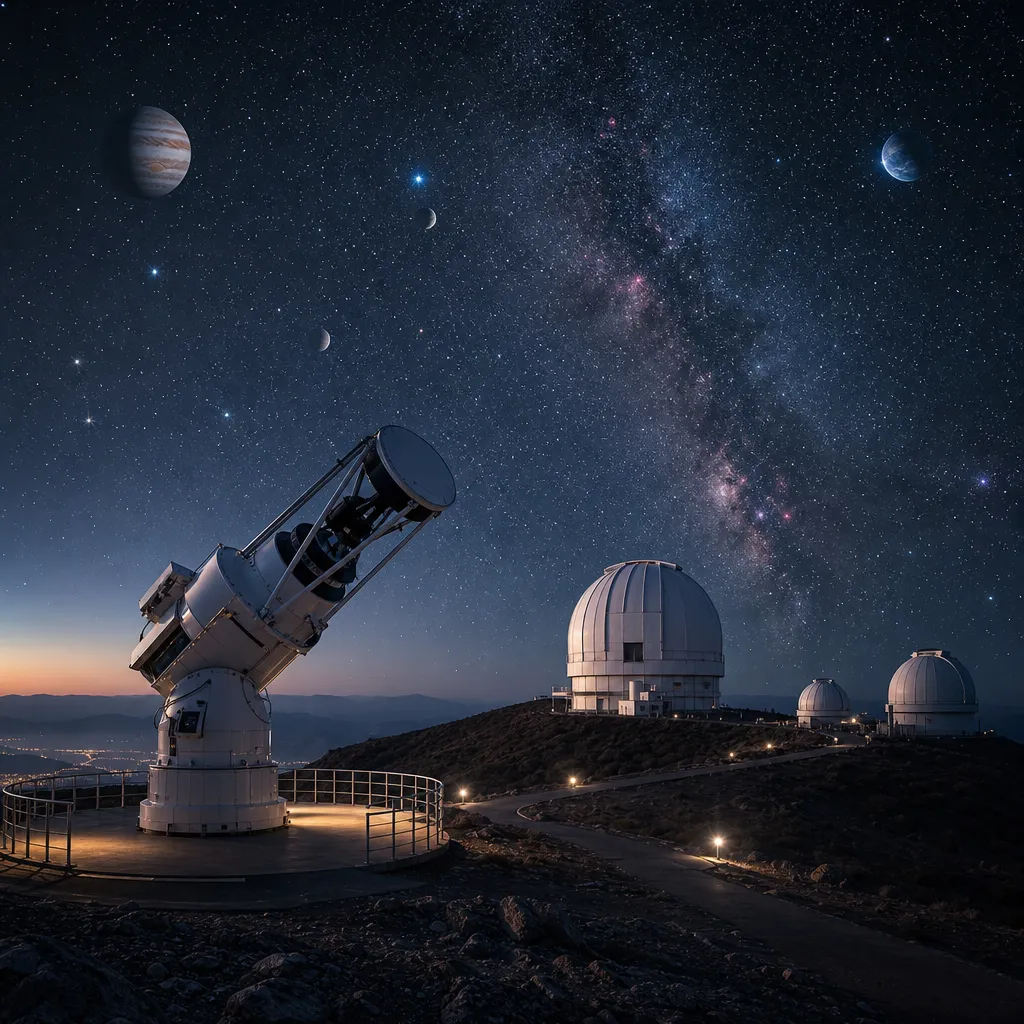
With next-generation facilities like the Square Kilometre Array (SKA) and the Extremely Large Telescope (ELT) on the horizon, the field of **star formation** is poised for revolutionary discoveries. Enhanced sensitivity and resolution will allow scientists to peer into the earliest epochs of stellar birth, even in distant galaxies. Coupled with advances in artificial intelligence for data analysis, the coming decades promise a deeper, more detailed understanding of how the Universe’s most fundamental building blocks come into existence.