

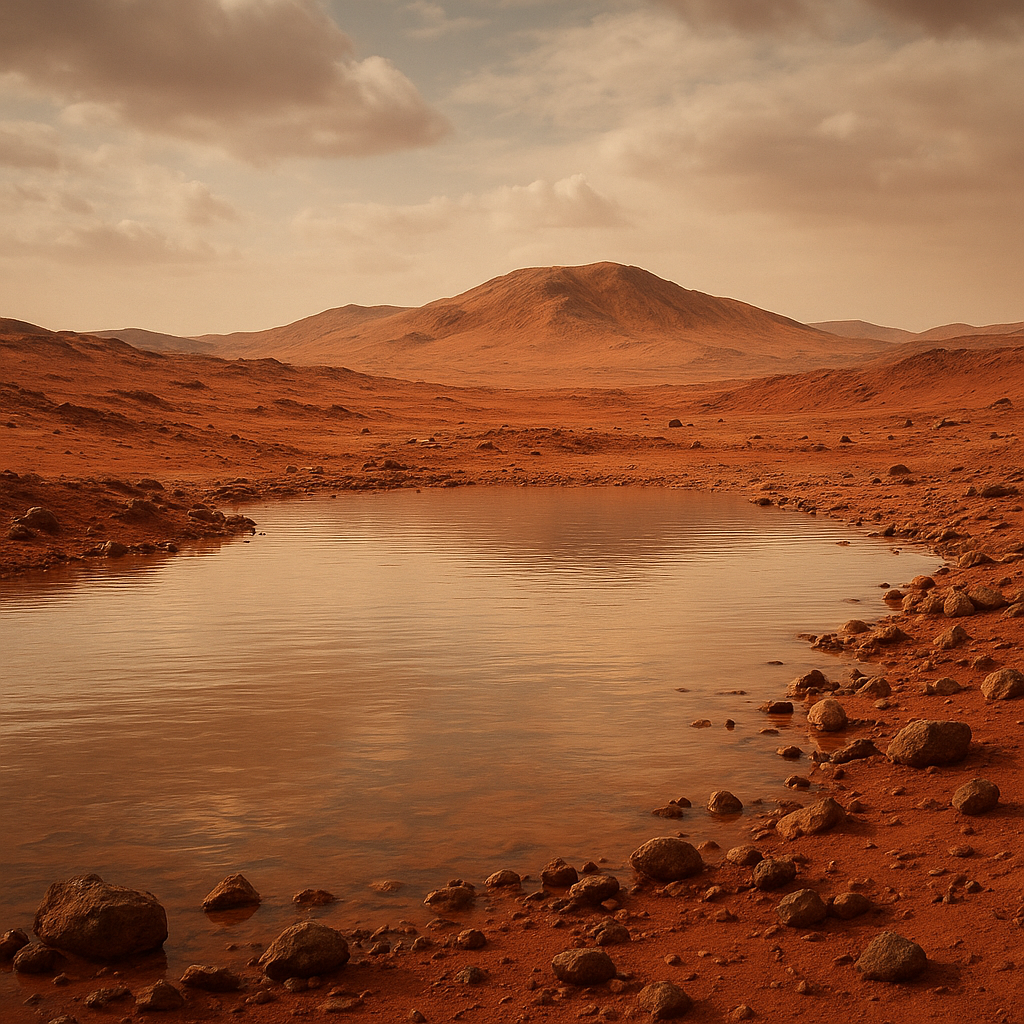
The recent confirmation of liquid and frozen water on the Red Planet has sparked a wave of excitement among scientists and space enthusiasts alike. This monumental finding reshapes our understanding of planetary evolution and opens doors to new possibilities in the quest for extraterrestrial life. By delving into the layers of Martian terrain and examining the chemical signatures in its atmosphere, researchers have unveiled clues that were once relegated to the realm of science fiction. From the earliest telescopic observations to modern orbiters and rovers, the story of water on Mars is a testament to human ingenuity and our relentless pursuit of the unknown.
Origins of the Discovery
The journey to detect water on Mars began centuries ago, with Italian astronomer Galileo Galilei first glimpsing polar caps on the Martian surface. However, these early observations merely hinted at the icy deposits near the poles. It wasn’t until the latter half of the 20th century that robotic missions began collecting concrete evidence.
Early Probes and Orbital Observations
- Mariner 4 (1965): Provided the first close-up images, revealing impact craters but no clear sign of surface water.
- Viking Orbiter (1976): Detected seasonal variations in polar cap sizes, suggesting sublimation of ice.
- Mars Global Surveyor (1996–2006): Used laser altimetry to map surface topography and infer ancient river valleys.
Despite these achievements, many questions remained unanswered until advances in spectroscopy and imaging were paired with sophisticated landers and rovers.
Breakthroughs with Modern Rovers
- Phoenix Lander (2008): Dug trenches and confirmed the presence of subsurface ice at high latitudes.
- Curiosity Rover (2012–present): Analyzed sedimentary rocks in Gale Crater, identifying mineralogy consistent with ancient lakes.
- Mars Reconnaissance Orbiter (MRO, 2006–present): Captured high-resolution images of recurring slope lineae, hinting at transient briny flows.
By combining orbital data with on-the-ground measurements, scientists pinpointed regions where liquid brine might seep seasonally, reaffirming that Mars is not as dry as once thought.
Implications for Martian Geology
The confirmation of both ice and intermittent liquid phases challenges long-standing models of Martian geology. Once viewed as a cold, barren landscape, Mars now exhibits dynamic processes that mirror those on Earth, albeit on a colder and thinner-atmosphered planet.
Subsurface Ice Reservoirs
Radar instruments aboard orbiters like MRO and Mars Express have detected extensive deposits of subsurface ice. These hidden glaciers lie just meters below the surface in mid-latitude regions. Their discovery suggests that vast quantities of water once flowed across the planet, carving valleys and shaping highland terrains.
Mineralogical Evidence
- Layered clay minerals indicate prolonged interactions between rock and liquid water.
- Sulfate-rich deposits point to evaporative processes in ancient lakes and seas.
- Silica-rich formations resemble terrestrial hot spring sinters, implying geothermal activity.
These mineralogical clues help reconstruct the environmental conditions that prevailed billions of years ago, offering a glimpse into Mars’s significance in comparative planetology.
Potential for Life and Future Missions
Knowing that water is or was present on Mars elevates the prospect of past or present microbial ecosystems. If liquid water can exist under the right conditions, then the possibility of Martian microbial communities cannot be dismissed.
Astrobiological Considerations
- The search for biosignatures centers on organic molecules preserved in ancient sedimentary rocks.
- Recurring slope lineae (RSL) could represent transient habitats for extremophiles, similar to Earth’s brine lakes.
- Methane plumes detected seasonally hint at either geological or biological sources.
Planetary protection protocols are crucial to avoid contaminating potential Martian habitats with Earth-originating microbes. Upcoming missions will leverage sterilization techniques and in situ analysis to ensure integrity.
Upcoming Exploratory Missions
- ExoMars (2022 launch): Will drill up to two meters into the subsurface to retrieve samples that may contain preserved organics.
- Perseverance Rover (2020 launch): Equipped with caching systems to store rock cores for eventual return to Earth.
- Martian Moons eXploration (MMX, 2024 launch): Though focused on Phobos and Deimos, it will carry instruments capable of detecting water-bound minerals.
These missions embody the next chapter of human exploration, aiming to answer whether Mars ever hosted life and how we might one day utilize local resources for crewed expeditions.
Technological Advances Driving the Search
Breakthroughs in robotics, instrumentation, and data analysis have been pivotal in uncovering hidden reservoirs of Martian ice and brines. Innovations in radar, spectroscopy, and sample handling pave the way for more refined discoveries.
Ground-Penetrating Radar Systems
Instruments like SHARAD (on MRO) and MARSIS (on Mars Express) send low-frequency pulses through the crust, revealing interfaces between rock, ice, and potential liquid layers. By mapping these reflectors, scientists quantify the extent of subsurface reservoirs and assess their stability over geological timescales.
Autonomous Rover Capabilities
- AI-driven navigation allows rovers to traverse hazardous terrain while optimizing scientific return.
- Miniaturized spectrometers analyze rock slices in real time, identifying mineral and organic compounds.
- Drill and coring systems extract samples from meters below the surface, where radiation damage is minimal.
These technologies collectively enhance our ability to detect subtle astrosignatures and to plan for eventual human presence on the Martian surface.
International Collaboration and Data Sharing
The quest for life beyond Earth is a global endeavor. Agencies such as NASA, ESA, Roscosmos, and CNSA collaborate on mission planning, share data in open repositories, and jointly develop planetary protection standards. This cooperative framework accelerates discoveries and ensures robust scientific validation.
Conclusion
As we stand on the cusp of a new era in Mars research, the discovery of active water processes reshapes our understanding of the Red Planet. It compels us to refine theories of planetary geology, reassess the potential for extraterrestrial ecosystems, and harness cutting-edge technologies for thorough exploration. The road ahead will undoubtedly uncover more surprises, but one truth remains clear: water on Mars is the key to unlocking the secrets of our cosmic neighborhood.