

The International Space Station represents humanity’s most ambitious venture in low Earth orbit, a beacon of international cooperation and cutting-edge technology. Astronauts aboard this orbiting outpost experience a host of unique challenges that test both body and mind. From the constant presence of microgravity to the threat of radiation, daily life in this confined habitat demands innovative solutions and unwavering resilience. The following discussion explores some of the most pressing obstacles that spacefarers face and the measures taken to overcome them.
Living in Microgravity: Adapting the Human Body
Without Earth’s gravitational pull, the human body undergoes rapid physiological changes. Muscles and bones, no longer required to support body weight, begin to weaken within days.
Muscle Atrophy and Bone Density Loss
- Countermeasures: Astronauts follow rigorous exercise regimes using resistance devices, such as the Advanced Resistive Exercise Device, to mitigate muscle atrophy.
- Bone demineralization can exceed 1% per month, similar to severe osteoporosis, requiring biochemical monitoring and nutrition plans rich in calcium and vitamin D.
Fluid Redistribution
In microgravity, bodily fluids shift toward the head, causing facial puffiness and increased intracranial pressure. This can lead to visual impairments known as Spaceflight-Associated Neuro-ocular Syndrome (SANS). Research into special lower body negative pressure suits and sleep positioning helps alleviate these issues.
Psychological Strains: Isolation and Confinement
Extended missions on the station impose severe psychological stressors. The crew lives in cramped quarters, experiences a relentless work schedule, and remains cut off from most real-time social interactions.
Social Dynamics and Crew Cohesion
Maintaining harmony among international crew members is crucial. Regular video calls with family, communal meals, and team-building activities foster trust. Communication specialists monitor interactions to detect early signs of conflict or mood disturbances.
Monotony and Mental Health
- Repetitive tasks can lead to boredom and decreased alertness. To combat monotony, astronauts engage in diverse research projects from botanical studies to fluid physics experiments.
- Mindfulness practices and onboard recreational facilities, including a small musical instrument library and digital movie collections, provide psychological relief.
Environmental Hazards: Radiation and Life Support
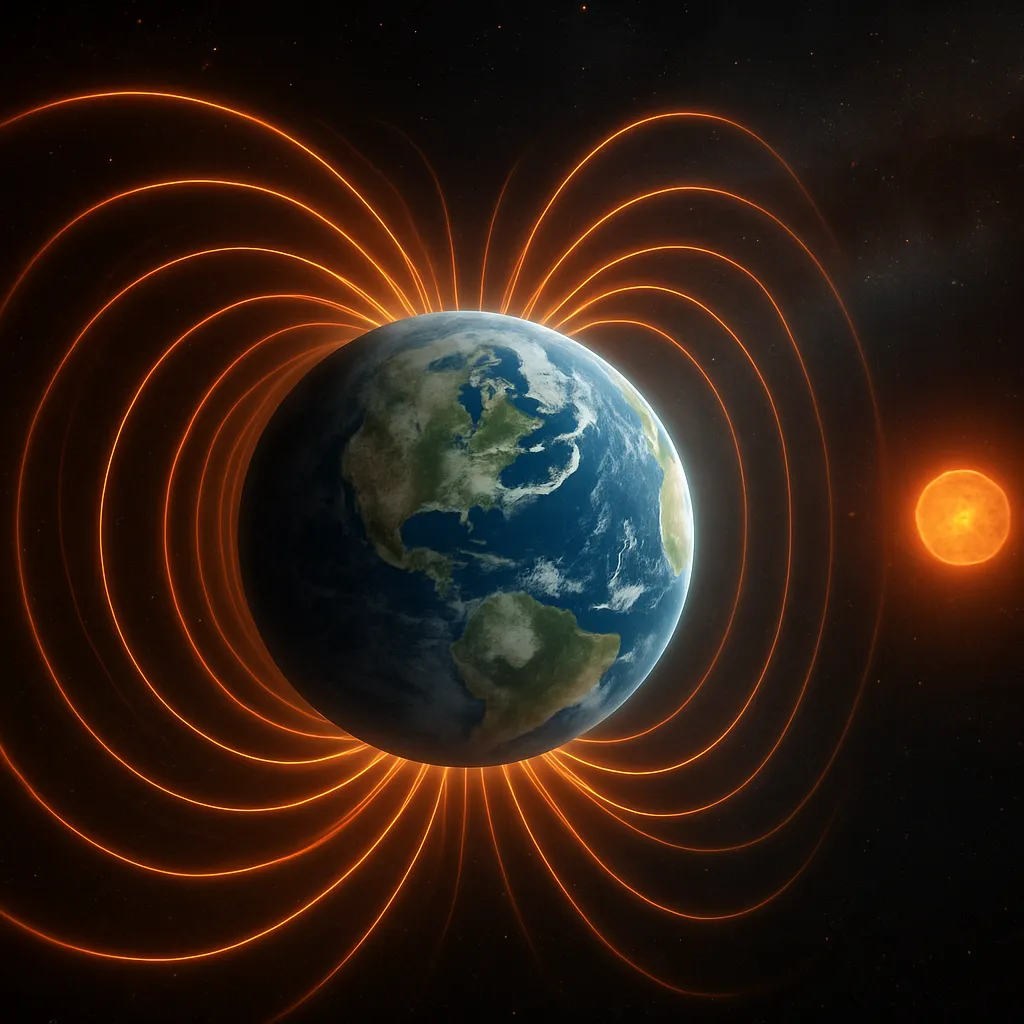
In low Earth orbit, the station is partially protected by Earth’s magnetosphere, but astronauts still encounter elevated levels of cosmic rays and solar particle events.
Radiation Exposure
Prolonged exposure increases cancer risk and can damage the central nervous system. Shielding solutions include water-filled walls and specialized polymers in the station’s structure. Ongoing experiments test radiation-resistant materials for future deep-space habitats.
Life Support Systems
- Atmosphere management relies on the Environmental Control and Life Support System (ECLSS), which regenerates oxygen from water via electrolysis.
- Carbon dioxide scrubbers use zeolite canisters to maintain safe air composition, with real-time monitoring by onboard sensors.
- Water recovery recycles urine, sweat, and humidity condensate, achieving up to 93% reuse. Strict hygiene protocols ensure potability and prevent microbial contamination.
Operational Complexity: Daily Routines and Maintenance
Running a laboratory in orbit demands meticulous planning and precise execution. Crew members spend up to 10 hours a day on station maintenance, scientific research, and physical exercise.
Scientific Experiments
The ISS hosts experiments in fluid dynamics, material science, and biological studies that benefit from microgravity. Delicate procedures often require robotic assistance from the Canadarm2 and specialized gloved hand tools to manipulate samples.
System Repairs and Upgrades
- External spacewalks, or EVAs, are scheduled to inspect and repair solar arrays, radiators, and docking ports. Each EVA can last over six hours, exposing astronauts to vacuum and radiation.
- Periodic software updates for onboard computers and robotic arms maintain operational efficiency and guard against cyber vulnerabilities.
Scientific and International Collaboration
The ISS is a platform for multinational research and cooperation, uniting agencies like NASA, ESA, Roscosmos, JAXA, and CSA under a common purpose.
Research Diversity
- Biological studies explore cellular responses to stress, helping medical advances on Earth.
- Materials research tests alloys and semiconductors in microgravity to produce purer crystals and improved composites.
- Technology demonstrations validate new life support systems, robotics, and communication networks for future missions to the Moon and Mars.
International Partnerships
Scientists and engineers from over 100 countries contribute experiments and hardware. This collaborative model fosters innovation, sharing of costs, and diplomatic goodwill. Crew exchanges and joint training sessions on Earth cement cross-cultural understanding and enhance mission success.
Preparing for Future Exploration
Lessons learned aboard the ISS inform the design of next-generation spacecraft and habitats. Concepts such as the Lunar Gateway station and Mars transit vehicles integrate closed-loop life support, enhanced radiation shielding, and artificial gravity research.
Advancing Human Spaceflight
- Studies on muscle and bone maintenance feed directly into countermeasure plans for multi-year missions.
- Psychological research guides habitat design to support crew well-being on isolated journeys.
- Technological breakthroughs, from high-efficiency solar panels to autonomous robotics, are first validated in orbit.
The Road Ahead
As we set our sights on establishing a sustained human presence beyond Earth orbit, the challenges faced on the International Space Station serve as a proving ground. Continued investment in research, engineering, and international collaboration will pave the way for safe and productive explorations of the Moon, Mars, and beyond. The spirit of innovation and cooperation cultivated aboard the ISS stands as a testament to what humanity can achieve when we unite under a shared cosmic vision.