

The History of the Apollo Missions

The Apollo missions stand as a testament to human ambition and the relentless pursuit of knowledge beyond our planet. Launched by the National Aeronautics and Space Administration (NASA) between 1961 and 1972, this program achieved what many believed impossible: landing humans on the Moon and safely returning them to Earth. By studying the Apollo era,…

Read More

The Future of AI-Controlled Spacecraft

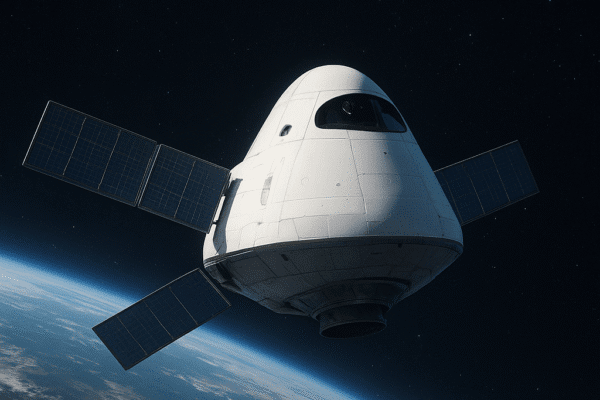
As humanity pushes the boundaries of exploration, the marriage between artificial intelligence and spaceflight promises to revolutionize how we traverse the cosmos. AI-controlled spacecraft offer unprecedented opportunities for efficient navigation, autonomous decision-making, and resilient operations in environments far beyond Earth’s protective embrace. This article delves into the emerging technologies, operational frameworks, and ethical considerations shaping…

Read More

How Time Works Differently in Space

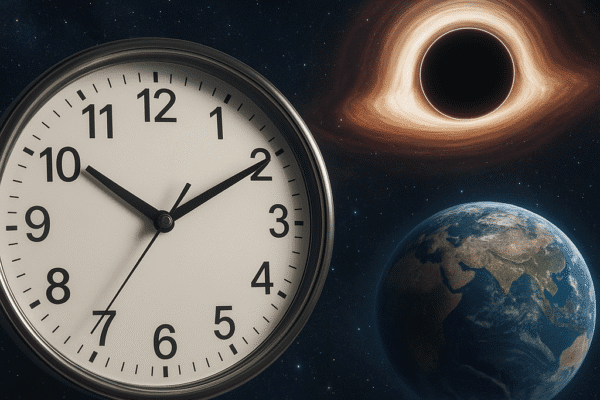
The nature of time shifts dramatically once humanity ventures beyond our planet. Far from a steady, universal metronome, time in space bends and stretches under the influence of massive bodies and rapid motion. Understanding these effects is essential for deep-space missions, satellite navigation, and fundamental physics research. This article delves into how time behaves differently…

Read More

How Gravity Affects the Human Body in Space

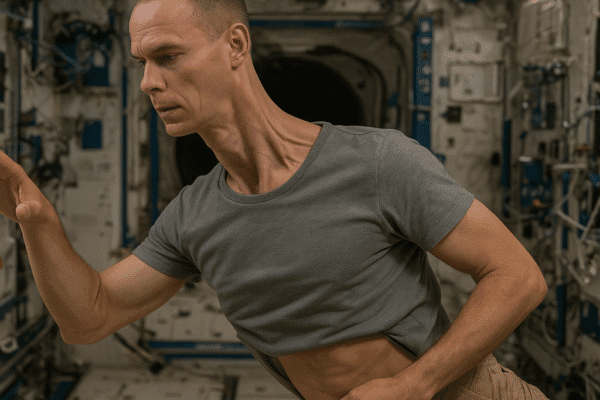
Spaceflight exposes the human body to conditions radically different from Earth’s surface. In the weightless environment aboard spacecraft, the absence of microgravity triggers a cascade of adaptations and challenges for astronauts. Understanding these effects is crucial for designing safe missions, from short-duration trips to long-term journeys to Mars. This article explores how the lack of…

Read More