

The Challenges of Living on the International Space Station

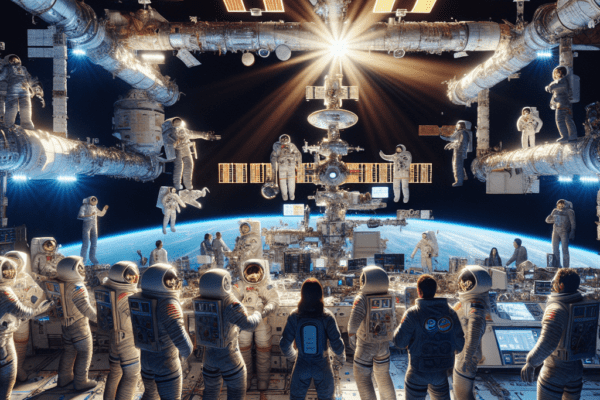
The International Space Station represents humanity’s most ambitious venture in low Earth orbit, a beacon of international cooperation and cutting-edge technology. Astronauts aboard this orbiting outpost experience a host of unique challenges that test both body and mind. From the constant presence of microgravity to the threat of radiation, daily life in this confined habitat…

Read More

How Space Agencies Collaborate Internationally

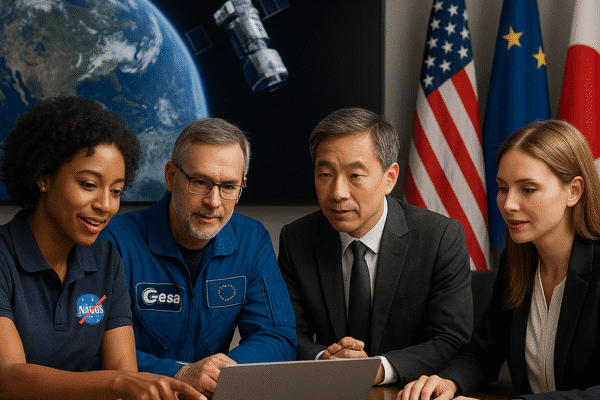
International collaboration in space has transformed our understanding of the universe and enabled achievements once deemed impossible. By pooling expertise, funding, and technology, space agencies forge partnerships that propel humanity beyond Earth’s confines. This article explores how agencies unite their strengths to conduct groundbreaking missions, advance research, and inspire future generations of explorers. Origins of…

Read More

How Microgravity Research Benefits Medicine on Earth

Exploring the unique environment of space has unlocked a wealth of knowledge that directly impacts human health on Earth. Research conducted under microgravity conditions aboard the International Space Station has advanced our understanding of biological systems, leading to breakthroughs in drug design, tissue engineering, and medical devices. By eliminating the dominating force of gravity, scientists…

Read More
International Collaboration on the ISS: Successes and Challenges

International Collaboration on the ISS: Successes and Challenges

The International Space Station (ISS) stands as a testament to what humanity can achieve through international collaboration. Orbiting Earth at an average altitude of approximately 420 kilometers, the ISS is a marvel of engineering and cooperation, bringing together space agencies from around the world to conduct research and foster peaceful relations. This article delves into…

Read More