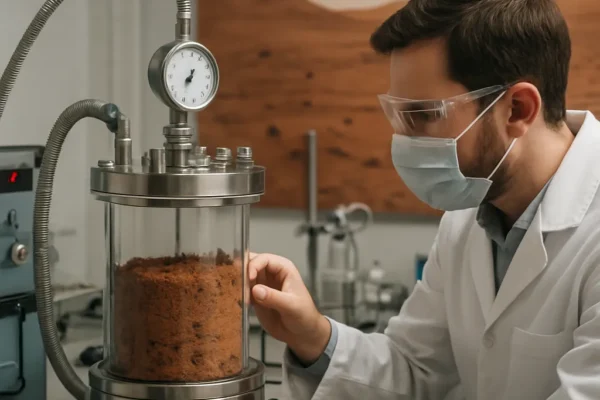

How Scientists Recreate Martian Conditions on Earth

Recreating the Red Planet’s harsh environment in terrestrial laboratories requires a blend of cutting-edge technology, ingenuity, and meticulous attention to detail. Scientists worldwide strive to emulate Mars’s unique conditions to test equipment, study potential life forms, and prepare for future crewed missions. By simulating soil chemistry, atmospheric composition, and the relentless interplay of radiation and…

Read More

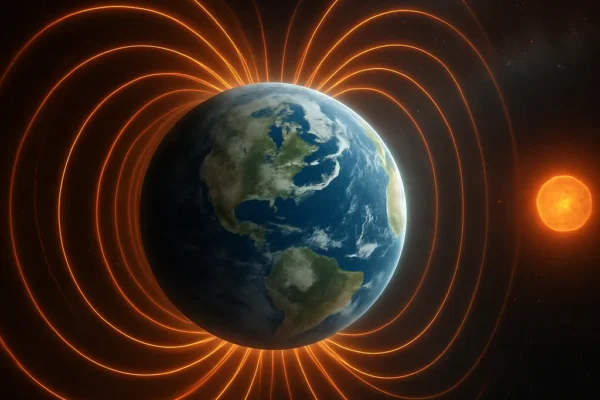
How Planetary Magnetic Fields Protect Life

The invisible force field generated deep within planetary cores serves as a crucial shield against the relentless onslaught of charged particles permeating space. From the vibrant dancing lights of auroras to the protection of delicate atmospheric layers, the presence of an active magnetosphere shapes a world’s potential for supporting life. This article examines how magnetic…

Read More

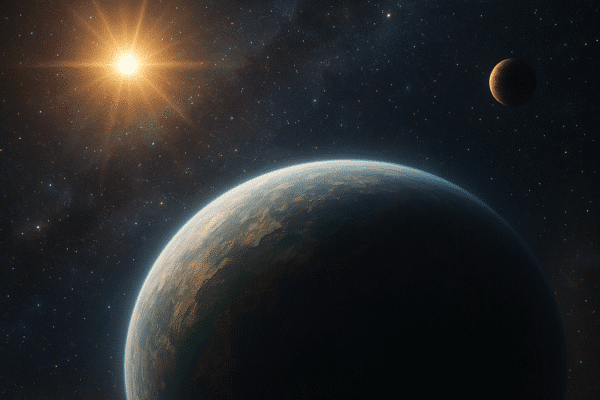
How Astronomers Detect the Atmospheres of Distant Planets

Detecting distant planets and unveiling the properties of their atmospheres represents one of the most exciting frontiers in modern astronomy. As telescopes and analytical techniques have become more sophisticated, researchers no longer limit themselves to finding new worlds; they probe the gaseous envelopes that cloak these exoplanets. Learning to decode the faint signals that reach…

Read More

The Search for Habitable Exoplanets

The quest to identify worlds beyond our solar system that could support life has driven astronomers and researchers to push the limits of technology and imagination. By studying the diverse population of exoplanets, scientists aim to unravel the mysteries of planetary habitability and the conditions necessary for life to emerge. From distant gas giants to…

Read More