

The Challenges of Living on the International Space Station

The International Space Station represents humanity’s most ambitious venture in low Earth orbit, a beacon of international cooperation and cutting-edge technology. Astronauts aboard this orbiting outpost experience a host of unique challenges that test both body and mind. From the constant presence of microgravity to the threat of radiation, daily life in this confined habitat…

Read More

How Time Works Differently in Space

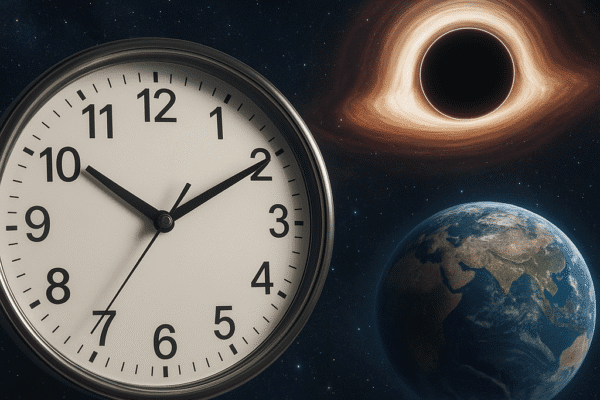
The nature of time shifts dramatically once humanity ventures beyond our planet. Far from a steady, universal metronome, time in space bends and stretches under the influence of massive bodies and rapid motion. Understanding these effects is essential for deep-space missions, satellite navigation, and fundamental physics research. This article delves into how time behaves differently…

Read More

How Scientists Simulate Zero Gravity on Earth

The quest to understand weightlessness has driven researchers to develop ingenious methods for **simulating** zero gravity on Earth. By mimicking space-like conditions, scientists can conduct critical **experiments**, train **astronauts**, and design **spacecraft** components without leaving our planet. This article explores a variety of terrestrial techniques—each harnessing unique principles of **physics**, **engineering**, and innovation—to create environments…

Read More

How Gravity Affects the Human Body in Space

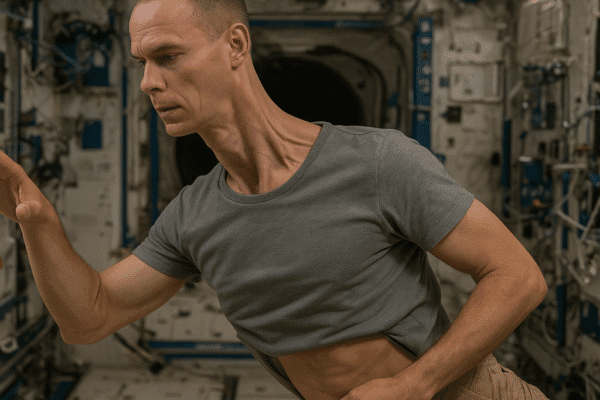
Spaceflight exposes the human body to conditions radically different from Earth’s surface. In the weightless environment aboard spacecraft, the absence of microgravity triggers a cascade of adaptations and challenges for astronauts. Understanding these effects is crucial for designing safe missions, from short-duration trips to long-term journeys to Mars. This article explores how the lack of…

Read More