


The dream of exchanging sandy beaches for the boundless expanse of space is swiftly moving from the realm of science fiction into reality. Space tourism has transitioned from a fanciful notion to a multibillion-dollar industry driven by innovation and private enterprise. As rockets roar into the sky more frequently and astronauts – both professional and amateur – share their accounts of weightlessness, the prospect of a vacation in orbit no longer seems as distant as it once did. This article explores the critical developments shaping commercial space travel, the design of orbital accommodations, the complex web of regulations and safety protocols, and the horizon of opportunities awaiting future travelers beyond Earth’s atmosphere.
Commercial Launch Capabilities
Advances in rocketry and the entrance of private players have drastically reduced the cost per kilogram to orbit. Companies such as SpaceX, Blue Origin, and Virgin Galactic are spearheading efforts to make spaceflights more accessible and reliable. Reusable launch vehicles have been pivotal in this transformation. SpaceX’s Falcon 9 booster, which lands vertically after delivering payloads to orbit, has driven down expenses by a substantial margin compared to traditional expendable rockets.
The emergence of suborbital tourism flights represents the first wave of commercial space vacations. Virgin Galactic’s SpaceShipTwo promises a few minutes of microgravity and a view of Earth’s curvature, sold as an unforgettable adventure. Blue Origin’s New Shepard follows a similar model, with passengers experiencing several re-entry g-forces before a parachute-assisted landing. These ventures serve as testbeds for safety, customer experience, and operational procedures that will inform full-fledged orbital missions.
For true orbital stays, launch capacity must scale up further. NASA’s Commercial Crew Program paved the way by certifying SpaceX’s Crew Dragon for crewed missions to the International Space Station. A growing network of infrastructure on the ground—including private launch sites in Texas, New Mexico, and Florida—enhances flight cadence. International partnerships and competition between nations are also fueling investment, ensuring more frequent and diverse launch windows.
Orbital Accommodations and Experience
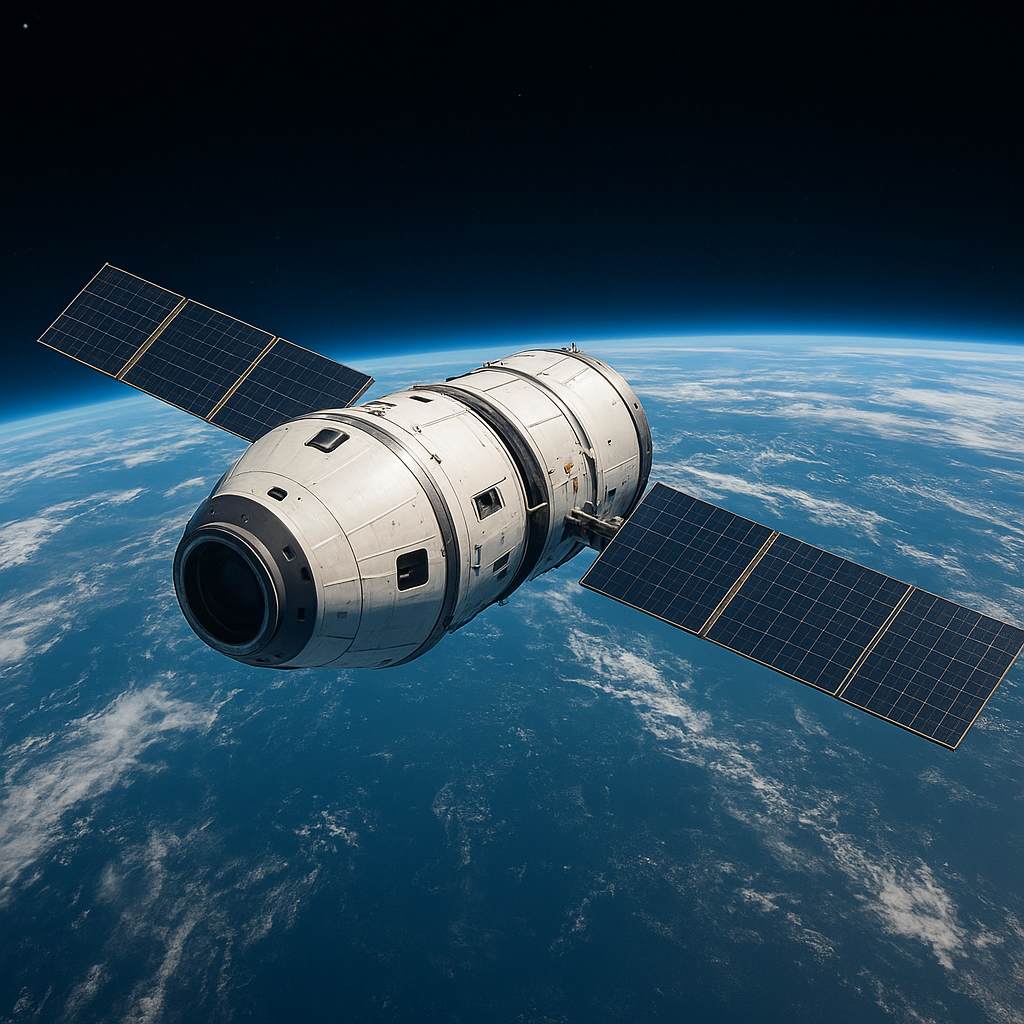
Stepping beyond the Kármán line does more than just offer bragging rights; it introduces travelers to a world of sustained microgravity and panoramic vistas. Designing living quarters that balance comfort, functionality, and safety is a significant engineering challenge. The private sector and NASA alike are developing modules that resemble high-end cruise ship staterooms more than cramped research labs.
- Sleeping Quarters: Individual compartments equipped with restraints to prevent drifting during sleep.
- Sanitary Facilities: Vacuum toilets and hygiene stations adapted to fluid behavior in weightlessness.
- Dining Areas: Rehydration stations and spill-proof containers ensure meal times are both safe and pleasurable.
- Entertainment Systems: Virtual reality headsets and panoramic windows for Earth observation.
Beyond mere utility, experience design is paramount. Many orbital tourists will have limited training compared to professional astronauts, so intuitive interfaces, automated life-support checks, and real-time mission support are indispensable features. Companies are even exploring sensory augmentation, such as LED walls projecting Earth imagery, to maximize the aesthetic appeal of an orbital stay.
Regulatory and Safety Challenges
The allure of space tourism comes with a host of regulatory complexities. National aviation authorities, like the Federal Aviation Administration (FAA) in the United States, have begun issuing commercial launch licenses and formulating safety standards for crewed spaceflight. But global harmonization remains a long-term goal. As more countries develop launch capabilities, aligning international rules on liability, environmental impact, and passenger rights becomes essential.
Safety is non-negotiable. Every launch sequence, docking maneuver, and re-entry corridor introduces risk. Companies invest heavily in redundant systems: backup parachutes, dual power supplies, and emergency abort engines. Astronaut training programs, once exclusive to government agencies, are evolving to suit private travelers. Shortened curricula focus on essential skills—advanced medical training, zero-gravity orientation, and spacecraft operations—without compromising rigorous performance standards.
Insurance is another hurdle. Insurers must assess the probability of incident scenarios in an industry that lacks a long actuarial history. Premiums are high, prompting several carriers to partner with governments or accept co-insurance models. Over time, as flight data accumulates and reliability improves, insurance rates are expected to decline, mirroring the trajectory of early commercial aviation.
The Future of Space Tourism
Looking ahead, experts anticipate a booming market for orbital stays, lunar flybys, and even point-to-point high-speed Earth travel via suborbital hops. Several key trends will define this expansion:
- Space Hotels: Concepts like the Axiom Station aim to attach commercial modules to the International Space Station, offering multi-day vacation packages with full amenities.
- Lunar Excursions: Companies are proposing spacecraft capable of orbiting the Moon or landing on its surface, extending the reach of tourists beyond low Earth orbit.
- High-Capacity Rideshares: Bulk cargo missions already share rides to orbit; analogous passenger services could reduce costs per seat by distributing launch expenses.
- Spaceports Worldwide: Infrastructure expansion in Asia, Europe, and the Middle East will diversify departure sites, reducing geopolitical bottlenecks.
Investment in related technologies—such as in-space manufacturing, radiation shielding, and autonomous robotics—will further enrich the toolkit available to space hoteliers and tour operators. Private capital and public-private partnerships are channeling billions into research and development, indicating robust confidence in a market poised for exponential growth.
The era of commercial space tourism is no longer an abstract vision. With repeated successes in crewed orbital launches, evolving regulatory frameworks, and innovative habitat designs, the stage is set for the first wave of tourists to gaze upon Earth from above, float in weightlessness, and reclaim the phrase vacation in orbit as a lived reality.