
The Moon has captivated humanity for millennia, guiding sailors, inspiring poets, and shaping the natural world in profound ways. While it appears as a serene, glowing orb in our night sky, its influence extends far beyond mere aesthetics. This article explores how the Moon’s presence affects life on Earth through its gravitational pull, cycles that govern biological processes, cultural expressions, and the promise of future exploration.
Gravitational Influence on Tides
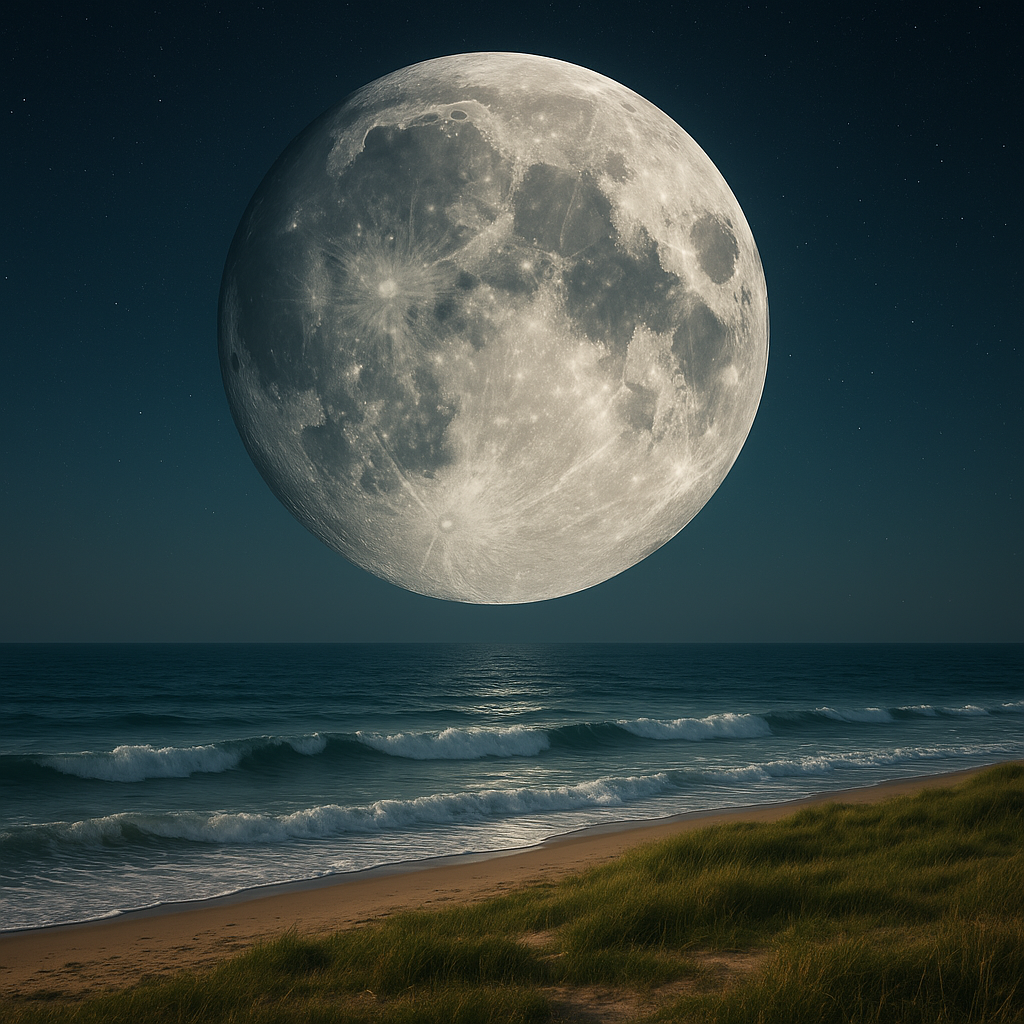
The most obvious effect of the lunar presence is its role in generating oceanic tides. As the Moon orbits Earth, its gravitational attraction pulls on the planet’s water, creating bulges that we observe as high tides. Opposite these bulges, centrifugal force generates a second high tide, leading to two high and two low tides each lunar day. Coastal communities and marine ecosystems have adapted to these predictable rhythms.
Mechanics of Tidal Forces
- The Moon’s pull varies with its phase and distance from Earth, causing spring and neap tides.
- Perigee (closest approach) leads to especially strong tides, known as perigean spring tides.
- Apogee (farthest distance) results in weaker tidal bulges.
When the Sun, Earth, and Moon align during full or new moons, their combined gravitational forces produce the highest spring tides. Conversely, when the Sun and Moon form a right angle relative to Earth, neap tides are at their lowest amplitude.
Ecological Impact of Tides
Intertidal zones are among the most productive marine habitats on the planet. Creatures such as crabs, mussels, and anemones endure periodic inundation and exposure, evolving specialized adaptations for survival. High tides facilitate nutrient exchange and nutrient-rich sediments, while low tides allow sunlight to penetrate shallow waters, enabling photosynthesis by seaweeds and phytoplankton. The ecosystem balance in coastal wetlands depends on this continuous ebb and flow.
Biological and Ecological Rhythms
Beyond physical tides, the Moon’s cycle influences the internal rhythms of many organisms. Whereas many species follow daily circadian clocks synchronized with sunlight, others have evolved circalunar patterns that track the roughly 29.5-day lunar cycle.
Lunar Cycles in Marine Life
- Coral spawning events often occur on specific nights when the full or new Moon peaks, ensuring synchronized release of eggs and sperm.
- Some fish and invertebrate migrations align with tidal changes, minimizing predation risk and optimizing feeding opportunities.
- Marine worms, such as Platynereis dumerilii, display precise reproductive timing tied to lunar phases.
These synchronized behaviors enhance biodiversity by increasing reproductive success and genetic mixing. Researchers continue to study lunar cues—such as reflected moonlight and subtle changes in tidal pressure—to understand the molecular mechanisms behind this synchronization.
Effects on Terrestrial Organisms
On land, evidence suggests that certain animals, including birds and mammals, modify their activities based on moonlight intensity. Predators may hunt more effectively during a full Moon, while prey species adjust foraging patterns to reduce exposure. Insects like termites and mosquitoes may alter their mating rhythms in response to lunar illumination. Some scientists have even proposed links between human sleep cycles and lunar phases, though these remain subjects of debate.
Historical and Cultural Perspectives
Humans have woven the Moon into calendars, religious ceremonies, and architecture for thousands of years. Its consistent cycle provided an early framework for measuring time before the advent of mechanical clocks.
Calendars and Timekeeping
- The Islamic Hijri calendar remains purely lunar, with months beginning at each new Moon sighting.
- Hebrew and Chinese calendars use lunisolar systems, adjusting with intercalary months to keep lunar months in sync with seasons.
- Ancient structures like Stonehenge and the Newgrange passage tomb in Ireland align with lunar and solar events, reflecting sophisticated astronomical architecture.
These timekeeping methods impacted agricultural planning, religious festivals, and social organization. Even today, holidays such as Easter and Ramadan shift dates each year according to lunar cycles.
Myths and Folklore
In myriad myths, the Moon embodies deities, spirits, and cosmic forces. Werewolves and nocturnal transformations draw from the belief that lunar energy can alter minds and bodies. Indigenous cultures across the globe attribute healing and fertility powers to specific lunar phases. Lunar eclipses, once feared as foreboding omens, are now understood scientifically but still inspire awe.
Future Implications and Ongoing Research
As humanity sets its sights on returning to the Moon and establishing a permanent presence, understanding how lunar conditions affect life will become crucial. Scientists study how reduced gravity and increased radiation on the lunar surface may influence human health, plant growth, and microbial communities.
Lunar Habitats and Agriculture
- Greenhouse experiments simulate lunar soil (regolith) to test crop viability under low gravity and limited water resources.
- Controlled lighting systems mimic Earth’s day-night cycle to support plant photosynthesis and nutritional value.
- Closed ecological life support systems integrate algae and bacteria to recycle air and waste.
Long-term lunar bases will rely on in-situ resource utilization, excavating water ice from permanently shadowed craters for drinking, oxygen production, and fuel. Mastering these technologies on the Moon will pave the way for deeper exploration of Mars and beyond.
Continued Study of Lunar Influence
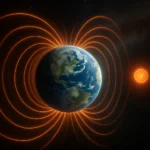
Ground-based and orbital observatories track subtle variations in Earth’s rotation speed caused by tidal friction, refining models of Earth-Moon evolution. Space agencies plan missions to deploy seismometers, heat flow sensors, and magnetometers across the lunar surface, shedding light on the Moon’s formation and internal structure. These data will inform how Earth-Moon gravitational interactions may continue to evolve over billions of years.
Technological Advancements Inspired by the Moon
Research on lunar environments has produced innovations applicable on Earth. Robotics designed for autonomous lunar rover operations have led to advancements in remote surgery, search-and-rescue drones, and subterranean inspection bots. Energy storage systems for lunar night cycles drive progress in battery technology and renewable energy integration.
Communications and Navigation
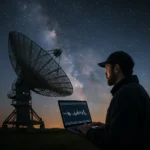
- Development of lunar relay satellites for constant connection with Earth has enhanced deep-space network design.
- High-precision GNSS (Global Navigation Satellite System) adaptations allow navigation in regions without traditional GPS coverage.
- Laser communication experiments promise higher data rates for Earth-to-space and interplanetary links.
The Moon’s unique environment serves as an unparalleled testbed for refining technologies that address global challenges, from climate monitoring to disaster response.
Conclusion
Through its gravitational pull, cyclical illumination, and cultural significance, the Moon remains an integral partner in Earth’s story. Its influence on ecosystems, human societies, and future space endeavors highlights a complex relationship that evolves with our growing knowledge and ambition. As researchers and explorers look skyward, the Moon continues to inspire awe and drive innovation, reminding us that even a distant celestial neighbor can have profound effects on life down below.