




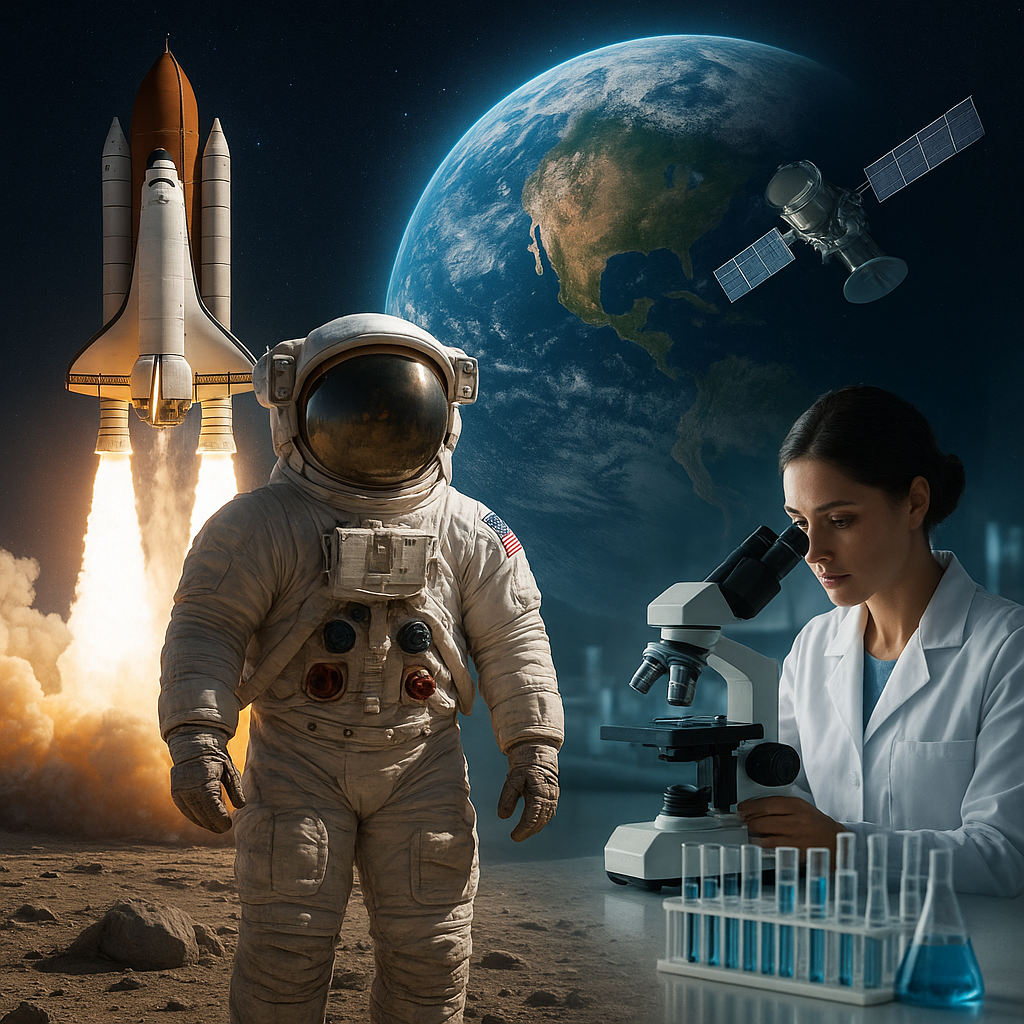
Exploring the vast expanse beyond our planet has yielded countless advantages that directly improve life on Earth. From groundbreaking technological breakthroughs to critical insights about climate change, the quest to understand the universe sparks progress in areas as diverse as medicine, environmental management, and global education. This article delves into the multifaceted benefits of space exploration and highlights how reaching for the stars fuels advancements for everyone on our home planet.
Technology and Innovation on Earth
Decades of missions to orbit and beyond have driven unprecedented strides in innovation. Research conducted in microgravity environments and the need to operate reliably in space have pushed engineers and scientists to develop tools and systems that find everyday uses on Earth:
- Satellite Communications: Satellites orbiting Earth make broadband internet, live television broadcasts, and global phone service possible even in remote regions.
- Advanced Materials: Heat-resistant coatings, ultra-lightweight composites, and durable alloys designed for spacecraft now appear in aircraft, sports equipment, and protective gear.
- GPS and Navigation: Originally intended to guide spacecraft, satellite-based positioning systems have become indispensable tools for transportation, agriculture, and emergency response.
- Robotic Systems: Robotic arms and autonomous probes used in space missions have inspired surgical robots and automated manufacturing lines on Earth.
These innovations underscore how the demands of exploring harsh extraterrestrial environments accelerate the development of solutions that enhance productivity, safety, and connectivity across the globe.
Environmental Monitoring and Climate Research
Observing Earth from space offers an unparalleled vantage point for assessing our planet’s health. Satellites and orbital sensors deliver rich streams of data about weather patterns, land use, and ocean conditions:
- Deforestation Tracking: High-resolution imagery reveals changes in forest cover, supporting efforts to combat illegal logging and preserve vital ecosystems.
- Atmospheric Analysis: Instruments measuring greenhouse gases, ozone levels, and aerosols help scientists model climate dynamics and predict extreme weather events.
- Water Resource Management: Monitoring freshwater reserves, soil moisture, and river flows improves drought preparedness and informs sustainable agriculture practices.
- Natural Disaster Response: Rapid imaging of areas hit by hurricanes, floods, or wildfires enables faster assessment of damage and more effective relief operations.
By harnessing space-based observations, researchers and policymakers gain critical insights that guide conservation efforts and shape strategies aimed at mitigating the effects of global warming.
Health and Medicine Advancements
Space exploration’s unique environment—especially the absence of Earth’s gravitational pull—has opened new frontiers in biomedical research. Experiments conducted aboard space stations and high-altitude platforms yield discoveries with far-reaching medical applications:
- Bone and Muscle Studies: Microgravity accelerates bone density loss, allowing scientists to investigate osteoporosis treatments more rapidly than on Earth.
- Drug Development: Protein crystal growth in space produces purer structures, aiding pharmaceutical research and leading to more effective medications.
- Telemedicine: Technologies created to monitor astronauts’ vital signs remotely pave the way for remote diagnostics and healthcare delivery in underserved regions.
- Infection Control: Closed-loop life support systems and stringent microbial monitoring in spacecraft inform sterilization techniques in hospitals.
Collectively, these advances improve patient outcomes, enhance preventive care, and extend cutting-edge treatments to wider populations.
Education, Inspiration, and Global Collaboration
The allure of the cosmos captivates minds young and old, fueling interest in science, technology, engineering, and mathematics. Educational programs tied to space missions boost proficiency and enthusiasm in STEM fields:
- Student Experiments: Youth-designed projects flown aboard research platforms foster hands-on learning and spark curiosity about scientific inquiry.
- Public Outreach: Live broadcasts from the International Space Station and interactive virtual tours engage audiences worldwide, breaking down cultural and geographic barriers.
- Collaboration Networks: International partnerships in space agencies promote diplomatic ties and collective problem-solving on both extraterrestrial and Earthly challenges.
- Cultural Exchange: Joint missions often include multicultural crew members, demonstrating the unifying power of shared exploration goals.
Through these initiatives, space programs nurture the next generation of innovators and strengthen bonds among nations committed to peaceful discovery.
Economic Growth and Infrastructure Development
Investments in space exploration yield significant economic returns, spawning new industries and creating high-skilled jobs. The ripple effects of these activities include:
- Commercial Launch Services: Private companies offering satellite deployment and cargo transport to space stations have exploded into a thriving sector.
- Ground Support Facilities: Launch complexes, mission control centers, and research laboratories stimulate infrastructure improvements and regional development.
- Innovation Clusters: Technology parks and incubators often coalesce near spaceports, attracting start-ups specializing in robotics, materials science, and software engineering.
- Spinoff Ventures: Space-derived technologies lead to spinout companies addressing challenges from renewable energy storage to autonomous vehicles.
The dynamic interplay between governmental agencies and private enterprises ensures that funds allocated to space exploration translate into tangible economic growth and societal benefits.
Advancing Earth’s Future Through Cosmic Endeavors
Venturing into space is not merely a quest for knowledge about distant worlds; it is a catalyst for progress on Earth. By championing cutting-edge research and fostering international cooperation, humanity leverages the rigors of spaceflight to redefine what is possible in everyday life. From safeguarding our environment to revolutionizing healthcare and inspiring the next generation, the legacy of space exploration continues to shape our destiny on this planet.