


The vast expanse beyond Earth’s atmosphere remains largely hidden to the human eye, yet radio astronomy has opened a window into the cosmos that reveals a wealth of previously invisible phenomena. By capturing radio waves emitted by celestial objects, astronomers can map structures across the universe, from the turbulent heart of our own Milky Way to the most distant galaxy clusters. This article explores the instruments, techniques, and discoveries that position radio astronomy at the forefront of modern space exploration.
Capturing the Invisible Universe with Radio Telescopes
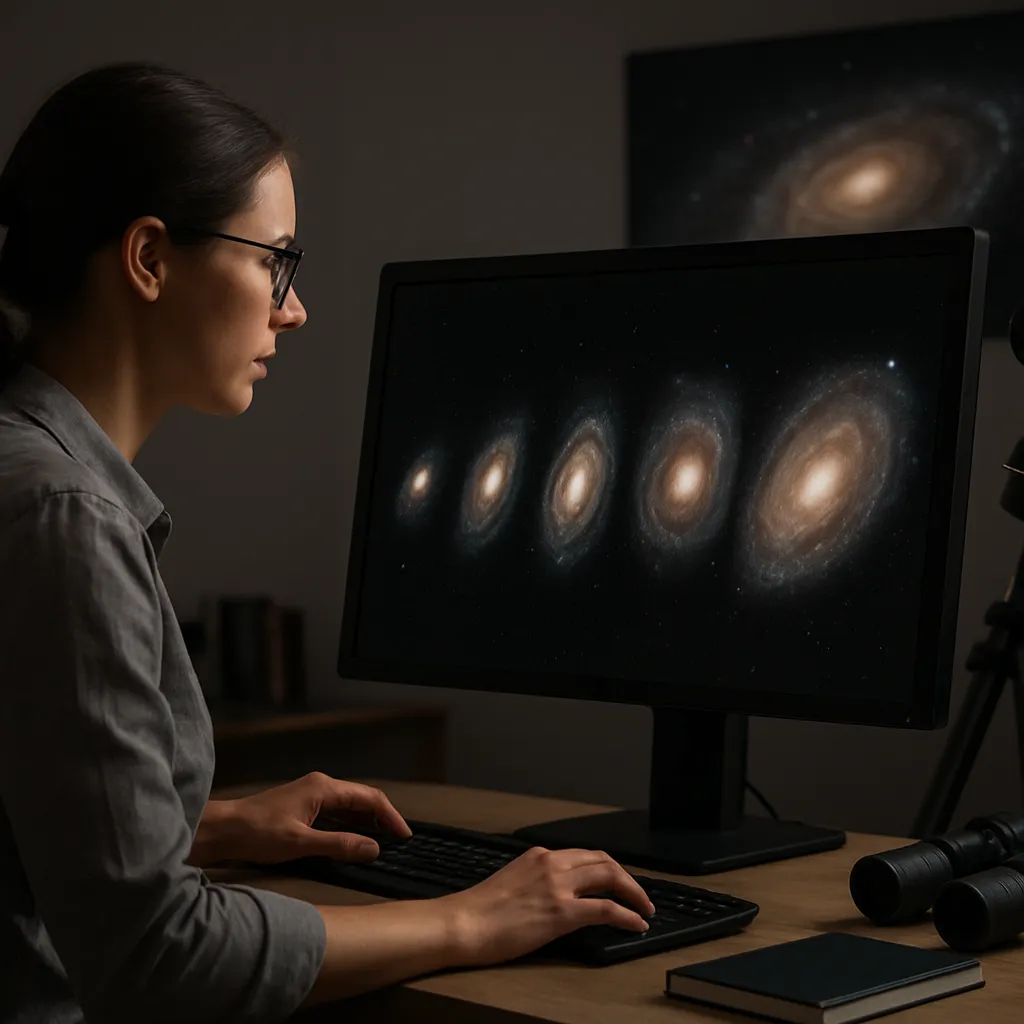
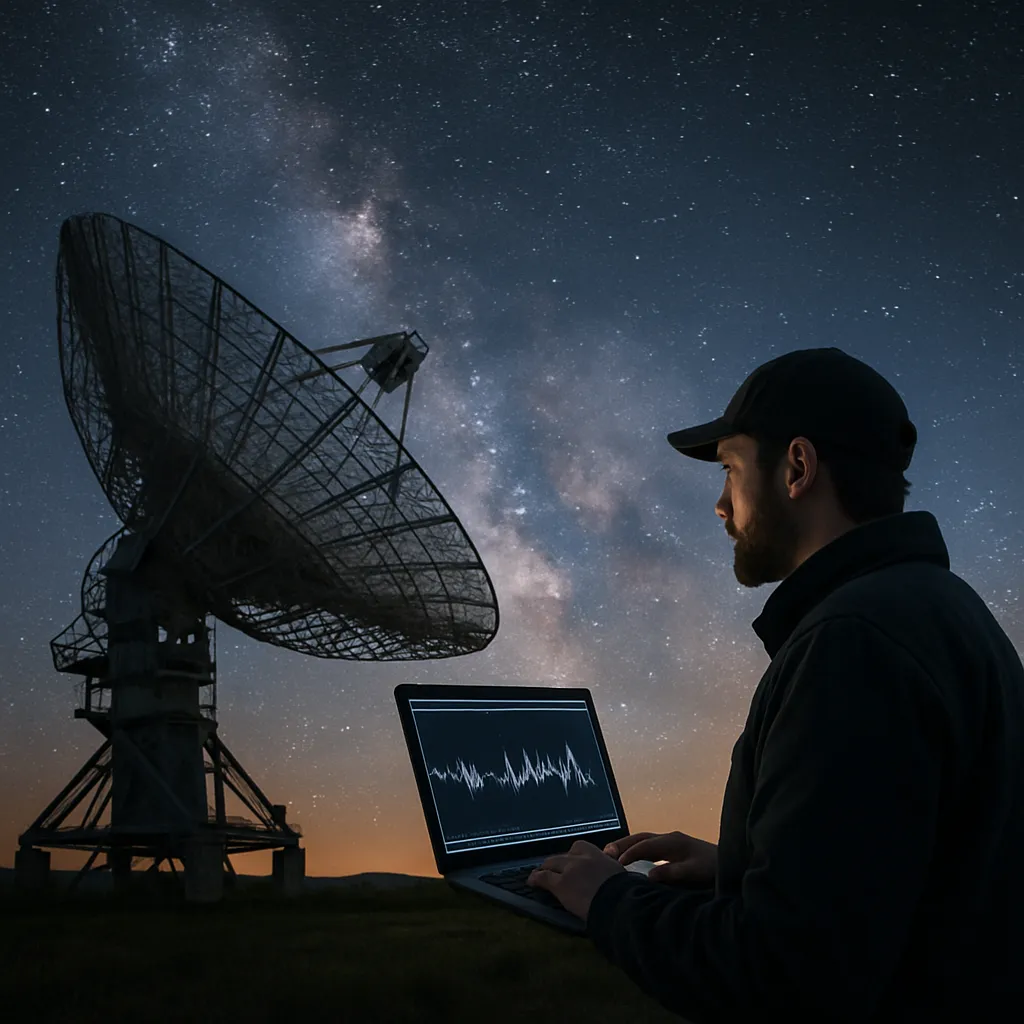
Unlike optical telescopes that rely on visible light, radio telescopes detect electromagnetic radiation at much longer wavelengths. These signals pierce through clouds of dust and gas, unveiling regions that would otherwise remain shrouded. Large parabolic dishes and arrays of smaller antennas, often located in remote desert valleys or high plateaus, work in concert to collect faint radio emissions from deep space.
Each radio observatory is equipped with precision-engineered antennas that focus incoming waves onto sensitive receivers. These receivers amplify the weak cosmic signals, converting analog waveforms into digital data. Locations with minimal human-made interference are chosen to ensure maximum clarity: even stray cell phone towers can overwhelm the delicate measurements.
The sheer scale of some telescopes is staggering. The world’s largest filled-aperture instrument can span hundreds of meters in diameter, while cutting-edge facilities employ networks of dishes separated by kilometers. This approach enhances resolution through interferometry, effectively synthesizing a single, gigantic telescope. Interferometric techniques have yielded some of the sharpest images in radio astronomy, rivaling those of the Hubble Space Telescope in certain respects.
Radio observatories around the globe collaborate on international campaigns. By combining data from multiple sites, astronomers minimize noise and maximize sensitivity, unveiling structures that would be invisible to any single instrument. The synergy of these global efforts is critical for tracking transient phenomena like fast radio bursts and monitoring variable sources such as pulsars and active galactic nuclei.
Main Techniques in Radio Observation
Spectral Line Studies
Spectral analysis of radio frequencies allows scientists to identify the chemical composition and physical conditions of interstellar clouds. Molecules emit radio photons at characteristic frequencies, producing a “fingerprint” that can be detected across vast distances. By measuring these emission lines, astronomers gauge temperature, density, and motion within star-forming regions.
Continuum Mapping
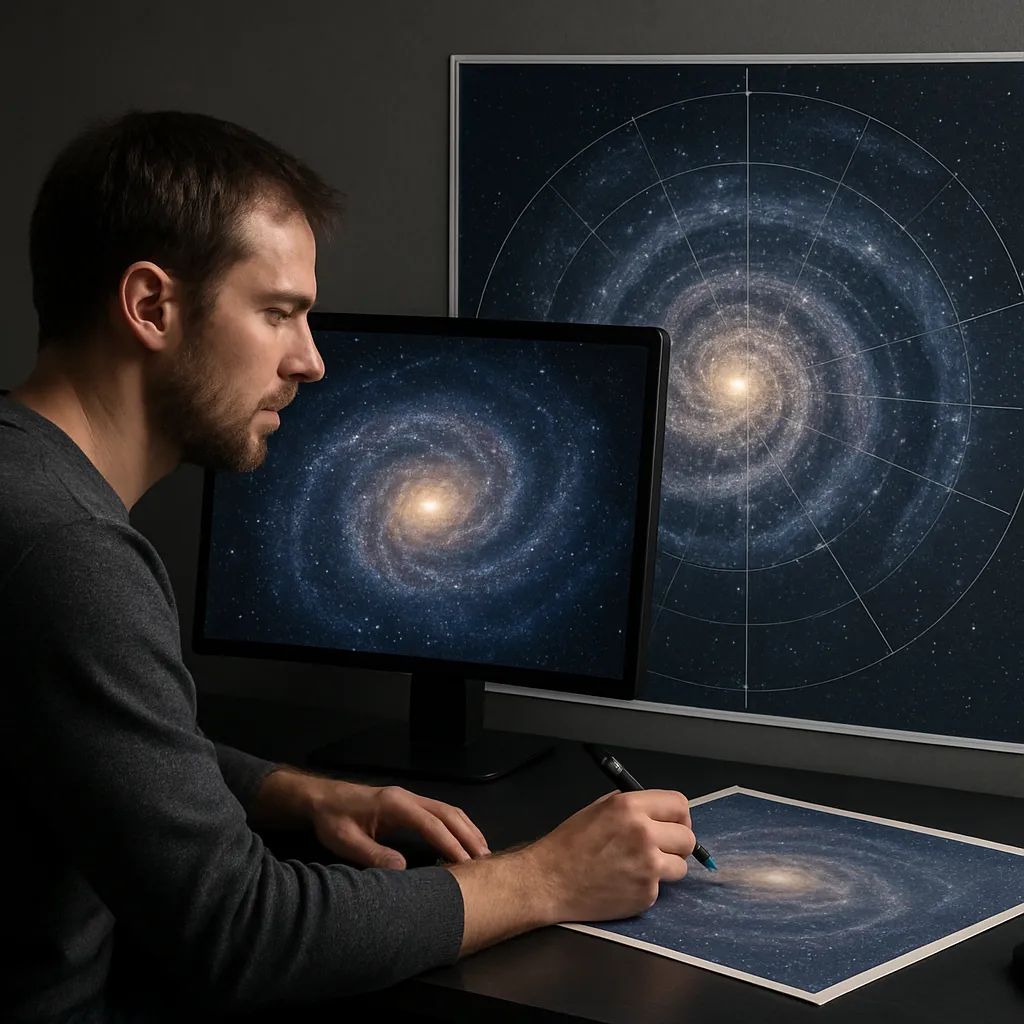
Continuum observations capture broadband emissions from various sources. Thermal radiation from hot ionized gas and non-thermal synchrotron radiation from relativistic particles both contribute to the continuum background. Mapping this emission across different wavelengths helps disentangle overlapping sources, painting a comprehensive picture of complex environments.
Polarization Measurements
By measuring the orientation of radio wave oscillations, astronomers explore magnetic fields threading through galaxies and clusters. Polarization data reveal field strength and geometry, shedding light on processes like cosmic ray acceleration and jet formation in active galactic nuclei. These insights are essential for understanding the role of magnetism in cosmic evolution.
Underpinning all these methods is advanced signal processing. Sophisticated algorithms filter out terrestrial interference and thermal noise, extract weak signals, and reconstruct images from raw data. Modern supercomputers and machine learning tools now automate many steps, accelerating the pace of discovery.
Revealing Cosmic Phenomena
Radio astronomy has revolutionized our view of the universe, uncovering phenomena that are invisible at optical wavelengths. From the remnants of supernova explosions to the whispers of the universe’s earliest epochs, radio observations have expanded our cosmic horizon.
- Pulsars: Rapidly rotating neutron stars emit beams of radio waves like a cosmic lighthouse. Timing their pulses to sub-microsecond precision has enabled tests of general relativity and the detection of gravitational waves via pulsar timing arrays.
- Cosmic Microwave Background: This faint afterglow from the Big Bang peaks at microwave frequencies. Detailed mapping of its temperature fluctuations has provided strong evidence for the universe’s inflationary origin and precise cosmological parameters.
- Galaxy Clusters: Large-scale radio surveys reveal diffuse synchrotron emission surrounding massive clusters of galaxies. These “radio halos” trace turbulent magnetic fields and high-energy particles stirred by cluster mergers.
- Interstellar Medium: Radio lines from atomic hydrogen and complex organic molecules allow astronomers to map the interstellar medium across the Milky Way, studying the processes that lead to star and planet formation.
Beyond these major discoveries, radio telescopes detect signals from active regions around black holes, probe the environments of exoplanets, and even search for technosignatures—potential evidence of extraterrestrial technologies.
Future Directions and Challenges
Next-generation facilities promise unprecedented sensitivity and resolution. Projects like the Square Kilometre Array (SKA) will deploy thousands of dishes and millions of low-frequency antennas across continents. When completed, the SKA will survey the sky faster and deeper than any existing instrument, offering fresh insights into cosmic magnetism, galaxy evolution, and dark energy.
However, these ambitious endeavors face technical and logistical hurdles. Constructing and maintaining vast arrays in remote locations requires robust infrastructure and international coordination. Data volumes from these telescopes will reach exabytes per year, demanding new advances in storage, analysis, and cloud computing.
As radio astronomy evolves, synergies with other disciplines grow stronger. Multi-messenger astronomy combines radio data with observations in optical, X-ray, gamma-ray, and gravitational-wave bands. This integrated approach grants a holistic view of transient events like neutron-star mergers, unlocking the physics of extreme environments.
Ultimately, radio astronomy’s power lies in its ability to reveal the unseen. By harnessing observatories equipped with cutting-edge technology, astronomers will continue to chart the universe’s hidden realms, shedding light on its origin, structure, and destiny.