



Astronomers have long been fascinated by the existence of planets that wander the Milky Way untethered to any host star. These mysterious rogue worlds drift through interstellar space, offering unique insights into planetary formation, dynamics, and the diversity of objects in our galaxy. Detecting such elusive bodies requires an arsenal of specialized techniques and instruments, each tailored to capture fleeting signals from these dim, nomadic spheres.
Methods of Detection
Gravitational Microlensing
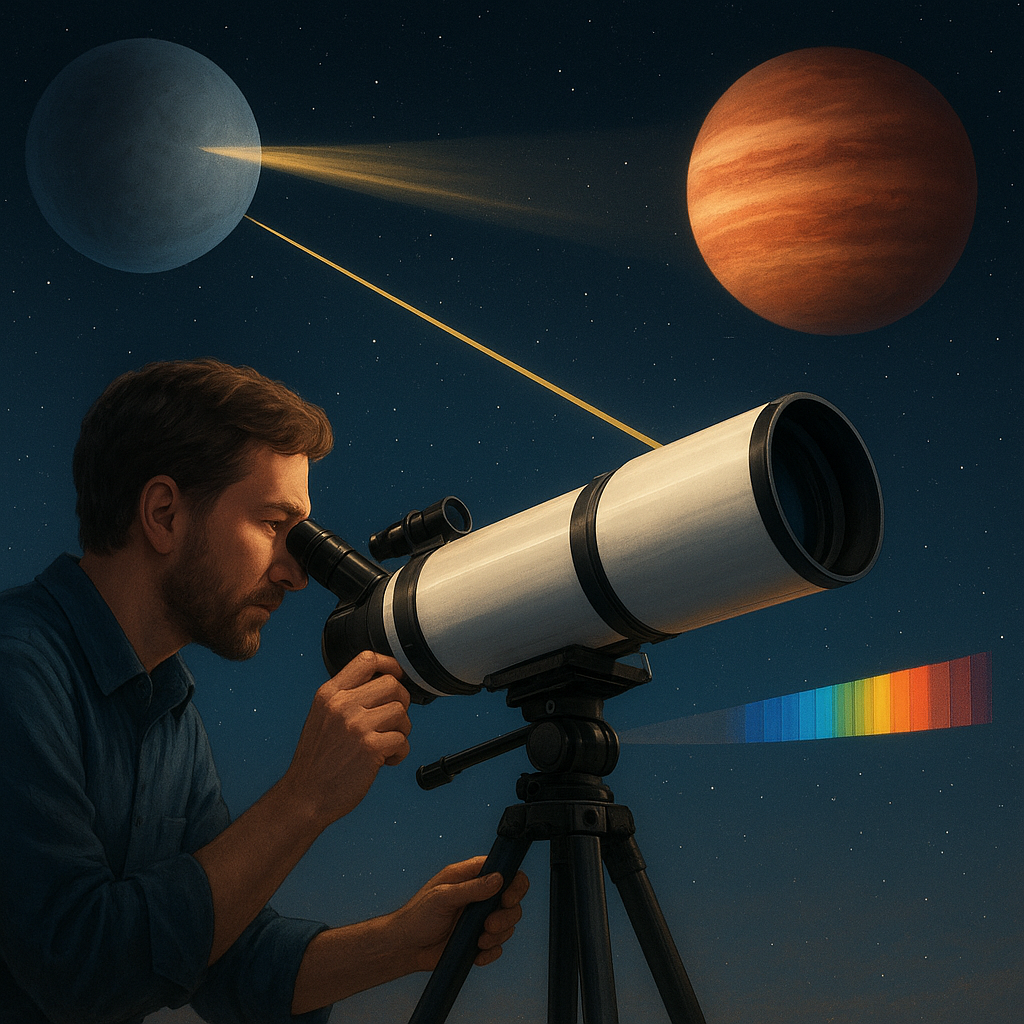
One of the most powerful tools in the hunt for free-floating planets is gravitational microlensing. When a massive object, such as a star or planet, passes between an observer on Earth and a distant background star, the gravitational field of the foreground object acts as a lens. This lens bends and magnifies the light of the background star, producing a characteristic light curve. If a rogue planet is the lens, it will generate a brief, subtle spike in brightness lasting from hours to days.
- Microlensing surveys monitor millions of stars in the dense bulge of the Milky Way.
- Detection relies on precise measurement of brightness changes using networks of ground-based telescopes.
- Space missions like the Nancy Grace Roman Space Telescope will dramatically increase sensitivity to low-mass, free-floating planets.
Direct Infrared Imaging
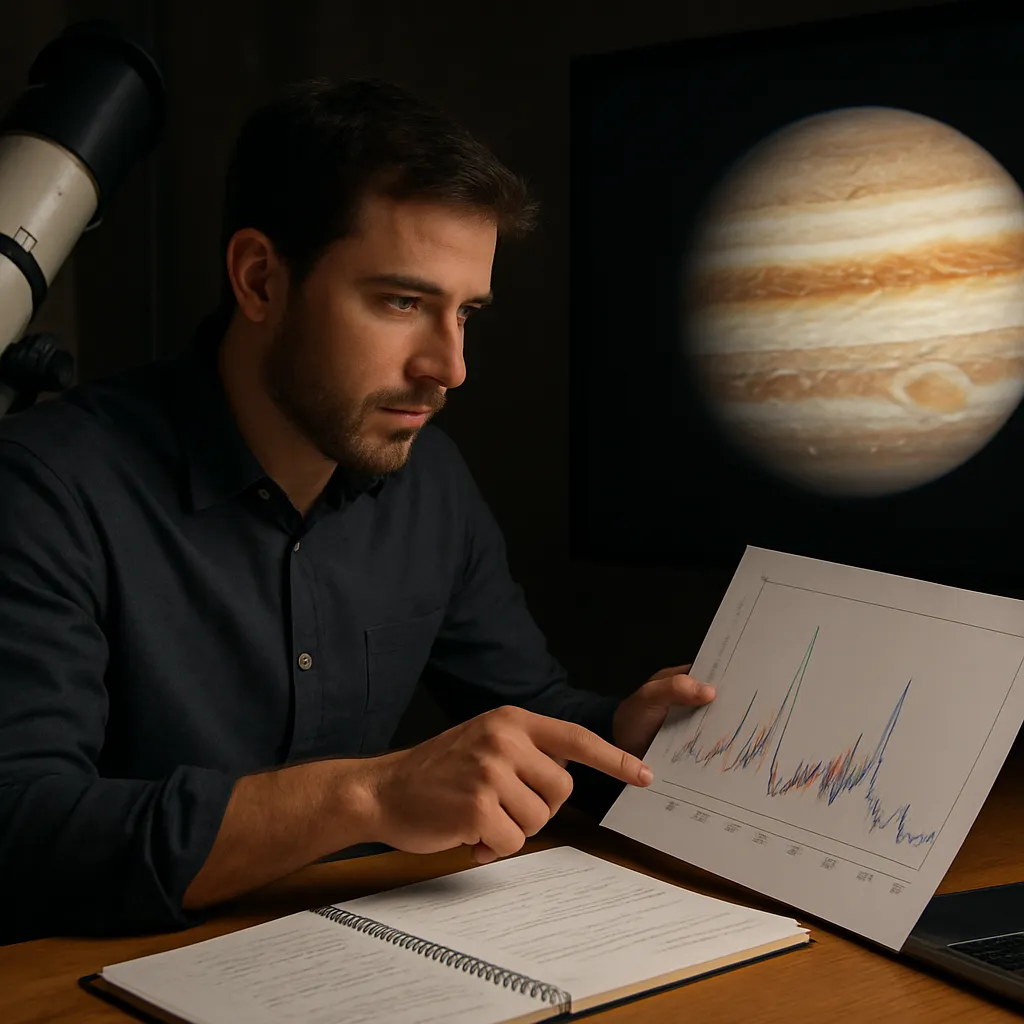
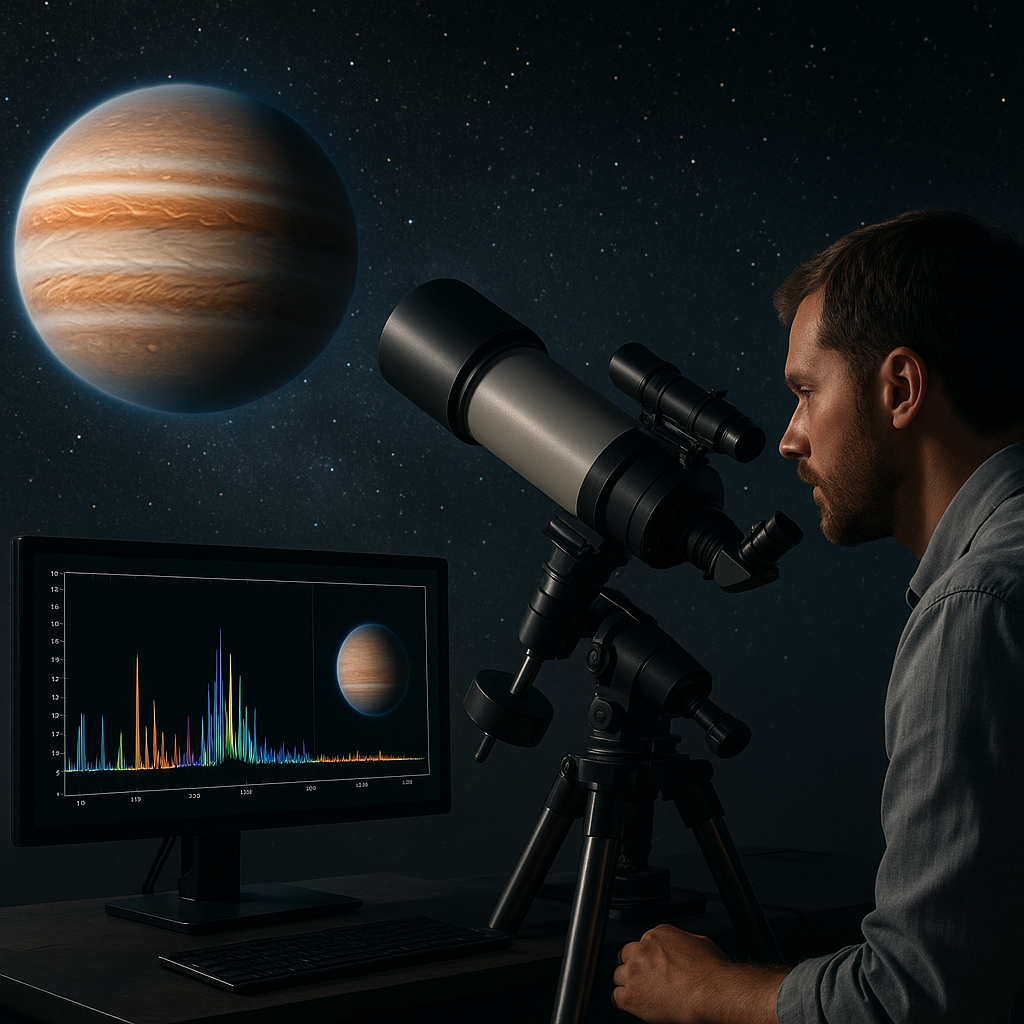
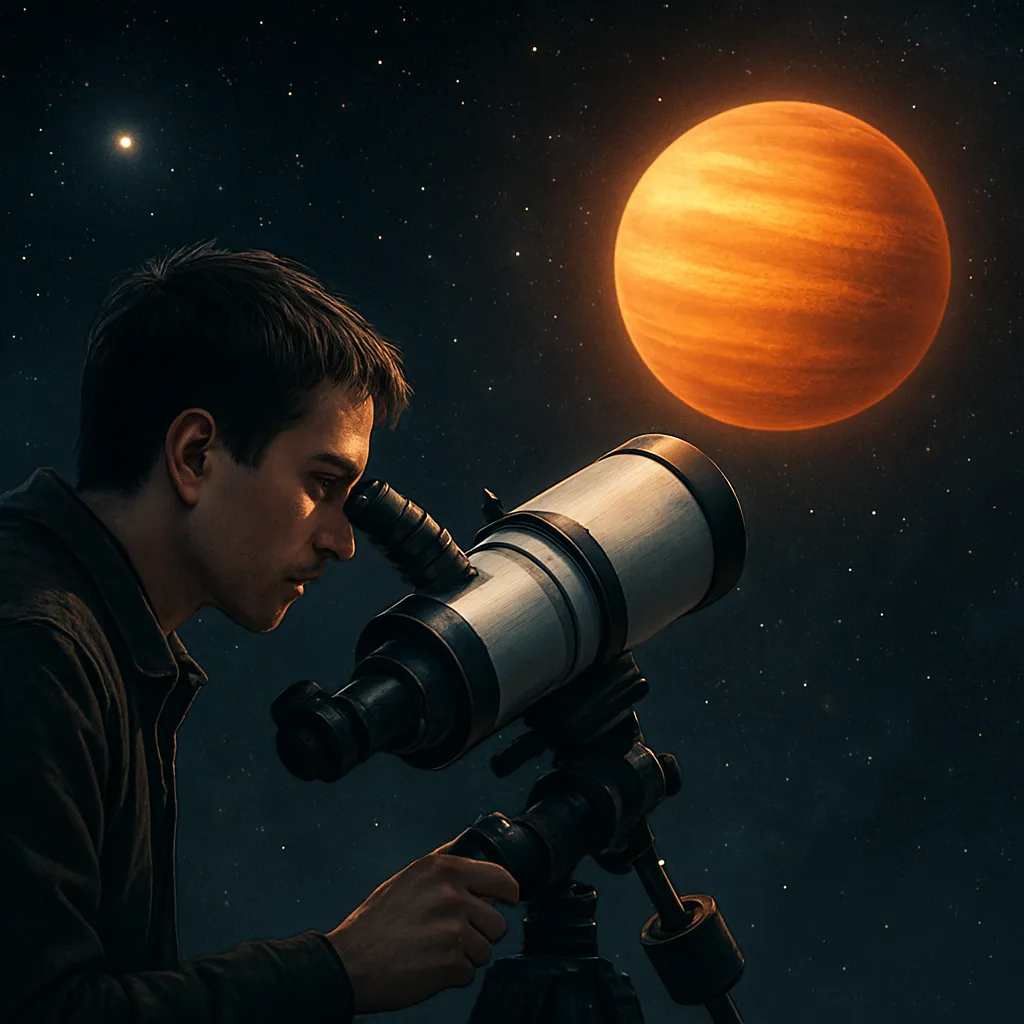
Another approach involves capturing the faint thermal glow of a rogue planet. Without the glare of a nearby star, these bodies emit most of their energy in the infrared spectrum due to residual heat from their formation. Advanced instruments equipped with adaptive optics on large ground-based telescopes, as well as dedicated space observatories, can directly image these objects if they are relatively young and massive enough to still be warm.
- Facilities like the Very Large Telescope (VLT) and the future James Webb Space Telescope (JWST) are optimized for deep infrared surveys.
- Coronagraphic masks help suppress background noise and isolate the faint signal.
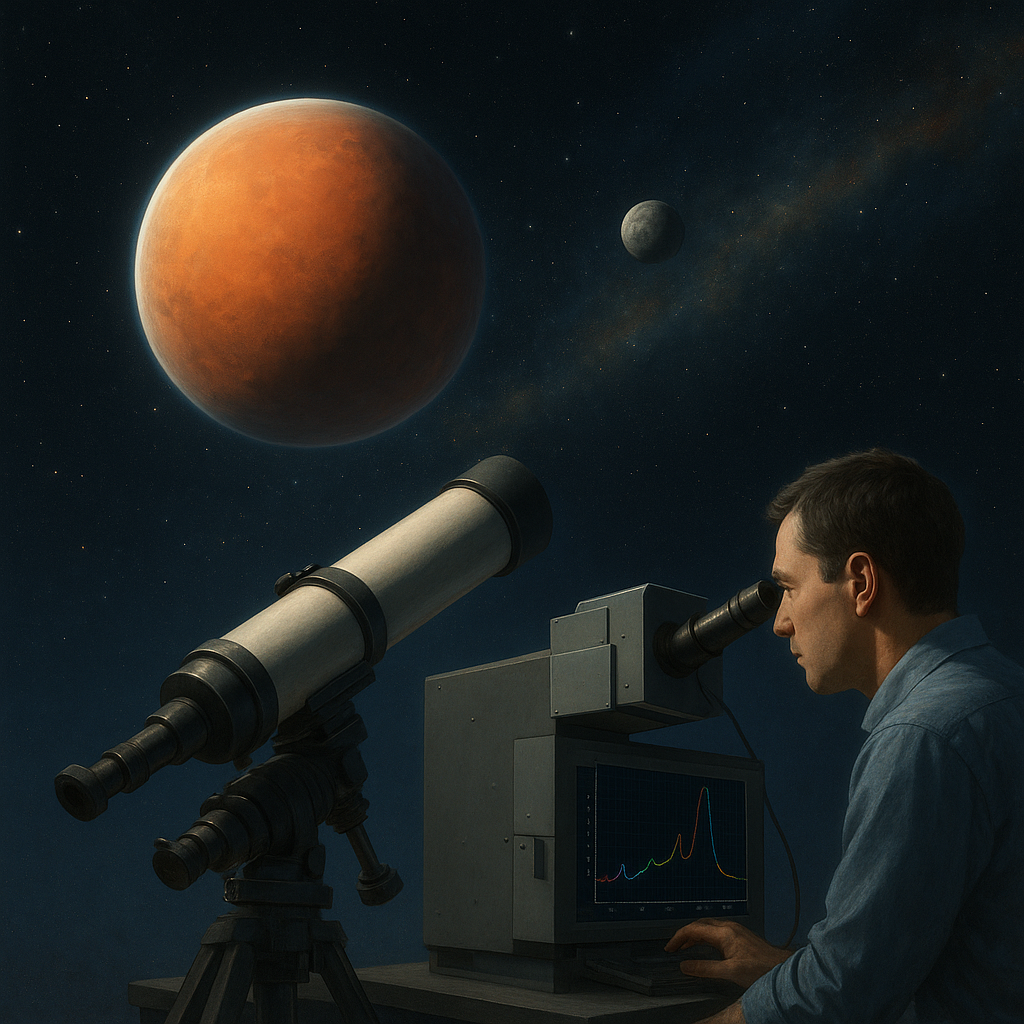
- Follow-up photometry and spectroscopy confirm the planetary nature by measuring temperature, radius, and atmospheric composition.
Astrometric Techniques
Precise measurement of a star’s position over time can reveal the gravitational influence of an unseen companion. While this method is more commonly applied to planets orbiting stars, it can also detect passing rogue bodies when they induce tiny perturbations in the positions of background stars. The European Space Agency’s Gaia mission excels in high-precision astrometry, charting the positions and motions of over a billion stars. Unexpected deviations in these tracks can hint at a massive interloper moving across the field of view.
Wide-Field Planetary Surveys
Dedicated surveys scan vast regions of the sky to catalog faint, moving objects. Using wide-field cameras on both ground and space telescopes, astronomers track the motion of candidates across multiple epochs. Slow-moving dots that exhibit thermal emission in the infrared and lack an optical counterpart are prime detection targets. Data mining and machine learning algorithms help sift through terabytes of images to identify promising hits for detailed follow-up.
Challenges in Observing Rogue Worlds
Extremely Faint Signals
Rogue planets are intrinsically dim, often billions of times fainter than the stars around them. Detecting their mass or thermal emission pushes instruments to their limits. Atmospheric turbulence, instrumental noise, and zodiacal light all conspire to obscure the weak planetary signature. Long exposure times and multiple observation epochs are essential to distinguish a genuine object from noise and artifacts.
Distinguishing from Brown Dwarfs
Free-floating objects can straddle the boundary between massive planets and low-mass brown dwarfs. Both share similar temperatures and spectral features when isolated. To confirm a planetary mass, astronomers rely on precise measurements of luminosity, spectrum, and age. By placing the object on evolutionary models and comparing it to known substellar objects, one can infer its mass. Too massive, and it qualifies as a brown dwarf; too light, and it remains a bona fide exoplanet.
Implications for Planetary Science
Revising Formation Theories
The mere existence of a population of free-floating planets challenges traditional models of planetary formation, which typically involve accretion within a protoplanetary disk around a parent star. Several scenarios could produce rogue planets:
- Ejection from young planetary systems due to gravitational interactions or close stellar encounters.
- Direct collapse of a gas cloud fragment, similar to star formation but on a smaller scale.
- Capture and subsequent stripping of planets during stellar flybys in dense clusters.
Each pathway leaves distinct imprints on the planet’s initial velocity, composition, and spatial distribution, offering clues to the dynamical history of planetary systems.
Astrobiological Potential
While cold and dark, some rogue planets might harbor subsurface oceans warmed by internal geothermal heat or radiogenic decay. If such an ocean exists beneath an ice shell, it could maintain habitability for eons, independent of stellar radiation. Detecting chemical signatures of life in outgassed plumes or tenuous atmospheres remains a distant but tantalizing possibility, spurring interest in missions capable of deep infrared and radio observations.
Future Prospects
Upcoming facilities will revolutionize our understanding of unbound planetary-mass objects. The Roman Space Telescope’s microlensing campaign promises to detect hundreds of Earth-mass free floaters, while ground-based Extremely Large Telescopes (ELTs) will directly image younger, massive rogue planets in unprecedented detail. Combined with data from Gaia and next-generation infrared surveys, astronomers will piece together the demographics, lifecycles, and origins of these wandering worlds, shedding light on the full spectrum of planetary architecture in our galaxy.