Imagine a world where the thin, invisible veil enveloping our planet vanishes overnight. This delicate shield, composed of nitrogen, oxygen, and trace gases, plays a pivotal role in sustaining every breath we take and every drop of water that flows. Without it, Earth would be exposed to the harshness of space: the blistering heat of the Sun by day, the bone-chilling cold by night, and a constant bombardment of deadly cosmic particles. Exploring the question of what would happen if Earth lost its atmosphere not only highlights the incredible fragility of our planetary ecosystem but also underscores the intricate balance required for life to flourish.
The Fragility of Earth’s Protective Envelope
The Earth’s atmosphere serves as a dynamic barrier, shielding the surface from meteoroids, harmful ultraviolet rays, and corrosive solar winds. This gaseous layer extends roughly 10,000 kilometers above the surface, gradually thinning until it merges with the vacuum of space. Its composition—approximately 78% nitrogen and 21% oxygen—has been finely tuned over billions of years by geological processes and biodiversity. Should even a significant portion of this layer disappear, the planet would face immediate and catastrophic changes.
Key roles of this underappreciated shield include:
- Maintaining atmospheric pressure necessary for liquid water to exist.
- Filtering harmful radiation through the ozone layer.
- Stabilizing global temperature via the greenhouse effect.
- Protecting against solar charged particles with the magnetosphere’s help.
Immediate Catastrophic Effects
In the first few hours following atmospheric loss, the consequences would be swift and brutal. The sudden drop in pressure would transform familiar environments into deadly vacuums.
Loss of Pressure and Exposure to Vacuum
With no air to pressurize our bodies, humans and animals would suffer from ebullism—the formation of gas bubbles in bodily fluids—leading to rapid loss of consciousness and death within minutes. Water on the surface, whether in oceans, lakes, or even within living organisms, would begin to boil and evaporate at any temperature due to the near-zero pressure. The sky would turn pitch-black, revealing a dazzling spectacle of stars and distant galaxies but offering no protection from intense cosmic radiation.
Temperature Extremes and Surface Erosion
One of the most dramatic changes would be the onset of temperature extremes. During daylight hours, the surface could heat to well over 120°C as the Sun’s rays strike directly, unfiltered by atmospheric scattering. At night, temperatures would plummet below –100°C. This cycle of brutal heating and freezing would pulverize rock, creating rapid mechanical erosion and generating vast dust storms in the absence of cohesive air currents. Any standing liquid water would rapidly sublimate into space.
Long-Term Geophysical and Cosmic Ramifications
Even after the initial devastation, Earth would continue to transform in dramatic ways for centuries to come.
Magnetosphere Weakening and Solar Wind Impact
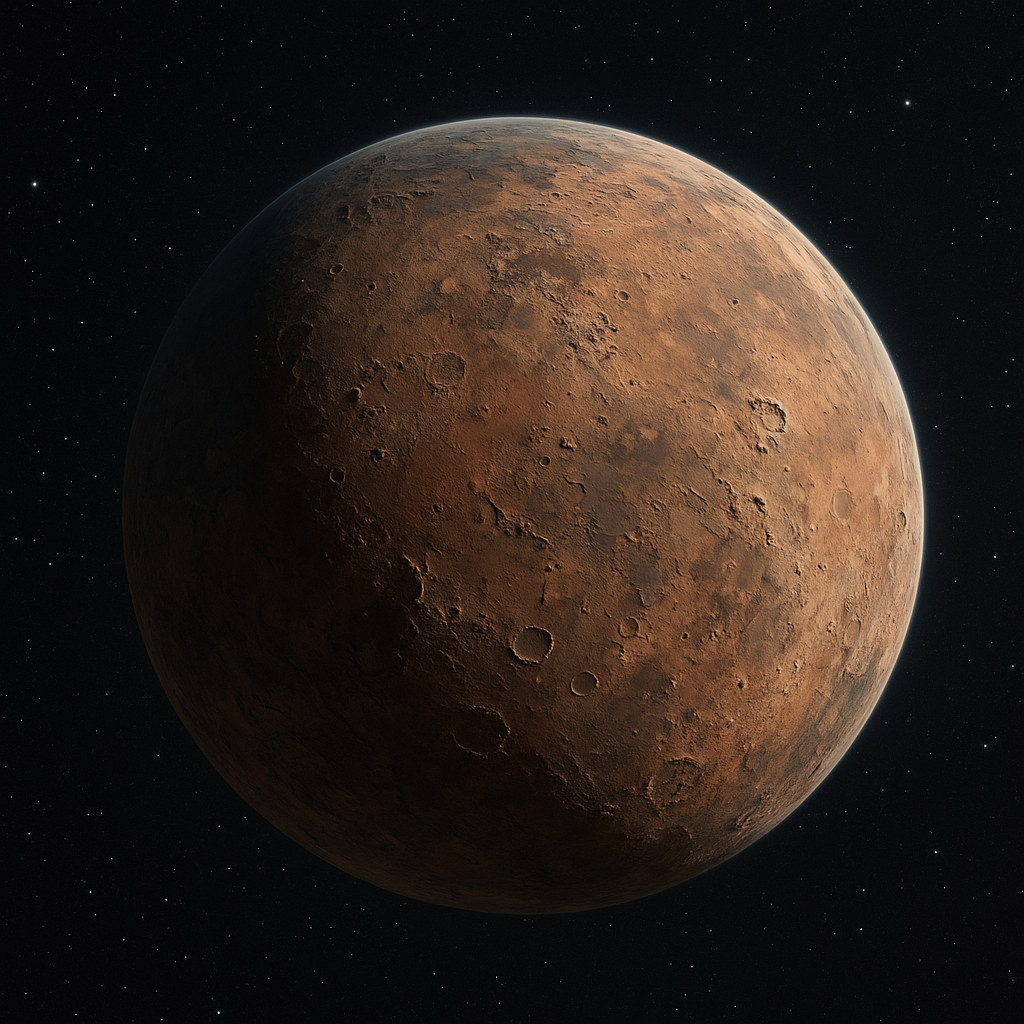
Without atmosphere, the magnetosphere—a magnetic bubble generated by Earth’s core—would be far less effective at deflecting the solar wind. Over time, charged particles would directly strike the surface, gradually sputtering away remaining trace gases and ionizing any residual molecular pockets. Geological evidence from Mars provides a chilling precedent: once-mighty magnetic fields collapsed, allowing the Sun to strip away its atmosphere and leaving a cold, barren world.
Hydrological Cycle Collapse
Water, the cradle of life, would no longer cycle through evaporation, condensation, and precipitation. Oceans would slowly evaporate, only to be lost forever in the vacuum of space. Rivers and lakes would shrink into frozen, patchy ice masses that sublimate under solar heating. The absence of a protective environment would cause global humidity to drop to zero, extinguishing any chance of rain or cloud formation.
Geological Cooling and Tectonics
Earth’s interior heat, driven by radioactive decay and residual formation energy, relies partly on surface insulation provided by the atmosphere and oceans. Without these insulating layers, the planet’s outer crust would cool more rapidly, potentially halting volcanic activity and plate tectonics. Over geological timescales, this would freeze the dynamic processes that recycle carbon and nutrients, making the planet geologically inert.
Biological and Ecological Collapse
The loss of atmosphere spells instant doom for nearly all terrestrial organisms. Plants would no longer perform photosynthesis without carbon dioxide and atmospheric pressure, collapsing the base of the food chain. Animals, deprived of oxygen, would suffocate. Microbes adapted to extreme environments—such as those near hydrothermal vents—might persist underground or deep beneath the ice, where pressure and heat exist. Yet, even extremophiles would face challenges from pervasive radiation and nutrient scarcity.
Implications for Space Exploration and Beyond
An Earth without atmosphere offers a stark analog for other celestial bodies, informing our understanding of habitability. Space agencies could study this scenario to refine life-support systems for long-term missions on the Moon or Mars. Technologies developed to simulate pressure, provide artificial gravity through rotation, and shield astronauts from cosmic rays would be invaluable. Furthermore, the challenge of recreating an atmosphere underscores the complexity of terraforming—if even our planet struggles to retain its own shield.
Potential Salvage Strategies and Geoengineering
Faced with atmospheric loss, any surviving civilization would need radical solutions to avert total annihilation. Possible interventions include:
- Importing volatile-rich material (comets or icy asteroids) to replenish water and gas content.
- Constructing vast orbital mirrors or shades to regulate surface temperature.
- Deploying artificial magnetic coils in orbit to restore the magnetosphere.
- Seeding the upper atmosphere with photochemical agents to rebuild the ozone layer.
Although theoretical, these strategies reveal the monumental engineering feats required to resurrect a planet’s atmosphere. They also stress the importance of preserving the fragile envelope we currently depend on.
Reflecting on Earth’s Singular Gift
The hypothetical loss of Earth’s atmosphere is a sobering thought experiment, illustrating how a few kilometers of gas sustain a vibrant biosphere. It reveals the interdependence of gravity, magnetic fields, and planetary chemistry in crafting a habitable world. As we gaze skyward at other worlds, let us appreciate the intricate tapestry of forces that grants us air to breathe, water to drink, and life to savor.