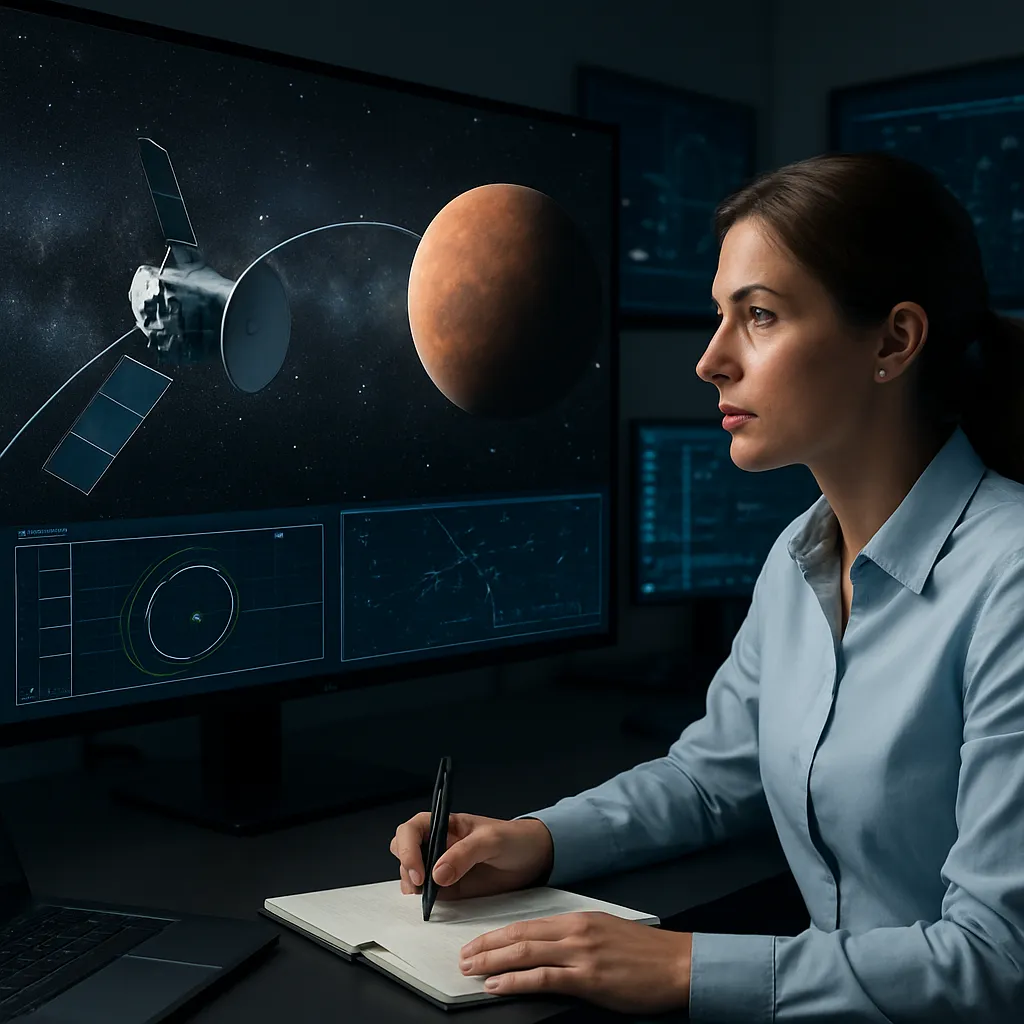




The Potential of Space-Based Solar Power represents a groundbreaking shift in how we might harness renewable energy on a scale never before imagined. By deploying vast arrays of solar collectors in orbit, space-based systems promise uninterrupted power delivery, circumventing atmospheric interference and the limitations of Earth-bound installations. This article explores the technical foundations, engineering hurdles, and the broader implications of beaming energy down from the heavens.
Space-Based Solar Power: A New Frontier
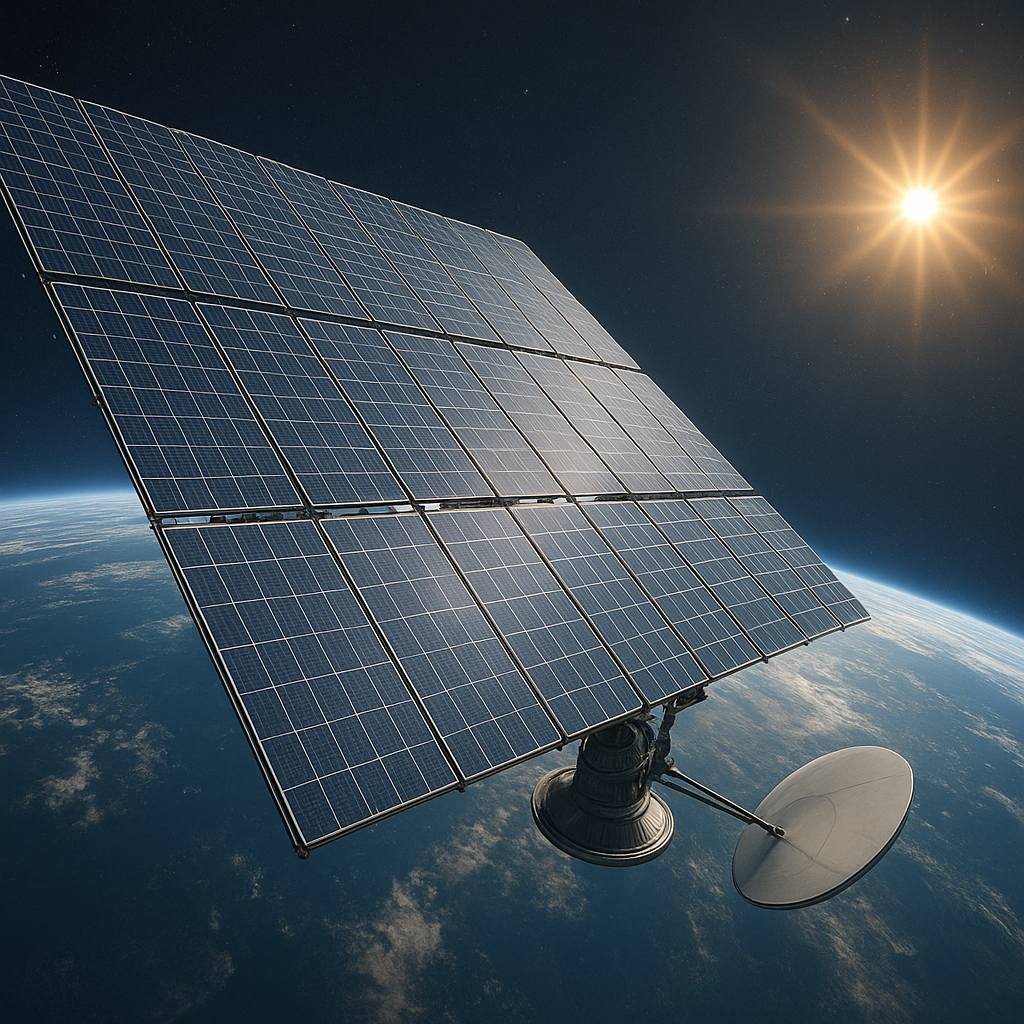
At the heart of this concept lies the idea of positioning enormous solar panels on satellites in geostationary orbit, roughly 36,000 kilometers above the equator, where they receive constant sunlight. Unlike terrestrial systems that suffer from diurnal cycles and weather variability, orbiting collectors can operate with near-100% availability. These platforms would convert solar radiation into electrical power with high-efficiency photovoltaic cells or concentrator systems, then transform the electricity into a microwave or laser beam for transmission to Earth.
Fundamental Principles
- Solar harvesting: Using advanced PV cells or concentrating mirrors to maximize energy capture.
- Conversion: Efficiently turning DC power into a focused electromagnetic beam.
- Beaming: Transmitting energy through the atmosphere with minimal losses.
- Reception: Ground-based rectifying antennas (rectennas) convert the beam back into usable electricity.
Designers must optimize each stage to minimize inefficiencies that can drastically reduce net power output. Even minor gains in efficiency at any phase—harvesting, transmission, or reception—can translate into gigawatts of additional available energy.
Technical Challenges and Innovations
Building and operating a network of solar power satellites calls for unprecedented infrastructure development in space. Challenges range from the sheer mass of the structures to the reliability of long-duration operations in harsh radiation environments.
Launch and Assembly
Launching thousands of tons of equipment into orbit remains prohibitively expensive with current rockets. Solutions under exploration include:
- Reusable launch vehicles to reduce cost per kilogram.
- In-orbit manufacturing: Using robotic 3D printers to transform raw materials into large structural components.
- Modular design: Prefabricated segments that can be assembled by autonomous spacecraft or astronaut crews.
Energy Conversion and Thermal Management
High-power solar arrays generate intense heat, and dissipating excess energy in vacuum requires robust thermal radiators. Innovations include:
- Advanced heat pipes and phase-change materials to shuttle thermal loads.
- Deployable radiator panels with high-emissivity coatings.
- Smart thermal control systems that balance sunlight absorption and infrared emission.
Wireless Power Transmission
Beaming gigawatts of power across tens of thousands of kilometers demands precise beamforming techniques. Key areas of research:
- Phased-array antennas to steer microwave beams dynamically.
- Laser-based systems offering narrower beams but requiring clear atmospheric conditions.
- Adaptive control algorithms to maintain beam alignment despite satellite drift and atmospheric refraction.
Economic, Environmental, and Policy Implications
Beyond technical feasibility, space-based solar power must prove economically competitive and environmentally responsible to gain global acceptance.
Cost-Benefit Analysis
Initial investments will be substantial, but long-term returns include:
- Steady revenue from continuous power delivery to utilities.
- Savings on Earth-based infrastructure and land use.
- Potential carbon credits for displacing fossil fuel generation.
Scaling up may reduce unit costs as manufacturing and launch techniques mature. International partnerships could spread costs and benefits across multiple nations, fostering cooperation.
Environmental Considerations
Space-based systems offer a path to sustainability without large terrestrial footprints. However, concerns include:
- Impact of microwave beams on wildlife and commercial aviation.
- Space debris generated during construction and maintenance.
- Resource extraction for satellite components.
Mitigation strategies involve strict beam safety protocols, active debris removal tactics, and responsible sourcing of materials.
Regulatory and Policy Framework
Delivering energy from space intersects with international treaties on outer space, spectrum allocation, and environmental protection. Essential policy actions:
- Establishing clear licensing regimes for orbital power platforms.
- Allocating frequency bands for high-power transmissions.
- Creating liability frameworks for accidents or unintended interference.
Collaborative regulatory bodies can help harmonize standards and foster innovation without compromising safety.
Future Outlook and Synergies
As the space industry expands, space-based solar power could integrate with broader efforts in exploration and resource utilization. Synergies include:
Support for Deep Space Missions
Continuous power beamed from Earth orbit might fuel lunar bases or spacecraft traveling to Mars, reducing reliance on nuclear reactors or in-situ generation systems.
Space Resource Utilization
Mining asteroids or the Moon for in-situ manufacturing materials can lower launch mass from Earth, accelerating the deployment of massive solar arrays.
Advances in Robotics and AI
Autonomous robots equipped with machine learning algorithms could assemble and repair orbital platforms, further reducing human risk and cost.
Public Engagement and Education
Promoting awareness of space-based power’s potential can inspire the next generation of engineers, scientists, and policymakers to tackle global energy challenges.
By overcoming the technical, economic, and regulatory hurdles, space-based solar power could emerge as a cornerstone of a clean energy future, offering a limitless supply of electricity to support human civilization both on Earth and beyond.